Petrie Museum Curator Barbara Adams Finally Honoured by UCL

For nearly sixty years, one woman kept a museum in Bloomsbury from disappearing, and most visitors walking past the orange banner on Malet Place today have never heard her name. Barbara Adams joined the Petrie Museum of Egyptian and Sudanese Archaeology as an assistant in 1965, became assistant curator a decade later, and took over as curator in 1984, a post she held until 2001, the year before she died. UCL has now named her one of its 200 Faces of UCL, a bicentenary campaign built specifically to surface the staff and alumni whose work has been overlooked in favour of bigger names.
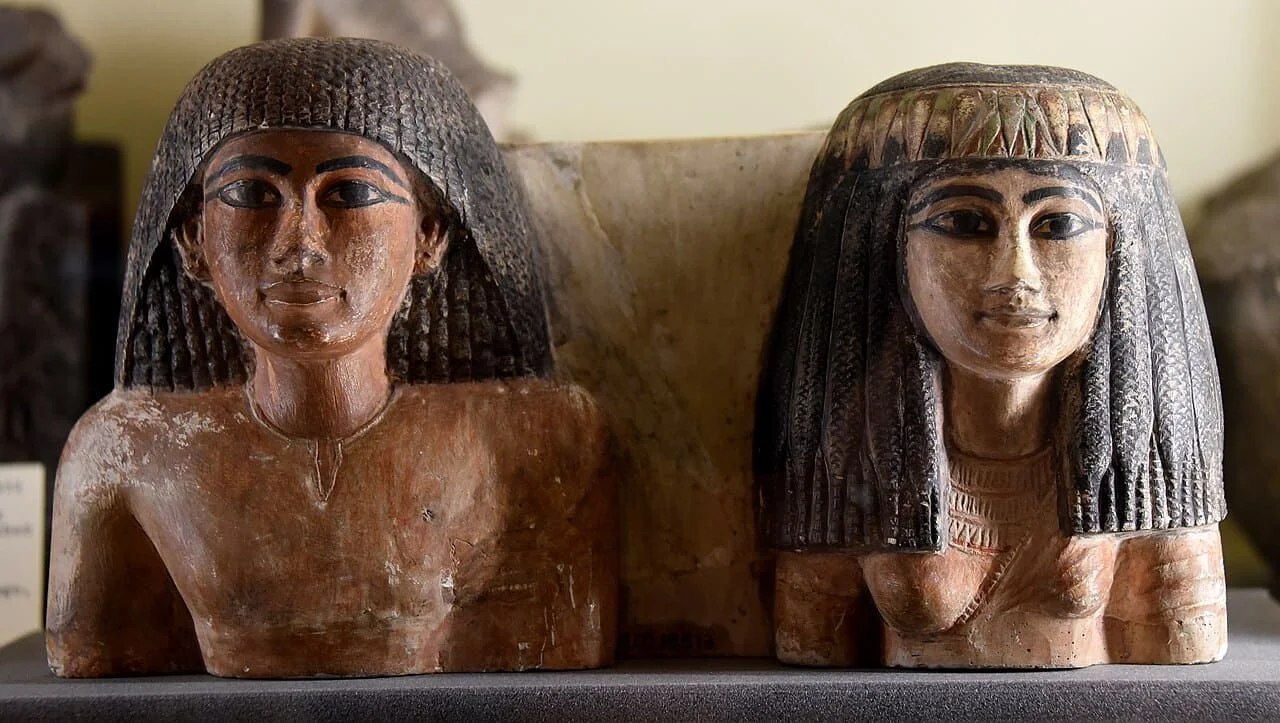
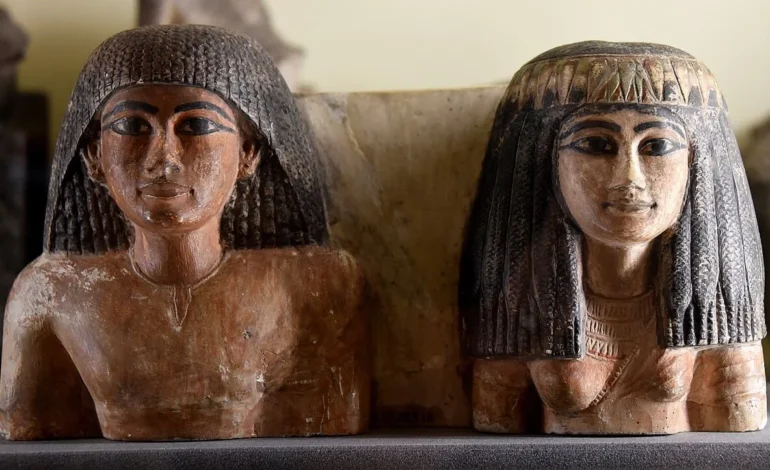
The museum she ran for seventeen years is named after Flinders Petrie, celebrated as the father of modern archaeology, and its founding endowment came from the writer and traveller Amelia Edwards. Adams inherited a collection of more than 80,000 objects housed in a building that was, by UCL’s own account, in a state of disrepair, with an earlier bid for a new museum building already having collapsed. She founded the Friends of the Petrie Museum to fund the renovations the university would not, and built up the school visits and student teaching that eventually helped win the collection its Designation status, the UK government’s own recognition of a museum of outstanding importance.
None of that was a foregone conclusion in the 1980s. A museum that had spent most of its life as a teaching resource for UCL’s own Egyptology department, rarely open to anyone outside it, had to be argued into becoming a public institution, one school group and one Friend’s subscription at a time. Adams was the first woman to hold the Petrie curatorship, and the first curator in its history to run anything resembling a public engagement programme. The 20,000 annual visitors the museum now counts, and the free, no-booking public access it still offers, trace back directly to those decisions.
What UCL’s tribute does not dwell on is the harder question the museum Adams built is currently sitting with. Around 4,000 of the Petrie’s 80,000 objects come from Sudan, most never collected by Petrie himself, who did not travel south of Aswan, but acquired through other channels after his death. Much of that Sudanese material has spent decades in storage, tucked in among the far larger Egyptian collection when it makes it onto display at all. Catriona Wilson, the museum’s Head of Collections, has described the plan now underway: reassess the Sudanese holdings with input from community partners, and redisplay them in 2026. Wilson has put the question that sits behind that plan plainly, asking how a museum that has kept professional ties to the Sudan National Museum in Khartoum since the 1950s should talk about the fact that so much of that country’s material heritage is stored in Bloomsbury rather than Khartoum, and how it might be shared better.
The Petrie’s own answer, for now, is public access rather than restitution: a knowledge exchange programme called Sudan Living Cultures, running since 2024, has commissioned Sudanese and Sudanese diaspora artists to create new work responding to the collection, partly in response to the war in Sudan and the destruction of cultural heritage it has caused. It is a different kind of answer to the one Adams gave in the 1980s, when the argument was about whether the Petrie should be open to the public at all rather than who that public should include and on what terms, but it grows from the same basic instinct, that a collection kept behind closed doors serves nobody, least of all the people whose history it holds.
That instinct is precisely what UCL’s Faces of UCL campaign is trying to credit by name. Adams appears in this year’s cohort alongside the astrophysicist Jocelyn Bell Burnell, the reproductive biologist Anne McLaren, and the Bletchley codebreaker Mavis Batey, women UCL itself describes as its unsung heroes standing alongside its more famous names. For a woman who spent six decades making sure other people could walk into a museum for free and see what she had spent her career cataloguing, it is a fittingly public kind of recognition, delivered two and a half decades after she left the job.
Image: Osama Shukir Muhammed Amin FRCP(Glasg)
For more London arts and culture, visit EyeOnLondon at eye-on-london.com
Follow us on:



Subscribe to our YouTube channel for the latest videos and updates!

We value your thoughts! Share your feedback and help us make EyeOnLondon even better!