Victorian bee collector’s mistakes help reveal a bumblebee’s genetic collapse


Eleven times between 1890 and 1903, a collector named A.J. Chitty pinned a bumblebee, labelled it a moss carder bee, and donated it to what is now the Oxford University Museum of Natural History. He was wrong every time. Scientists sequencing the DNA of that specimen more than a century later found he had actually been collecting a close relative, Bombus pascuorum, the common carder bee, an insect that even trained entomologists still confuse with its rarer cousin today.
That single misidentified Victorian collection turns out to be a footnote to a much larger story. Researchers at the Natural History Museum, working with Trinity College Dublin, Imperial College London and four other British collections, have used whole genome sequencing on 101 correctly identified moss carder bumblebee specimens, collected between 1894 and 2019, to measure exactly how much genetic diversity the species has lost as its habitat has shrunk. The answer, published this month in Molecular Biology and Evolution, is close to a quarter of its genetic diversity gone in a century, and the researchers themselves describe the pace of that loss as unexpectedly high.
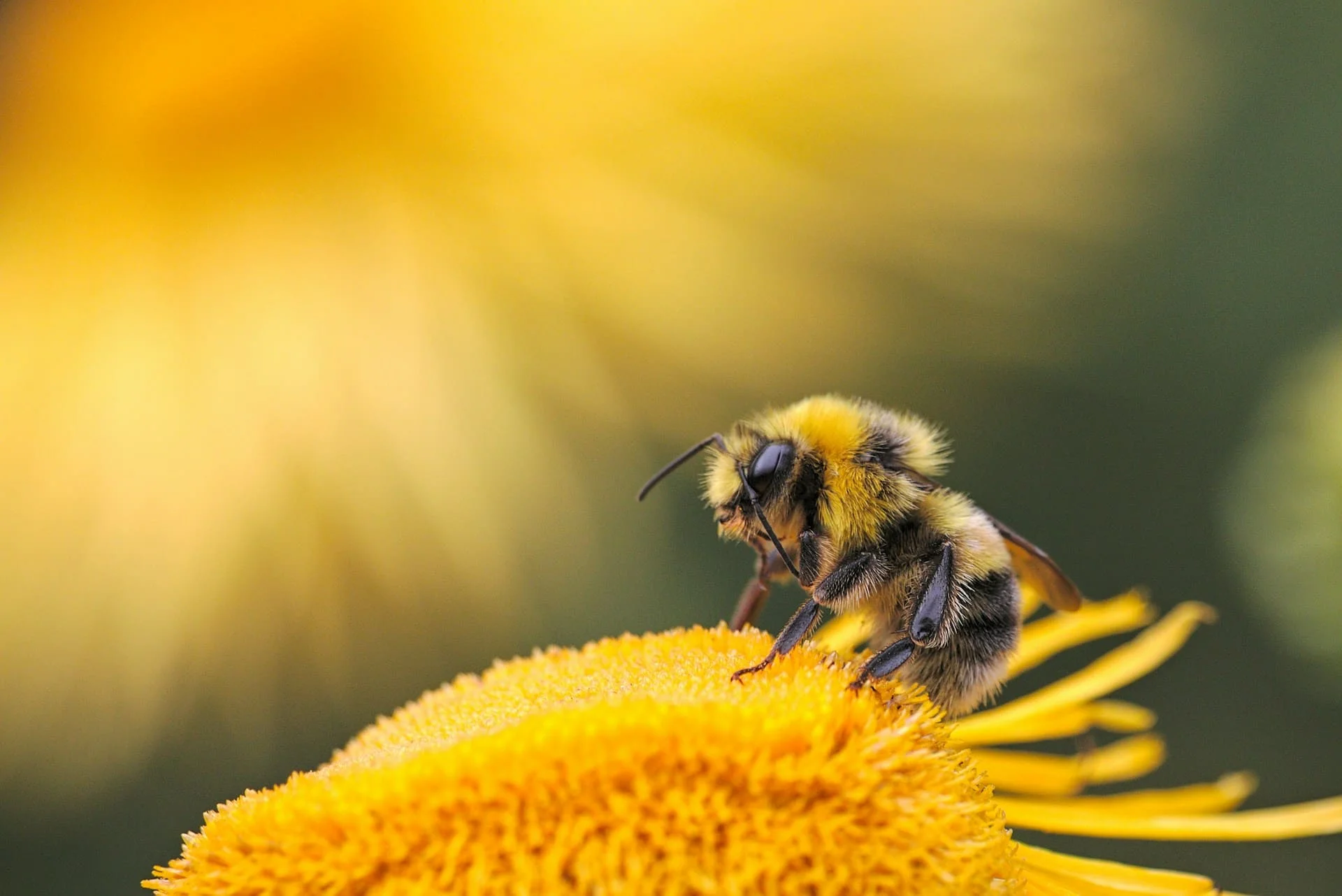
The moss carder bumblebee once bred across flower-rich meadows, marshes and heathland throughout the UK. Wetland drainage, the loss of hay meadows and pesticide use have since pushed it into isolated pockets along the coasts and islands. As those populations shrink and stop mixing with one another, individuals become more closely related to their neighbours than they once were, a genetic narrowing that leaves a species with fewer tools to cope with disease, pollution or a changing climate.
The scale of that narrowing, once measured directly in the bees’ DNA, was stark. Genome-wide heterozygosity, the standard measure of genetic diversity, fell by around 24.6% across Britain as a whole between the earliest specimens in the study and the most recent. In England and Wales specifically, where the moss carder bee’s habitat has fragmented most severely, the proportion of the genome affected by inbreeding rose nearly three-fold over the same period, a direct genetic signature of populations that have become smaller and more cut off from one another.
Scotland tells a different story. Populations there also appear to be declining, but the genetic damage is far less pronounced, and the researchers suggest this is because Highland and island habitats still allow bees from different areas to mix. Dr Victoria Mullin of Trinity College Dublin, who co-authored the study, said the findings confirmed what researchers had suspected for some time, and compared a bee’s genome to a toolkit, one that now leaves these bees with fewer options for adapting to environmental pressure.
None of this would have been measurable without the specimens sitting in drawers across five British museums, the Natural History Museum, the Oxford University Museum of Natural History, Tullie in Carlisle, the World Museum in Liverpool and National Museums Scotland, some of them collected well over a hundred years before anyone thought to extract DNA from a single bee leg. Professor Ian Barnes of the Natural History Museum, the study’s other co-author, said the museum holds around 30 million insects, with millions more in other UK collections, providing the scale needed to answer pressing questions.
That scale, though, is exactly what allowed the study to catch its own error rate. Cross-checking every specimen’s DNA against a newly published moss carder bee reference genome revealed that 29 of the 130 bees originally sampled, more than one in five, had been wrongly identified as moss carder bumblebees when they actually belonged to two close relatives. It is a problem the researchers link to the sheer difficulty of telling Britain’s three all-brown bumblebee species apart by eye, even for experienced collectors, and it means correcting museum catalogue data is now itself a research output, useful well beyond this one study.
Habitat restoration and translocation, physically moving bees from genetically healthier Scottish populations into England and Wales, are both floated in the paper as possible routes to recovery. But the researchers are direct about the order of operations: introducing new bees into a population without first fixing the habitat loss driving the decline would do little beyond delaying an outcome that is otherwise clearly signalled in the data.
For more, visit EyeOnLondon at eye-on-london.com
Follow us on:



Subscribe to our YouTube channel for the latest videos and updates!

We value your thoughts! Share your feedback and help us make EyeOnLondon even better!