Bigger cars are reducing residential parking as average vehicle size grows

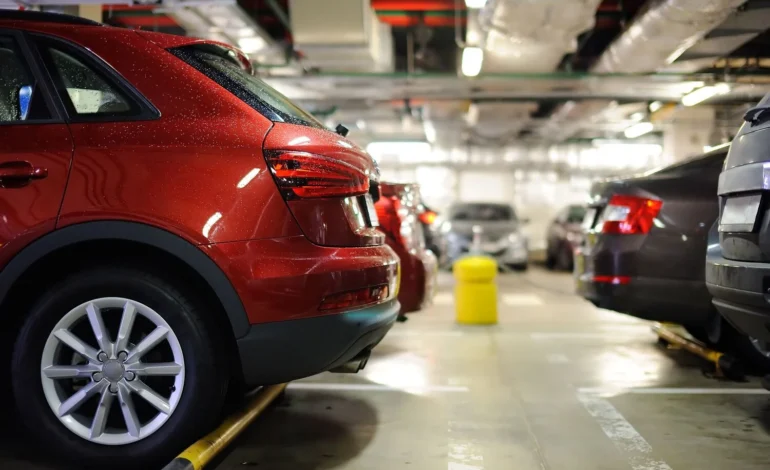
Finding a parking space on a residential street has become harder over the past two decades, and new analysis suggests the growing size of modern cars is one of the reasons why. Research from automotive data specialist Vehicle Data Global (VDG) found that the average vehicle now occupies 8.61 square metres, up from 7.67 square metres in 2006. That increase of almost one square metre means a typical 200-metre residential street has room for around four fewer parked cars than it did 20 years ago.
VDG analysed 43.9 million vehicle registrations, excluding vans, and says the increase in average vehicle size has accelerated during the past decade. The average car occupies 0.64 square metres more space than in 2016, with overall growth of 12.3% since 2006.
The trend extends beyond the rise in SUV ownership. Several long-running family and supermini models have also become noticeably larger over successive generations. According to the analysis, the Vauxhall Corsa has increased its footprint from 6.01 square metres in 1995 to 7.17 square metres today, while the Ford Focus has grown from 7.07 square metres in 1998 to 8.02 square metres. The Volkswagen Golf has also expanded from 6.81 square metres in 1995 to 7.66 square metres.
Parking pressures are likely to be felt most in areas without private driveways. VDG notes that 32% of households in England have no off-street parking, leaving many residents dependent on kerbside spaces.
The study estimates that a residential street with parking on both sides would now lose one in every 22 on-street parking spaces because of the increased average vehicle length. On a typical 5.5-metre-wide road, the remaining space for moving traffic has narrowed from around 1.89 metres in 2006 to 1.64 metres today.
The research also highlights wider changes affecting Britain’s roads. There are now 5.7 million more registered cars than there were in 2006, while average van dimensions have also increased. VDG says the average van now measures 5.3 metres long, compared with 4.9 metres in 2006, with a footprint of 11.3 square metres.
The findings come alongside continuing debate over parking availability, neighbourhood disputes and changing planning policies as vehicle ownership grows.
The full analysis was produced by Vehicle Data Global, drawing on its historical vehicle dimensions database. Supporting background data referenced in the report includes figures from the Department for Transport, the RAC Foundation, the AA and Rightmove.
Explore more transport, infrastructure and motoring news at EyeOnLondon.
Follow us on:



Subscribe to our YouTube channel for the latest videos and updates!

We value your thoughts! Share your feedback and help us make EyeOnLondon even better!