Study proposes future NASA moon base should quarantine space samples before they reach Earth

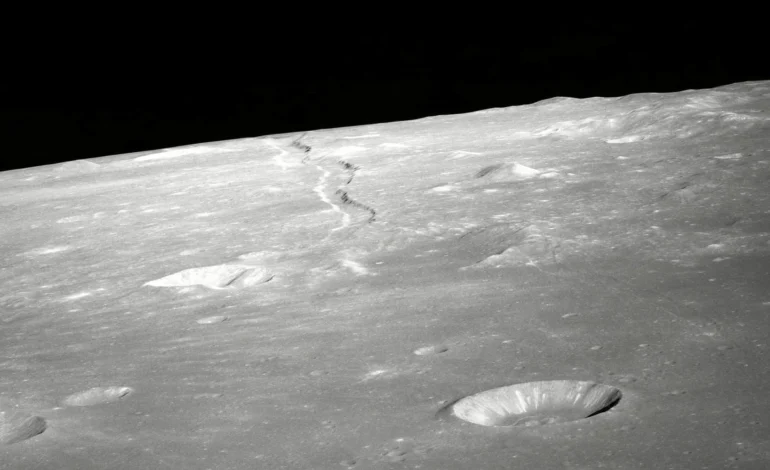
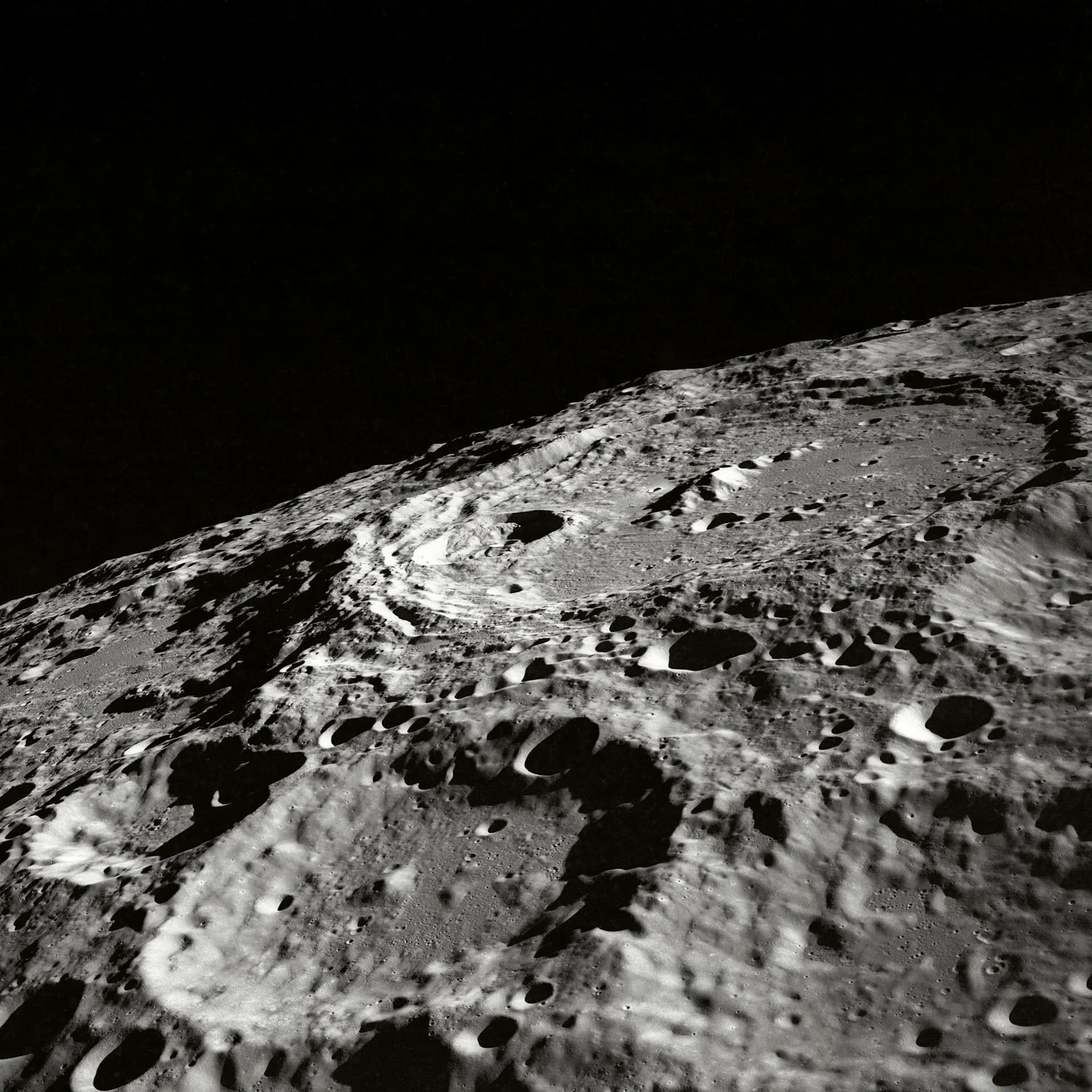
Scientists have proposed that a future NASA base on the Moon could play a key role in protecting Earth by acting as the first quarantine point for material returned from space.
The proposal comes from a new policy paper published in the journal Ambio, where researchers argue that samples collected from the Moon, Mars, and other areas in the Solar System should be examined in a dedicated biocontainment facility on the lunar surface before being transported to Earth.
Rather than bringing extraterrestrial material directly back to laboratories on Earth, the researchers suggest that a specialised quarantine centre on the Moon would allow scientists to study samples while reducing the risk of exposing Earth’s environment to any unknown biological material.
Under the proposal, samples would be handled entirely by advanced robotic systems inside the lunar facility. Keeping people away from the material at this stage would minimise the possibility of accidental human exposure while allowing detailed scientific analysis to take place.
Although no evidence of extraterrestrial life has ever been found, the researchers argue that any future discovery would involve biological systems unlike anything known on Earth. Because of that uncertainty, they say it is impossible to predict how an unfamiliar organism might behave if it entered Earth’s ecosystems.
The paper points to the history of invasive species as an example of how introducing new forms of life into unfamiliar environments can have significant ecological consequences, even when those introductions initially appear minor.
The researchers say these questions are becoming increasingly important as space exploration accelerates. Government space agencies and private aerospace companies are expanding missions beyond Earth’s orbit, creating what they describe as a more complex environment for future sample-return missions.
According to the study, stronger biosafety planning should develop alongside these programmes rather than after they begin returning material to Earth.
The paper also considers a number of worst-case scenarios, including spacecraft accidents involving returned samples or astronauts who may have been exposed to extraterrestrial environments. The authors argue that no existing Earth-based facility can guarantee complete containment or elimination of an unknown alien microorganism if an accident were to occur.
Instead, they suggest that establishing quarantine procedures on the Moon could provide an additional layer of protection while allowing researchers to continue studying material collected during future missions.
The authors conclude that confirming life beyond Earth would represent one of humanity’s most significant scientific discoveries. They argue that preparing robust biological safeguards before any such discovery reaches Earth should be treated as an equally important part of future exploration.
For more science and space exploration news, follow EyeOnLondon.
Follow us on:



Subscribe to our YouTube channel for the latest videos and updates!

We value your thoughts! Share your feedback and help us make EyeOnLondon even better!