End-Triassic mass extinction linked to ancient wildfire cycle driven by fern growth

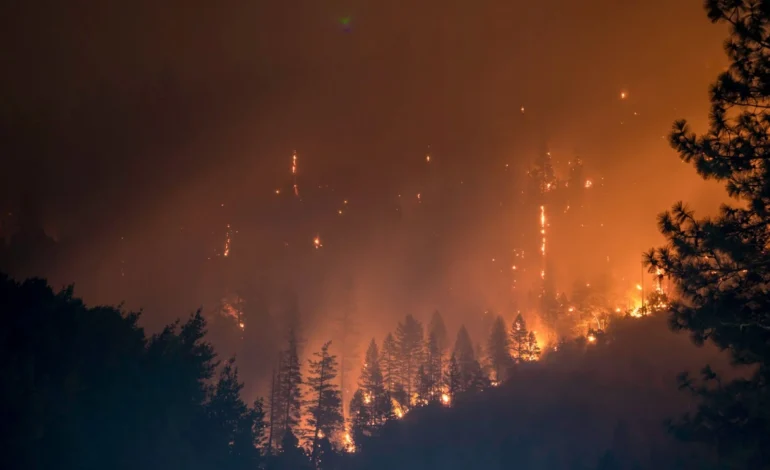
A prolonged cycle of wildfires may have intensified the environmental crisis that accompanied the End-Triassic mass extinction around 201 million years ago, according to new research led by geologists at Utrecht University.
The international study, published in Nature Geoscience on 21 July 2026, examined evidence preserved in sediments from four geological drill cores, including a recently recovered 640-metre core from the UK. The researchers found that an extended period of intense wildfire activity coincided with the collapse of forests and a major expansion of ferns.
The end-Triassic extinction occurred as massive volcanic eruptions accompanied the break-up of the supercontinent Pangea. The resulting release of carbon dioxide is thought to have driven global temperatures up by around 5 to 10°C, placing severe pressure on existing ecosystems.
As forests declined, ferns spread rapidly across the disturbed landscape. The new research suggests this change may have helped create conditions for repeated fires.
To reconstruct ancient wildfire activity, the scientists analysed fossil charcoal and polycyclic aromatic hydrocarbons (PAHs), chemical compounds associated with smoke. They also developed a new technique called the Palynomorph Darkness Index, which measures changes in the colour of fossilised pollen and spores.
The team carried out around 15,000 measurements. Fossils from the end-Triassic extinction interval became unusually dark compared with material from older and younger sediments. Because the same pattern appeared across all four cores despite their different geological histories, the researchers concluded that burial depth alone could not explain the change.
The darkening occurred alongside increased charcoal and PAHs and the period when fern spores became particularly abundant.
The researchers propose that the ferns helped create a feedback loop. Their ability to rapidly recolonise fire-damaged ground allowed them to dominate landscapes where forests had disappeared. Once dried, dense fern growth could then provide abundant fuel for further fires, allowing the cycle to repeat.
The fern-dominated phase lasted at least 40,000 years and may have continued for up to 300,000 years.
Want more science stories that put today’s environmental changes into a wider context? Follow EyeOnLondon for independent reporting on science, nature, technology, and the forces shaping our world.
Follow us on:



Subscribe to our YouTube channel for the latest videos and updates!

We value your thoughts! Share your feedback and help us make EyeOnLondon even better!