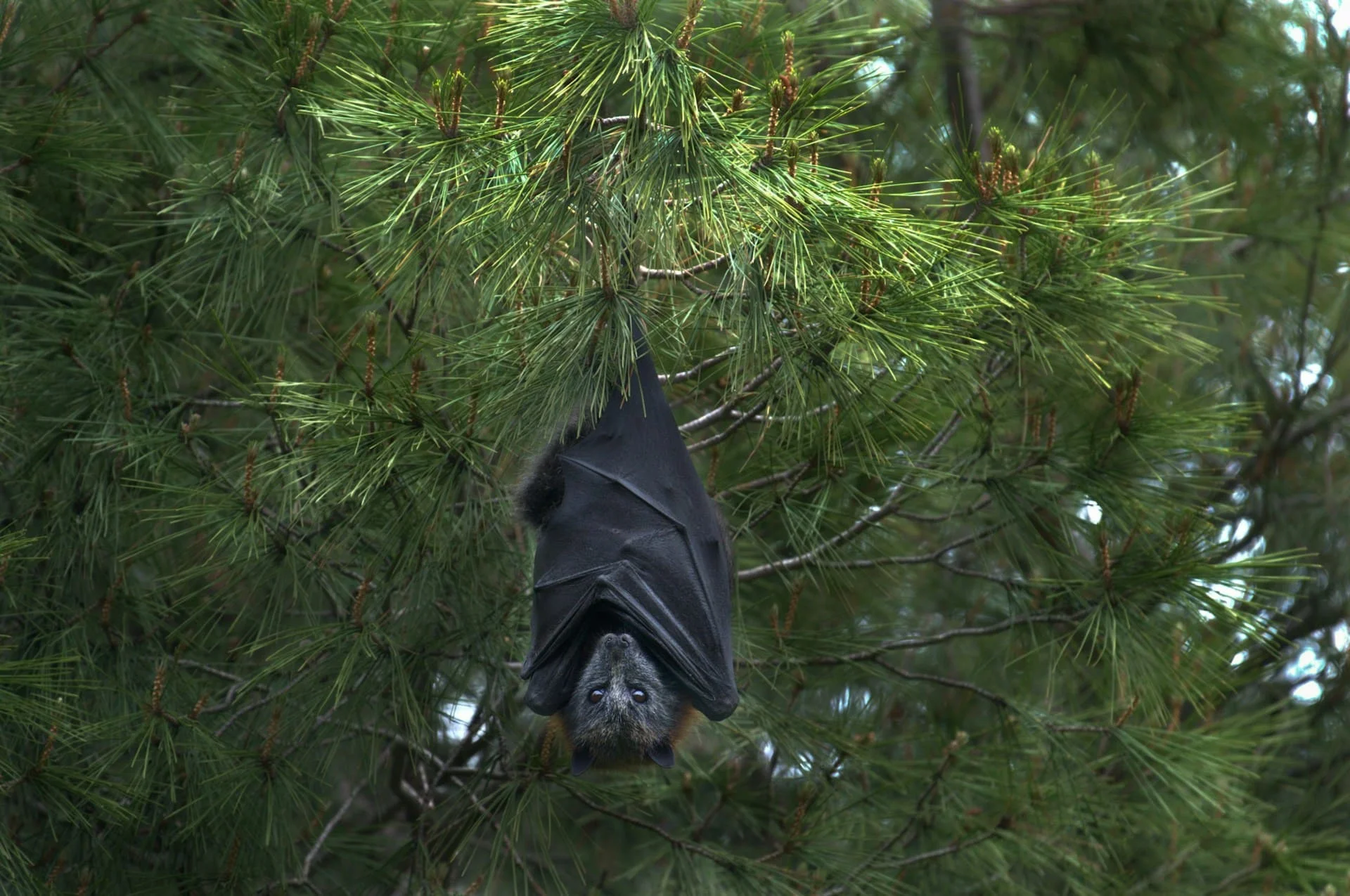
Bats May Have Originated in Europe, New Genetic and Fossil Study Finds

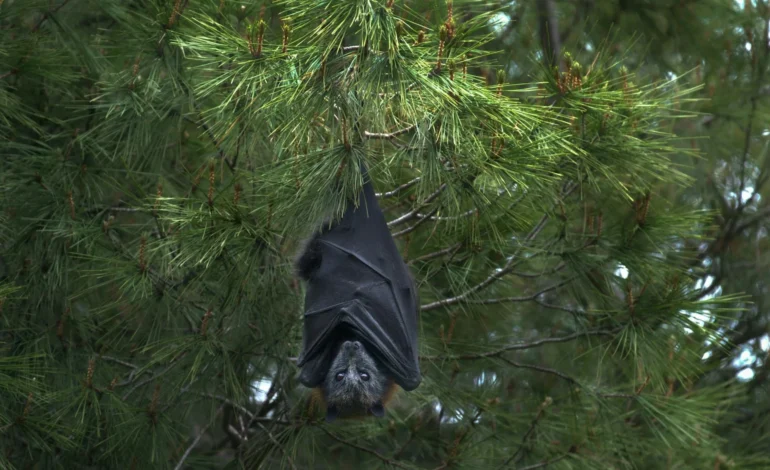
Bats may have first taken to the skies in Europe around 65 to 60 million years ago, according to a major international study combining hundreds of millions of years of evolutionary evidence with modern genomic data.
For decades, scientists have debated where bats originated, with Africa, Asia and North America among the regions proposed. The new research brings together genomes from every living bat family with fossil evidence to produce what researchers describe as a much clearer picture of bat evolution.
The study, published in Nature, involved 137 researchers from 64 countries through the Bat1K consortium, an international project working to sequence the genomes of all living bat species. Scientists analysed 103 bat genomes, including 42 newly generated chromosome-level assemblies, representing all 21 recognised bat families. They also incorporated evidence from 44 fossil bats.
The combined evidence points to Europe during the late Paleocene as the most likely birthplace of bats. From there, early bat lineages appear to have expanded into Africa before spreading into the Americas, Asia and Australia as they diversified.
The findings also shed light on when bats developed their defining abilities. Fossil evidence from Vielasia, which lies near the oldest branch of the bat family tree, suggests echolocation had emerged very early in bat evolution. The researchers also conclude that powered flight and echolocation probably appeared before the major modern bat groups diversified.
To strengthen the evolutionary picture, the team computationally reconstructed the genome of the common ancestor of all living bats. That resource could allow scientists to investigate the genetic changes behind flight, echolocation, unusually long lifespans and resistance to some diseases.
One particularly important clue came from the X chromosome. While different parts of bat genomes sometimes produced conflicting evolutionary signals, the X chromosome retained a clearer record of relationships between early bat lineages, helping researchers resolve disagreements that had persisted for decades.
The study represents years of international sample collection, including rare bats from remote parts of the world. Researchers say the resulting genomic resource provides a foundation for investigating how one of nature’s most unusual mammalian groups evolved.
For more, visit EyeOnLondon at eye-on-london.com
Follow us on:



Subscribe to our YouTube channel for the latest videos & updates!

We value your thoughts! Share your feedback and help us make EyeOnLondon even better!