Overheating in London homes due to climate change

The London Assembly has heard how Londoners are uniquely at a risk of overheating in their homes. This is due to how climate change affects densely built environment as well as an outdated planning system.
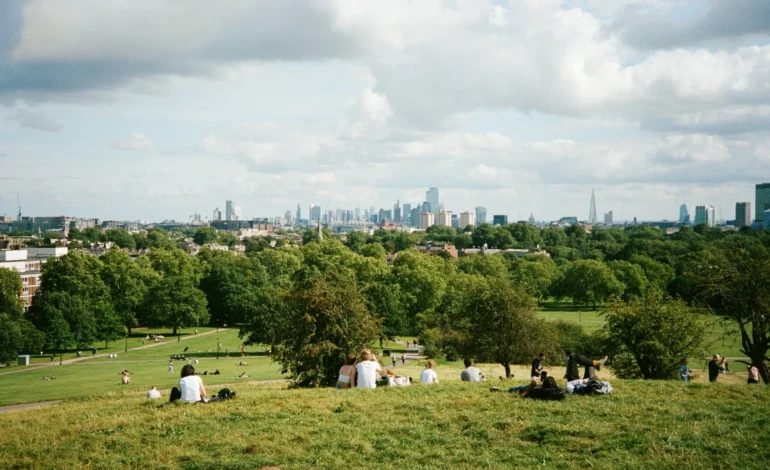
Extreme heat has become an ever-increasing problem in the capital. More than a tenth of the 3,271 heat-related deaths across the country in 2022 were in the capital says City Hall. The increasing density of buildings and roads, it said, is creasing an “urban heat island” effect.
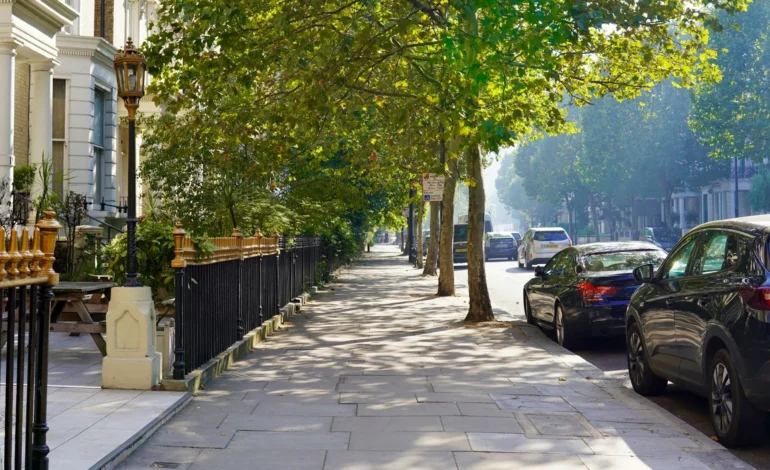
City Hall is currently working on drafting London’s Heat Risk Delivery Plan which could include “cool spaces” across the capital, as well as thousands of water refill points and plans to plant thousands of additional trees.
The London Assembly Planning and Regeneration Committee is also looking into how overheating is affecting the capital’s housing stock, who is at most risk of the effects of extreme heat, and what can be done to strengthen the resilience of homes in the capital against rising temperatures.
The London Plan currently encourages new developments to adopt “passive” cooling measures. These include trees, green roofs, and shading. “Active” measures would include air conditioning.
The 2021 London Plan says that the spread of active measures, including air conditioning systems is “not desirable as these have significant energy requirements and, under conventional operation, expel hot air, thereby adding to the urban heat island effect.”
Only a twentieth of households across the country, it found, have air conditioning units.
Stay tuned to EyeOnLondon for the latest news and expert opinions.
Follow us on:



Subscribe to our YouTube channel for the latest videos and updates!

We value your thoughts! Share your feedback and help us make EyeOnLondon even better!