Anthony Hopkins Debuts as Composer as the Takács Quartet Bids Farewell to Fejér

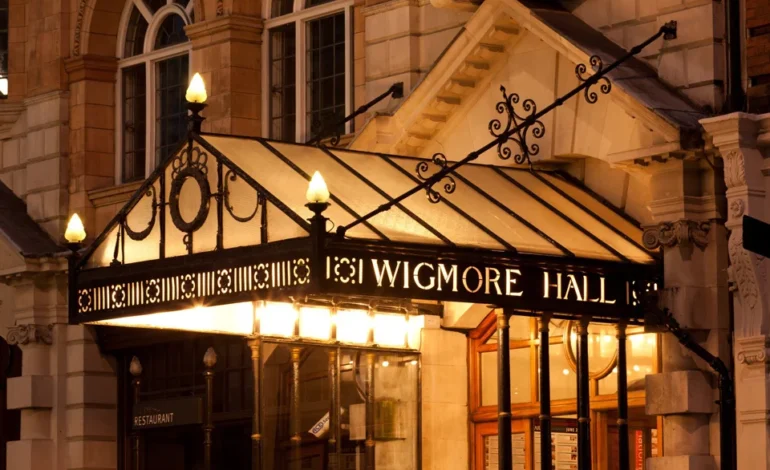
October’s recordings bring three BBC orchestras together in Copland and Ives, Anthony Hopkins to Decca as a composer, and the much-promoted young violinist Himari to Wieniawski. The Takács Quartet and Timothy Ridout turn to Mozart’s string quintets, a fitting final recording contribution from founding cellist András Fejér and, for Simon Mundy, the most satisfying disc of the four.
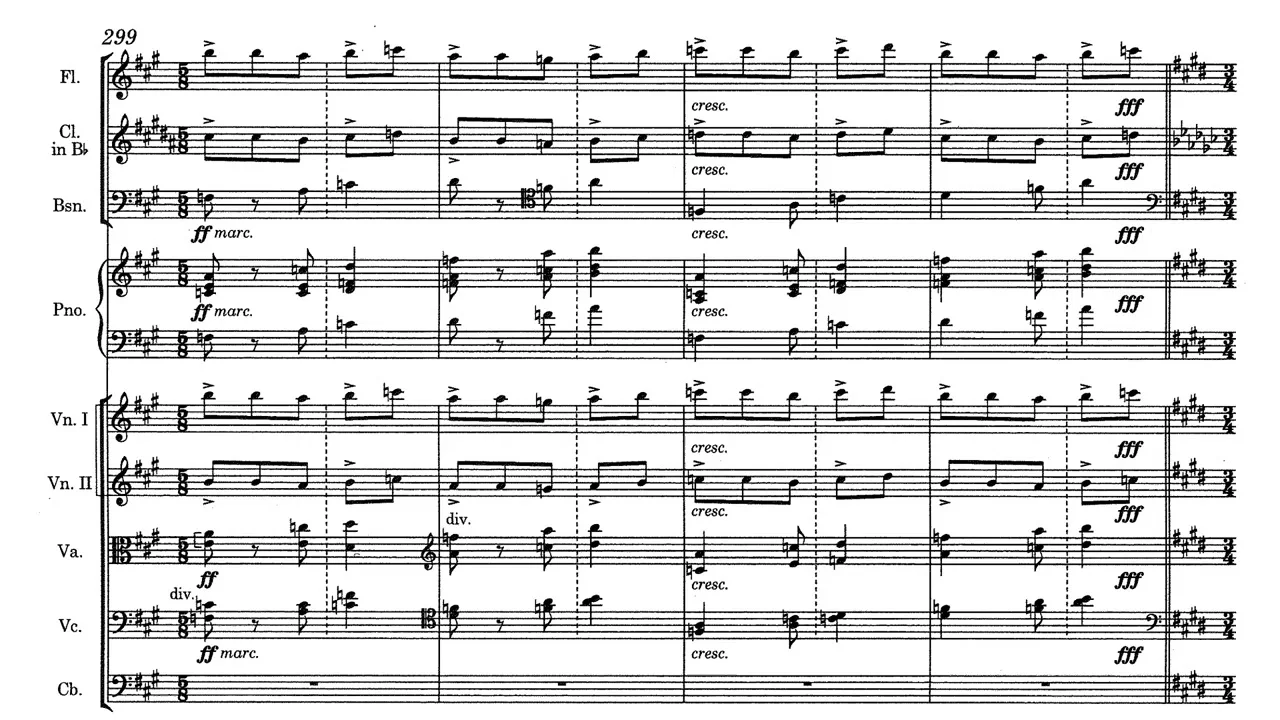
Copland, Ives
Copland — Quiet City*
Appalachian Spring Suite***
Ives — Three Places In New England**
(orchestral set No. 1)
Mark O’Keefe — Trumpet
James Horan — Cor anglais
BBC Scottish Symphony Orchestra*
BBC Philharmonic***
BBC National Orchestra of Wales**
Martin Brabbins* — Conductor
Joshua Wielerstein*** — Conductor
Ryan Bancroft** — Conductor
BBC Music Magazine Vol. 34 No. 13
Technically speaking this recording cannot be bought but actually it is part of October 2026’s BBC Music Magazine, glued to the front, as the CDs are each month. At a time when the BBC is under fire from so many political and commercial interests, and whole services and programme strands are being cut, I feel I have to draw attention to the importance of the BBC orchestras and Radio 3 to our nations’ culture. Here are three of the four regional symphony orchestras giving performances of 20th century classics that any orchestra (and recording company) in the world would be proud of, played in Glasgow City Halls, Salford Media City and Cardiff Hoddinott Hall respectively. All the works are beautifully measured, from the haunting solo trumpet of Quiet City, through the worried glimpses of New England’s history by Charles Ives, to the gentle opening of Appalachian Spring before the conflicts of the ballet resolve into its deeply tender ending. Bancroft’s reading of this is not quite as spell binding as Marin Alsop’s at this year’s BBC Proms, but it is a fine reminder of his time with BBC NOW, especially since it was made in the brief interlude between 2020’s Covid lockdowns, when getting the orchestra together again must have been important to all the players. What an extraordinary tradition the BBC has. Please stand up for it!
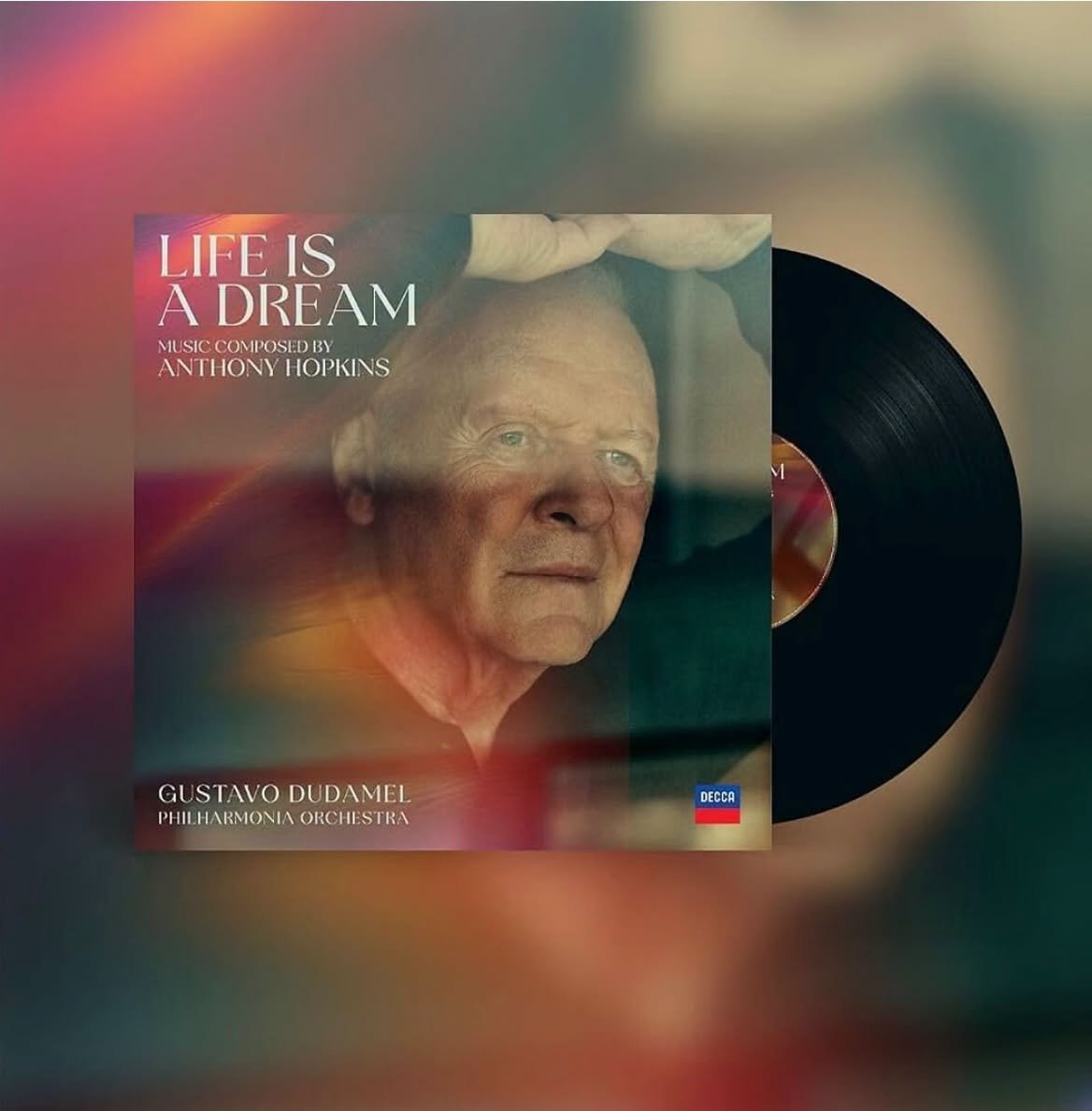
Anthony Hopkins
Life Is A Dream
1947: Suite for Piano and Orchestra
Two Pieces for Orchestra
Various shorter pieces
Sergio Tiempo — Piano
Grogorio Nieto — Cello
Bach Choir
Choristers Of Winchester Cathedral
Philharmonia Orchestra
Gustavo Dudomel — Conductor
Decca 487 2382
When Anthony Hopkins went to the Welsh College of Music and Drama it was the drama side that occupied him but the music was not ignored. He has remained an amateur composer but has written music for some of his films, particularly August (1994) as well as some concert pieces. Now, at 88, Decca have given him an equally starry cast for this selection. Much of the music itself is light and sentimental (and he does like waltz time) but thoroughly competent. It would be unfair to judge it with the same level of scrutiny as his acting. I suspect the short movements of the suites will make them perfect fare for Classic FM and give plenty of pleasure. The cello aria for his wife Stella in 1947 is lovely, as is the movement for his niece Tara that follows. The Two Pieces for Orchestra also use chorus and, written for a concert in Riyadh, have a bit more bite, though there is a hint of Albert Ketelbey as much as Rimsky-Korsakov. Perhaps more importantly, it should be an inspiration to those who want to write without trying to make music their profession. Sir Anthony is donating some of the proceeds to the United Nations Development Fund, for which he deserves extra plaudits.
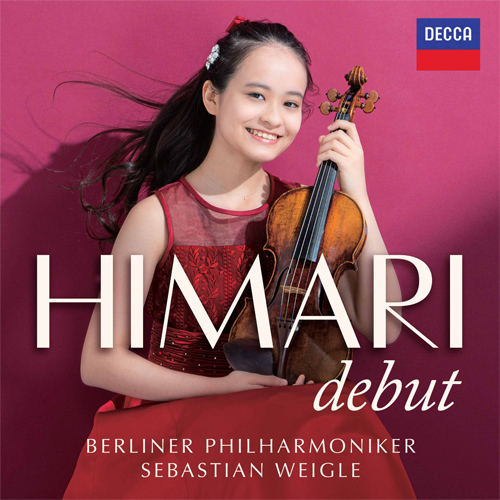
Wieniawski
Violin Concerto No. 1
Fantasia on Themes from Gounod’s Faust
Short pieces by Chopin, Sibelius and Godovsky
Himari Yoshimura — Violin
Chelsea Wang — Piano
Berlin Philharmonic Orchestra
Sebastian Wiegle — Conductor
Decca 487 2209
American-Japanese hype around a fifteen year-old violinist makes me wary instinctively, even more so when she is being marketed with only her first name and that in capital letters: HIMARI. Violinists do often appear early – Menuhin was only just in his teens when he recorded Elgar’s concerto with the composer in 1932 and the latest winner of the Enescu Competition is only 11. Nonetheless this disc is a little too cute. The recording, which places her very close, does her few favours; making her tone with the orchestra rougher than I suspect it would have sounded in the concert hall at the live performance from which it was taken. Henryk Wieniawski was also a teenager when he wrote and performed his concerto, so the pairing of work and soloist makes sense. In the romantic salon pieces for violin and piano, Chelsea Wang’s accompanying is intelligently supportive. Himari Yoshimura is a fine player, and I suspect may grow into an impressive musician, but for me this debut album is just ankle deep in treacle.
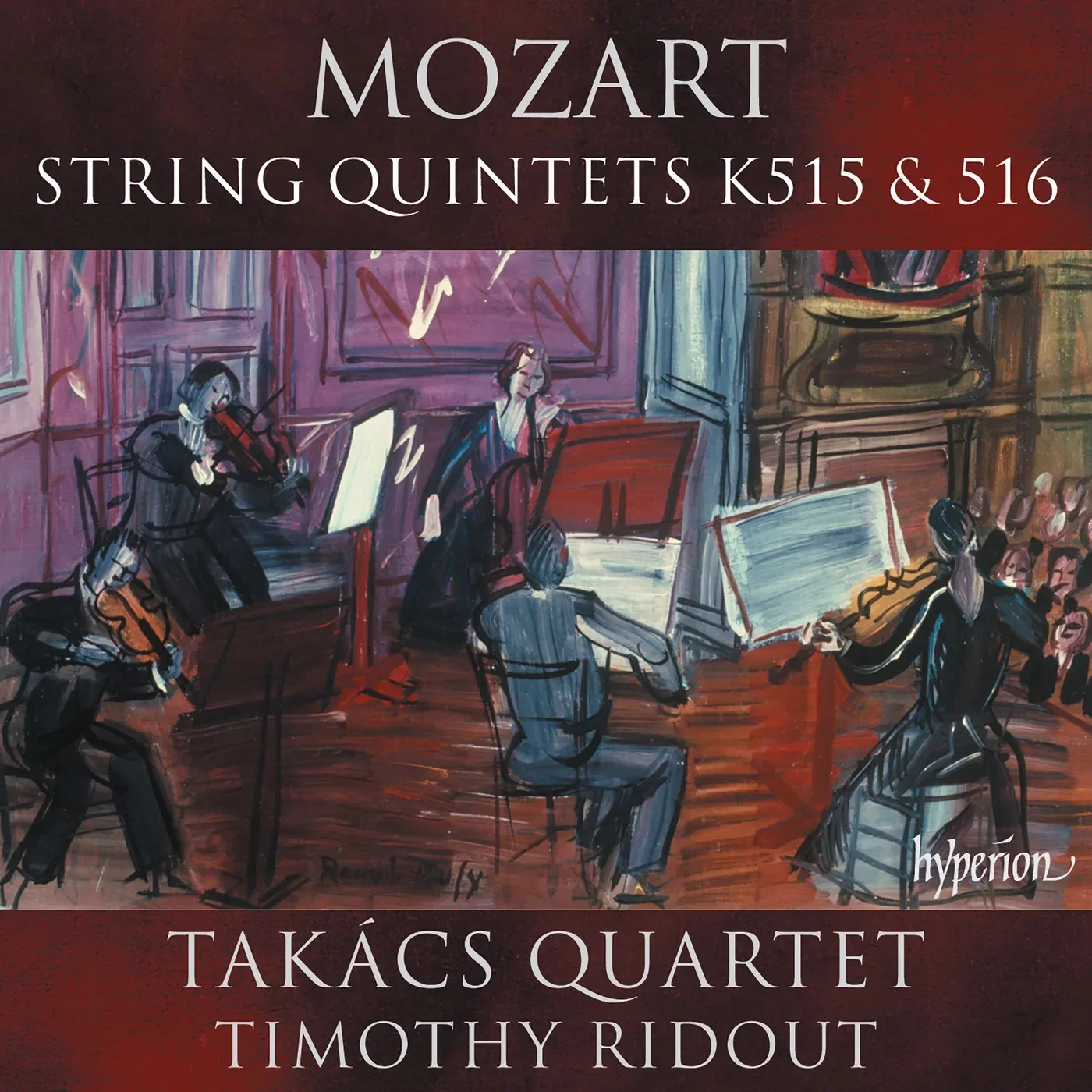
Mozart
String Quintets K515 & 516
Takacs Quartet
Timothy Ridout — Viola
Hyperion CDA68488
After being offered so many concept, tribute and short track albums, it is a relief to come back to a proper CD release: two of Mozart’s most satisfying works and no flummery. The string quintets were written when he was at his peak, after The Marriage of Figaro, and they have an expressive calm that suggests they were for salon rather than concert performance. The addition of an extra viola part (probably designed for Mozart himself to play and performed here by one of the best younger violists in the world) allows him to balance the violins and give the works an even greater sense of ensemble than in a quartet. These are not rhetorical works but explorations full of gentle wit and melody. The recording is a final contribution from the Takacs Quartet’s cellist, Andras Fejer, who founded the ensemble 51 years ago and is the last of the original members. In that half century the quality of the quartet has never dropped, whoever joined. It is comparably rare for a quartet to survive a complete change of personnel but for the future the new cellist, Mihai Marica, should find the induction painless, though matching Fejer will be testing. It is hard to recommend this recording highly enough.
Four very different records this month, and EyeOnLondon will keep making the case for the BBC orchestras as long as it needs making.
For more London arts and culture, visit EyeOnLondon at eye-on-london.com.
Further Reading on EyeOnLondon
- Aigul Akhmetshina Turns Femme Fatale Cliché Into Real Drama on Mujer Fatal, Alongside New Mahler, McCabe and a Forgotten Giordano — Simon Mundy’s previous column, where he weighed a starry Decca signing’s debut against new work from less fashionable composers, the same instinct for separating genuine substance from marketing that drives his verdict on Himari’s debut here.
- Sir Adrian Boult and the Sound of an Orchestral Age — another EyeOnLondon classical review built around a recording’s historical weight, there Boult’s complete stereo legacy, here the Takács Quartet’s own 51-year arc closing with András Fejér’s final appearance on disc.
Follow us on:



Subscribe to our YouTube channel for the latest videos and updates!

We value your thoughts! Share your feedback and help us make EyeOnLondon even better!