CosmoCube Could Open a New Window on the Universe Before the First Stars

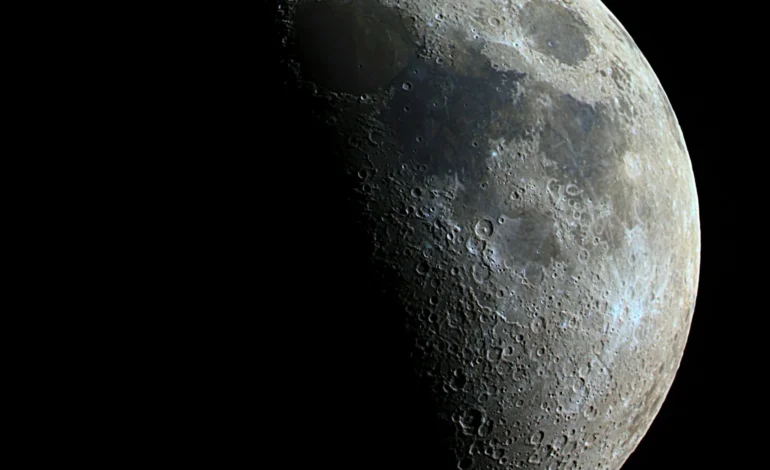
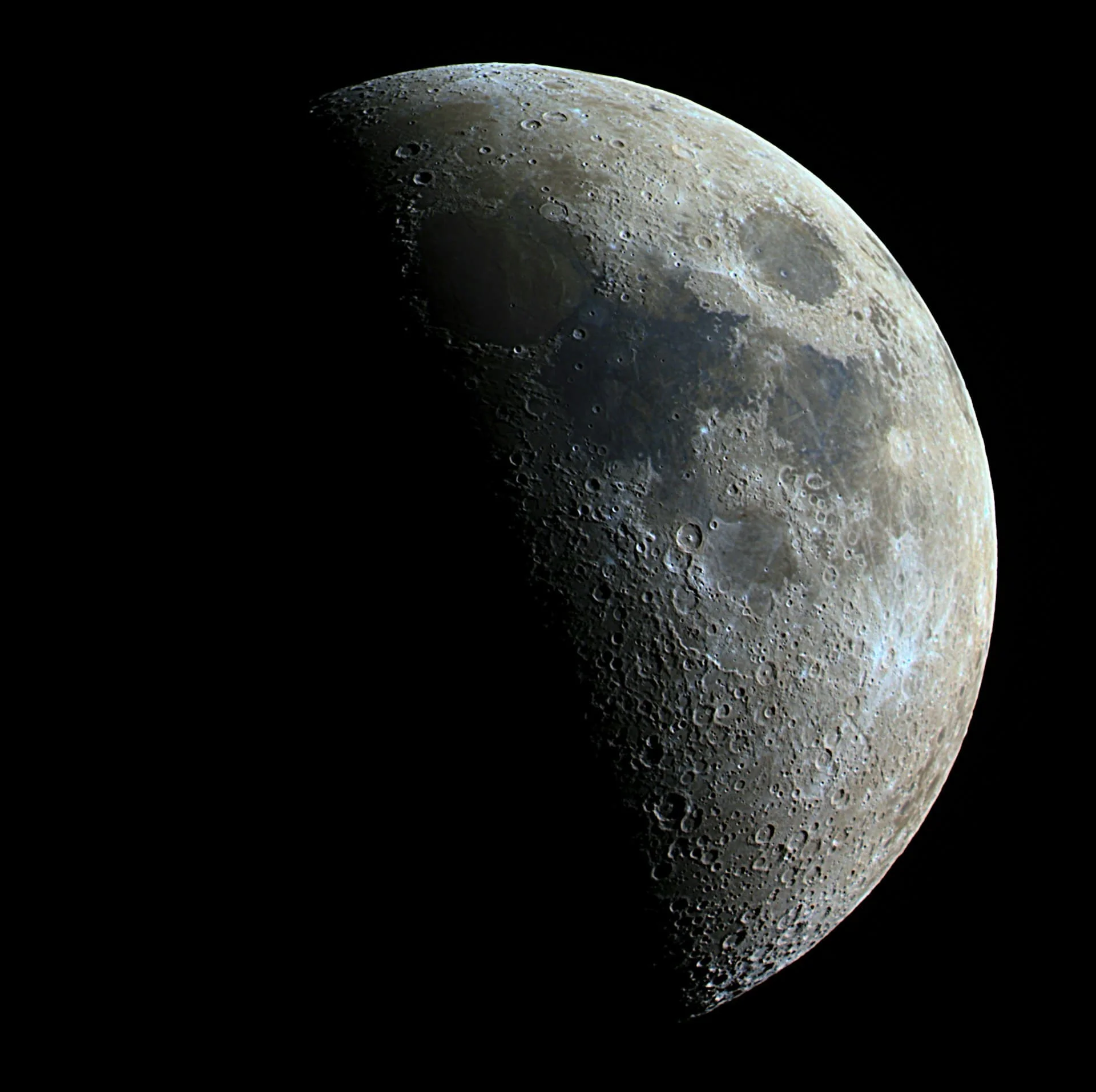
A small UK-built satellite could give scientists their clearest opportunity yet to study the universe during the mysterious period before the first stars began to shine. Called CosmoCube, the spacecraft is being developed by an international team led by the University of Cambridge. The mission would place the compact satellite in orbit around the Moon, using the lunar far side as a natural shield against radio interference from Earth.
Researchers want to detect the faint 21-centimetre hydrogen signal produced during the roughly 150 million years between the Big Bang’s afterglow and the beginning of Cosmic Dawn. This period, often described as the universe’s cosmic Dark Ages, has never been directly observed.
The signal carries information from more than 13.5 billion years ago, but detecting it from Earth is exceptionally difficult. The ionosphere blocks the relevant low-frequency radio waves, while human-made transmissions can overwhelm the extremely weak cosmic signal.
CosmoCube would target radio frequencies between 10 and 50 MHz. During each two-hour lunar orbit, the spacecraft could spend around 40 minutes behind the Moon, where the lunar body would shield it from Earth’s radio noise. Over a planned two-year mission, the team hopes to gather around 1,000 hours of observations.
The measurements could reveal how hydrogen behaved before the first stars formed and help researchers investigate the early influence of dark matter, whose gravity is thought to have helped draw matter together into the first cosmic structures.
The spacecraft will use a lightweight antenna and highly sensitive calibration technology to distinguish the cosmic signal from electronic noise generated by the satellite itself. Researchers will also use Bayesian statistical methods and computer modelling to remove interference from foreground sources, including our own galaxy.
The CosmoCube instrument is being developed with UK partners including the University of Portsmouth, STFC RAL Space and Surrey Space Technology Limited. The project has received support from the UK Space Agency, STFC and the Kavli Foundation, with researchers aiming for a possible launch within the next five years. The mission concept has been published in Nature Astronomy.
If successful, CosmoCube could show how a relatively small spacecraft can investigate one of the least explored chapters in cosmic history.
For more, visit EyeOnLondon at eye-on-london.com
Follow us on:



Subscribe to our YouTube channel for the latest videos & updates!

We value your thoughts! Share your feedback and help us make EyeOnLondon even better!