WASP-189b study offers new clue to how rocky planets form

Astronomers have found the first direct evidence that a planet orbiting another star shares a key chemical ratio with its host star, strengthening a long-standing theory about how planets form. The discovery, involving the scorching-hot exoplanet WASP-189b, could help researchers estimate the composition of distant rocky worlds as they search for planets that might support life.
Located around 320 light-years from Earth in the constellation Libra, WASP-189b is an ultra-hot Jupiter, a giant planet with temperatures high enough to vaporise elements normally associated with solid rock. These extreme conditions allow astronomers to detect substances such as magnesium and silicon in its atmosphere.
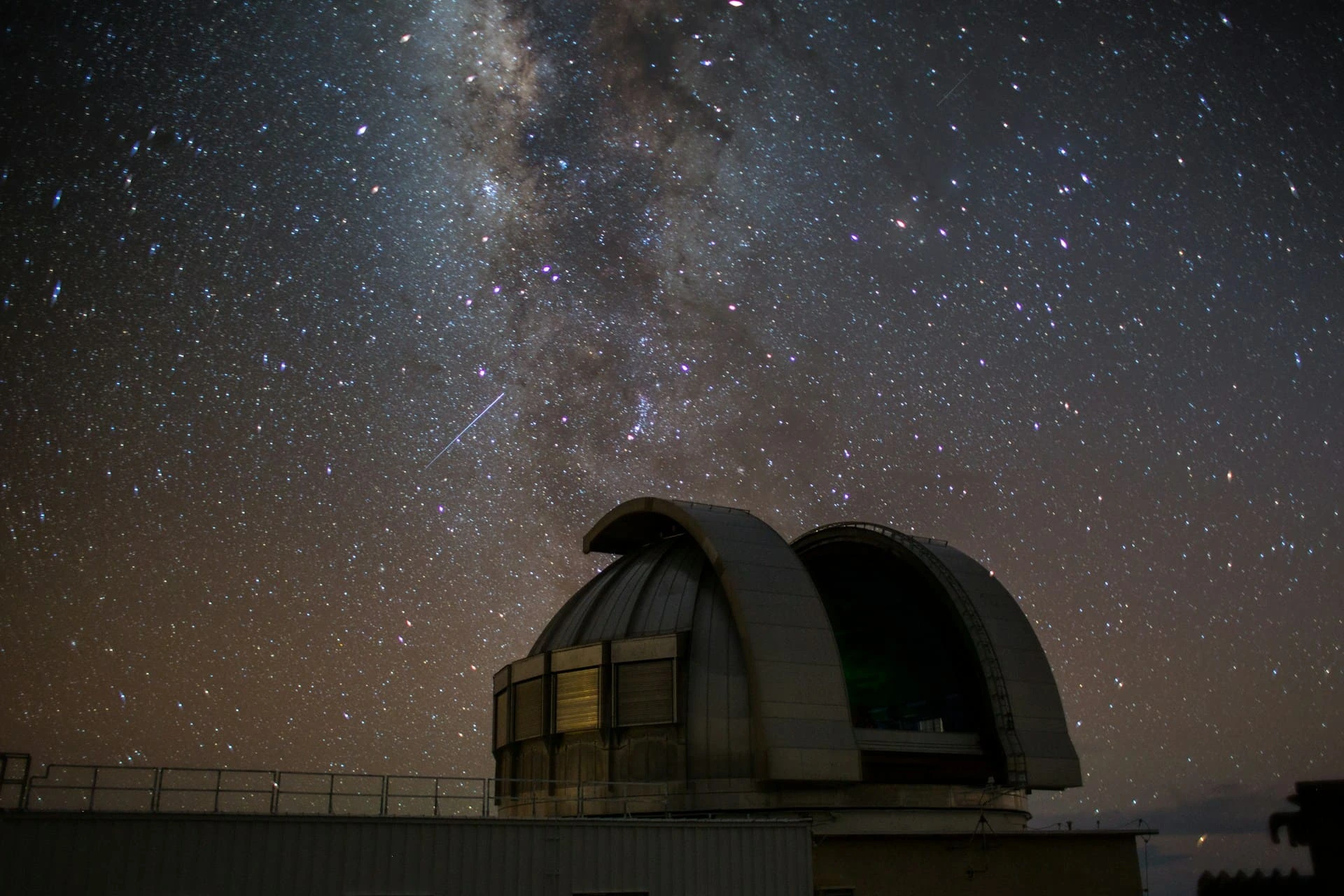
An international team led by Jorge Antonio Sanchez, a graduate student at Arizona State University, used the Immersion GRating INfrared Spectrograph (IGRINS) on the Gemini South telescope in Chile to measure both elements in the planet’s atmosphere simultaneously. Their findings showed that the ratio of magnesium to silicon closely matches that of the planet’s host star.
The research, reported by the Association of Universities for Research in Astronomy (AURA) on 13 October 2026, provides the first direct observational evidence supporting the assumption that stars and their planets share similar proportions of key rock-forming elements.
Planets develop from discs of gas and dust surrounding young stars. Because these materials originate from the same cloud, astronomers have long expected the chemical proportions in a star to reflect those available to the planets forming around it. Until now, however, this relationship had not been directly demonstrated through measurements of another star’s planet.
The finding could help scientists predict the ingredients of rocky exoplanets by studying their host stars. Magnesium and silicon are important building blocks of planetary interiors, influencing their structure and geological development.
These characteristics matter when assessing whether a world might offer conditions suitable for life. Geological processes, including the movement of chemicals between a planet’s interior and surface, can help shape its long-term environment.
Michael Line, an associate professor at Arizona State University and co-author of the study, said high-resolution ground-based instruments can measure important elements in exoplanet atmospheres with the precision needed to investigate planetary composition.
WASP-189b itself is far too hot to be considered a likely habitable world. Its importance lies in what its chemistry reveals about planet formation. Future observations could extend the technique to more elements, helping astronomers build a clearer picture of rocky planets beyond our Solar System.
For more, visit EyeOnLondon at eye-on-london.com
Follow us on:



Subscribe to our YouTube channel for the latest videos & updates!

We value your thoughts! Share your feedback and help us make EyeOnLondon even better!