Scientists identify seven stages in a meteorite journey to Earth

Scientists have identified seven distinct stages that explain how space rocks survive their journey through Earth’s atmosphere, shedding new light on how a meteorite loses mass, breaks apart, and eventually reaches the ground.
The research, published in Meteoritics & Planetary Science, analysed video recordings and photographs of 75 documented meteorite falls. The findings challenge the traditional understanding that incoming rocks are primarily worn away through evaporation caused by extreme atmospheric heat. Instead, melting followed by fragmentation plays a much greater role in determining their fate.
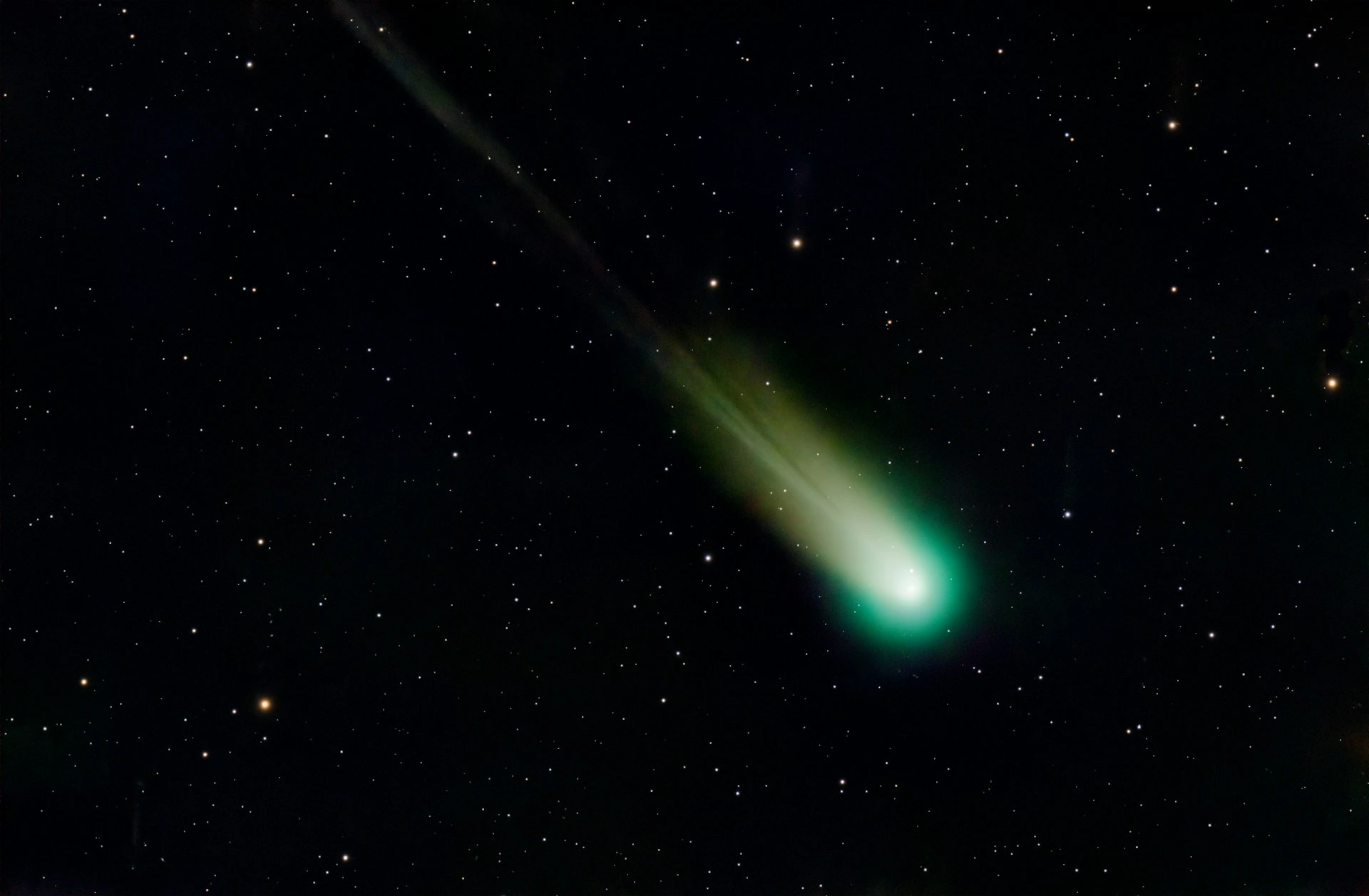
The study was led by Dr Peter Jenniskens, a meteor astronomer at the SETI Institute and NASA Ames Research Center. His team found that the process begins high above Earth, when an incoming space rock encounters increasingly dense air. The resulting shock wave heats the surrounding gas and the rock’s surface, producing the familiar streak of light known as a meteor.
As the object descends, it becomes increasingly bright, eventually developing into a fireball. During this stage, molten material is stripped from its surface, forming droplets that evaporate separately. Researchers estimate that melting alone can remove up to 40 per cent of the rock’s original mass.
The next major change occurs as atmospheric pressure begins to fracture the remaining material. Surprisingly, the researchers found that fragmentation can start when the pressure is only around one-fifth of the strength measured in meteorites recovered on Earth. Heating and cracks accumulated during the rock’s journey through space may help explain why it breaks apart so readily.
As fragments separate, the main object loses mass and slows down rapidly. Its shape also influences where smaller pieces land. An intact rear section can create a low-pressure wake, drawing fragments behind it and concentrating their eventual landing positions into a relatively narrow strip.
The sixth stage involves the final major breakup, producing a bright flash and scattering fragments. The surviving pieces then continue losing speed and material until they stop glowing. In the seventh and final stage, atmospheric winds influence their descent, while a dark outer coating called a fusion crust forms as they cool.
The findings could also improve understanding of larger asteroids. The researchers say objects responsible for powerful atmospheric explosions undergo similar processes, including the approximately 20-metre asteroid that exploded over Chelyabinsk, Russia, in 2013.
For more , visit EyeOnLondon at eye-on-london.com
Follow us on:



Subscribe to our YouTube channel for the latest videos & updates!

We value your thoughts! Share your feedback and help us make EyeOnLondon even better!