Bleached corals recover in seven weeks after contact with healthy clones, Stanford study finds


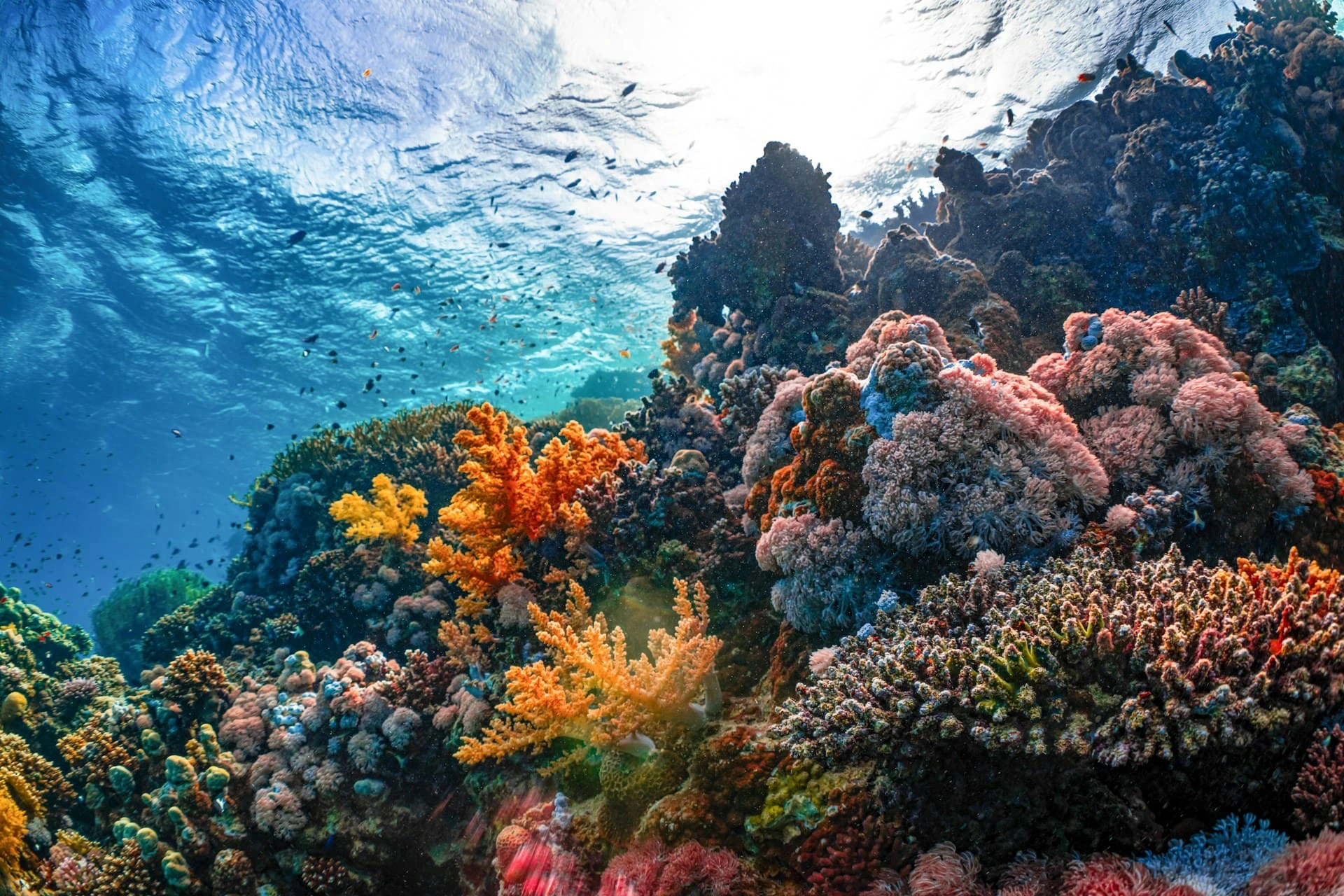
A brief period of contact with a healthy, genetically identical coral can help a severely bleached coral recover within seven weeks, according to research from Stanford University published in Science Advances on 14 October 2026.
The laboratory findings offer a new possibility for bleached coral reef restoration as rising sea temperatures trigger increasingly frequent and severe marine heatwaves. However, scientists caution that the technique is not yet practical for restoring entire reefs.
Coral bleaching occurs when unusually warm seawater causes corals to lose the beneficial algae living within their tissues. These algae provide much of the energy corals need to survive. Without them, corals turn white, become vulnerable to disease and starvation, and may eventually die. Recovery in the wild can take months or years.
The discovery began with an unexpected observation in 2025, when Stanford marine scientist Steve Palumbi noticed that a bleached coral fragment was regaining its colour where it touched a healthy fragment from the same colony.
Lead researcher Danny Collins investigated whether physical contact could transfer beneficial algae between genetically identical corals. The team tested 10 pairs of coral fragments, allowing five pairs to touch while keeping the remaining pairs a few millimetres apart.
Every bleached fragment that touched its healthy counterpart recovered completely within seven weeks. All five bleached fragments kept separate died.
Using microscopy, the researchers found that the tissues of genetically identical corals could fuse, creating tiny channels through which materials passed between the fragments. Beneficial algae began moving into the damaged corals within three days.
The team also found that contact did not need to continue throughout the recovery period . Five to seven days together was enough in some cases to transfer sufficient algae for the bleached fragments to recover after separation.
Once inside their new hosts, the algae multiplied rapidly. During the second week of contact, their numbers doubled approximately every four days, around ten times faster than rates previously observed in wild corals.
The researchers believe this accelerated return of the corals’ energy supply explains their rapid recovery.
However, the method has a significant limitation: it depends on finding healthy corals that are genetically identical to those that have bleached. Matching and connecting corals across large reef systems would be impractical.
The Stanford team plans to investigate ways of introducing beneficial algae into damaged corals without requiring direct contact. One possibility is to collect algae from healthy corals in advance and deliver them after a bleaching event.
The findings offer a promising research direction, but further work is needed to establish whether the process can help reefs recover at scale.
For more, visit EyeOnLondon at eye-on-london.com
Follow us on:



Subscribe to our YouTube channel for the latest videos & updates!

We value your thoughts! Share your feedback and help us make EyeOnLondon even better!