Oxford Street Goes Traffic-Free


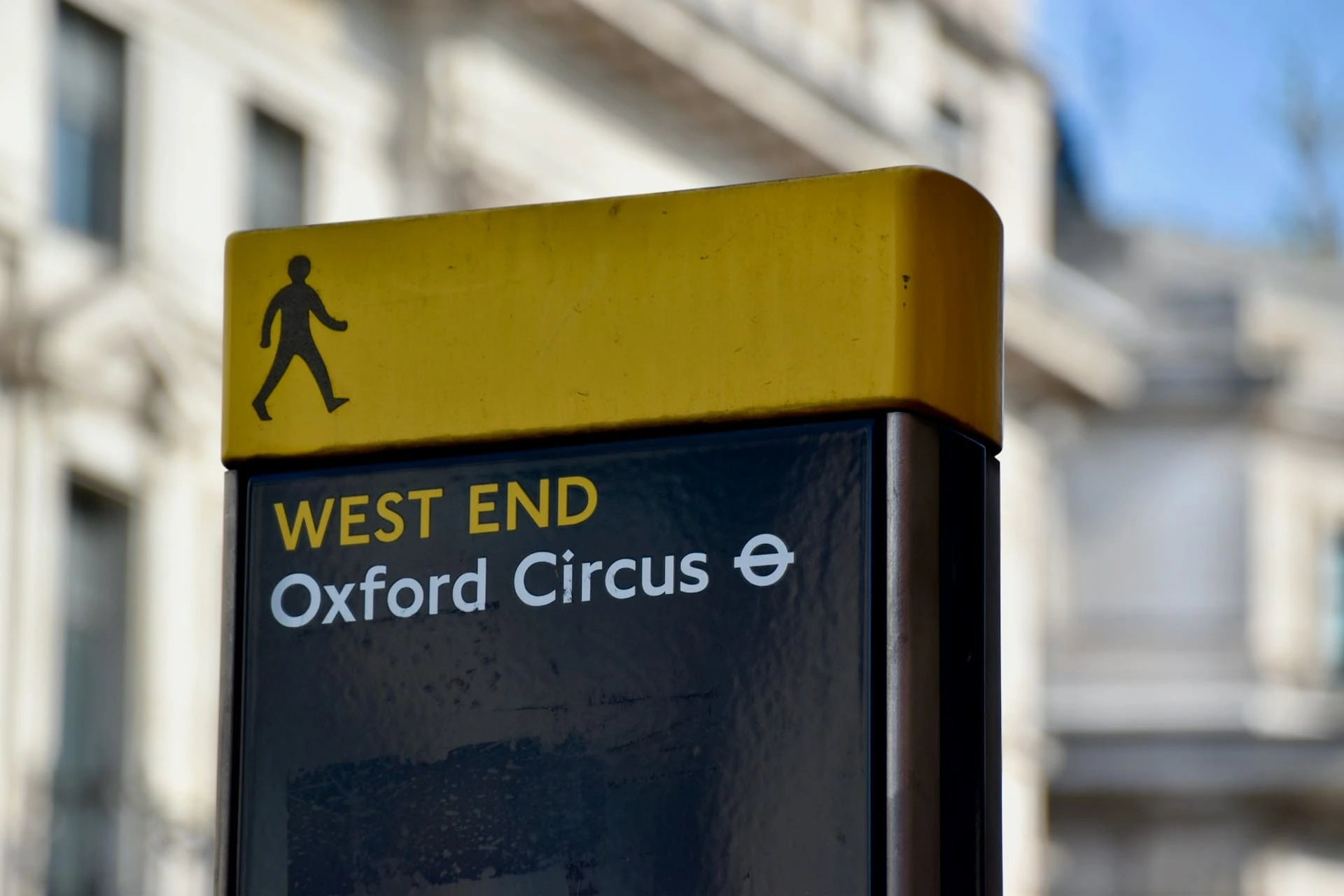
Oxford Street fell silent on Monday morning in a way it has not been in living memory. For almost a kilometre, from Orchard Street to Great Portland Street, there were no buses grinding past Selfridges, no taxis nosing through the crowds, no delivery vans mounting the kerb.
Mayor Sadiq Khan first floated pedestrianising Oxford Street in his 2016 manifesto, consulted on it in 2017, and watched the plan collapse in 2018 when Westminster Council pulled its support after deciding local people did not want it. A one-day trial closure in September 2025 and a fresh consultation eventually built enough momentum to get the scheme approved in February this year. Monday was the moment all of that finally became concrete, literal concrete, rather than another announcement.
Private cars, buses, taxis, private hire vehicles, cycles, scooters, and pedicabs are all barred from the pedestrianised stretch, which now functions as a dedicated shopping and walking space rather than a through-route. Buses on five routes, including the 98, 139 and 390, have been redirected onto Wigmore Street, Henrietta Place and Cavendish Place, with new stops roughly 200 metres from where the old ones stood.
Deliveries are still permitted, but only between midnight and 7am, and emergency vehicles retain access at all times. This is, for now, what Transport for London calls a transitional scheme: a deliberately temporary layout designed to let planners watch how people actually use the space before committing to a permanent design.
A public consultation that ran from February to May 2025 drew 6,642 responses, with 66 per cent of those who answered the pedestrianisation question backing it and 69 per cent supporting the creation of the Oxford Street Development Corporation to oversee the area.
GLA Economics has projected the scheme could add around £82 million a year in Gross Value Added and support roughly 781 additional jobs, drawing on evidence from the September 2025 trial, when nearby footfall rose and around two-thirds of surveyed stores reported higher or similar sales. The first phase is expected to cost in the region of £150 million, funded through borrowing rather than a windfall grant.
Westminster City Council has not changed its position, and its deputy leader, Councillor Tim Barnes, has said residents feel they are being told what will happen to them rather than consulted on it. His specific objection is that diverting buses and taxis onto smaller side streets simply moves the congestion problem rather than solving it, a concern echoed by residents’ groups in Fitzrovia and Marylebone who fear narrower streets built for local traffic will now carry through-traffic instead. Disability campaigners have raised a related worry: the nearest step-free Underground access and new bus stops now sit further from the shops than before, a real cost for anyone who cannot easily walk the extra distance.
Oxford Street’s annual contribution to London’s economy has been put at around £25 billion, and the Mayor’s ambition is for the area to become as much a workplace and leisure destination as a shopping strip, a shift already under way since the Elizabeth line opened a station directly beneath the street. Over the next phase, due to finish by spring 2027, the plan promises more than 50 new trees, two public squares, upgraded lighting and over a hundred new benches and dining tables, with Transport for London maintaining the street and Westminster City Council continuing to handle its cleaning.
For more , visit EyeOnLondon at eye-on-london.com
Follow us on:



Subscribe to our YouTube channel for the latest videos and updates!

We value your thoughts! Share your feedback and help us make EyeOnLondon even better!