YouTube & Netflix could face TV Licence changes under BBC funding plans

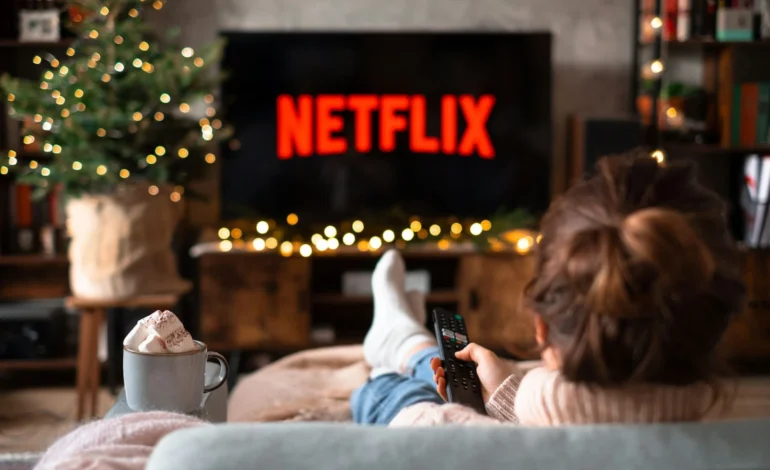
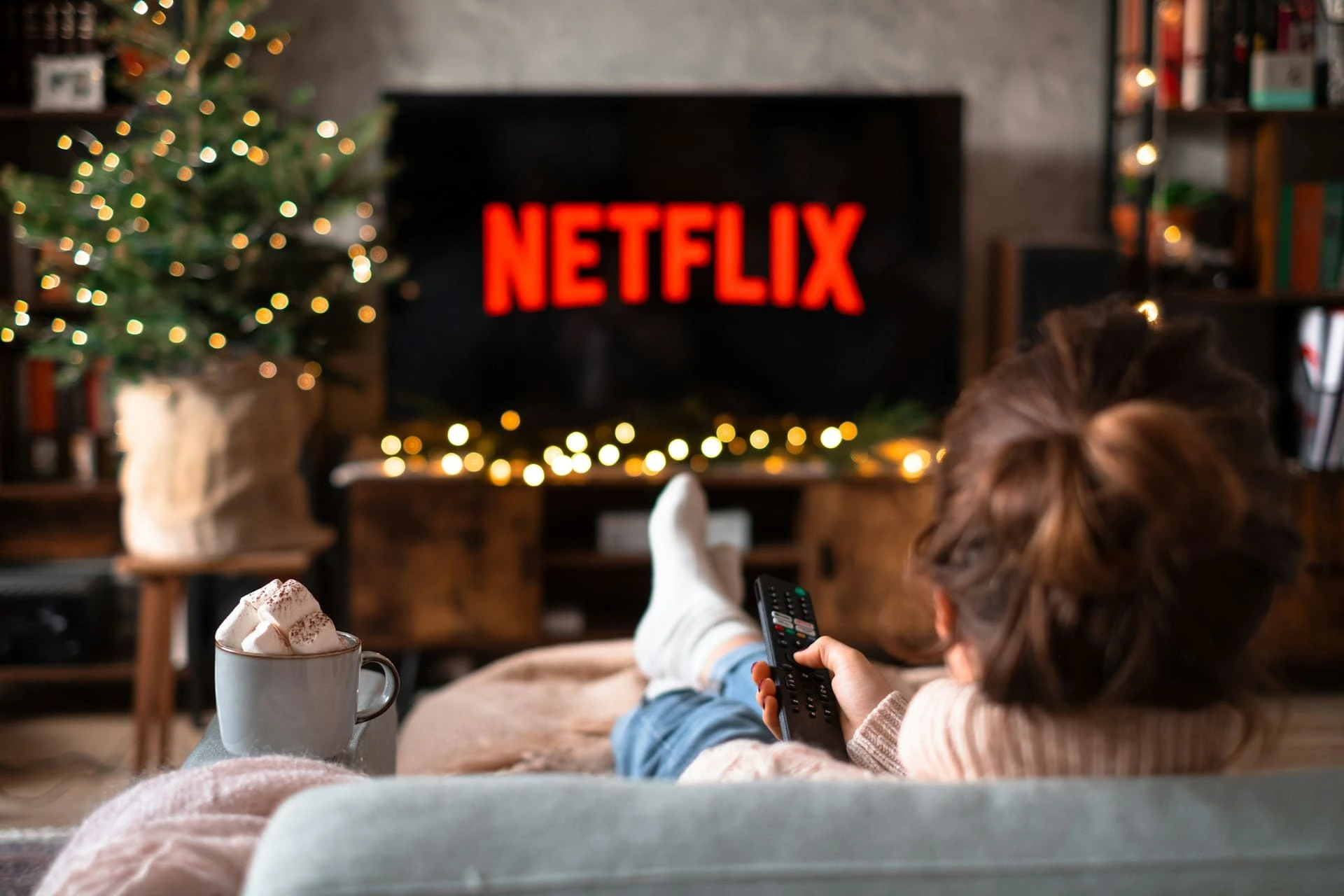
The government is considering extending the TV licence fee to streaming platforms such as Netflix, YouTube, Disney+ and Amazon Prime Video as part of plans to reform BBC funding, although no decisions have been made.
The proposals, reported by The Independent, are being considered ahead of a White Paper on the renewal of the BBC’s royal charter, expected before Christmas. The charter sets the framework for the broadcaster’s funding and regulation and is due to expire in December 2027.
The current annual TV licence fee is £180. At present, households do not need a licence to watch on-demand programmes on subscription services such as Netflix and Disney+, provided they are not watching live television. A licence is required to watch live TV on any channel or service, or to use BBC iPlayer, including for catch-up and on-demand programmes.
Extending the fee to online platforms would bring more viewing habits within the funding system, including watching video on phones, laptops and tablets. The idea has been dubbed a “YouTube tax”, reflecting the scale of online video viewing in the UK.
A BBC spokesperson said the corporation had consistently argued that the existing funding model was outdated and needed reform. The broadcaster wants a new charter that provides sustainable, sufficient and universal funding.
The Department for Culture, Media and Sport said the BBC needed a model that was sustainable and fair to those paying for it. It confirmed that ministers were examining several options for reforming the licence fee, but stressed that no final decisions had been made.
BBC director-general Matt Brittin has also called for changes that would allow the broadcaster to reach audiences on platforms including Netflix, YouTube, TikTok, Spotify and Instagram. He has argued that the existing system, which links payment to watching live television or using iPlayer, restricts how the BBC can distribute its content.
The debate comes as the BBC faces pressure on its finances. Licence fee revenue has fallen by more than £1 billion in real terms over the past decade, while the corporation’s 2025/26 annual report recorded a decline of more than 500,000 licence fee sales during the year.
Any changes would affect how households contribute to public-service broadcasting, particularly as viewing shifts away from traditional television towards streaming services and social media.
For more, visit EyeOnLondon at eye-on-london.com
Follow us on:



Subscribe to our YouTube channel for the latest videos & updates!

We value your thoughts! Share your feedback and help us make EyeOnLondon even better!