Webb Finds Clues to Planetary Collisions Around Young Stars

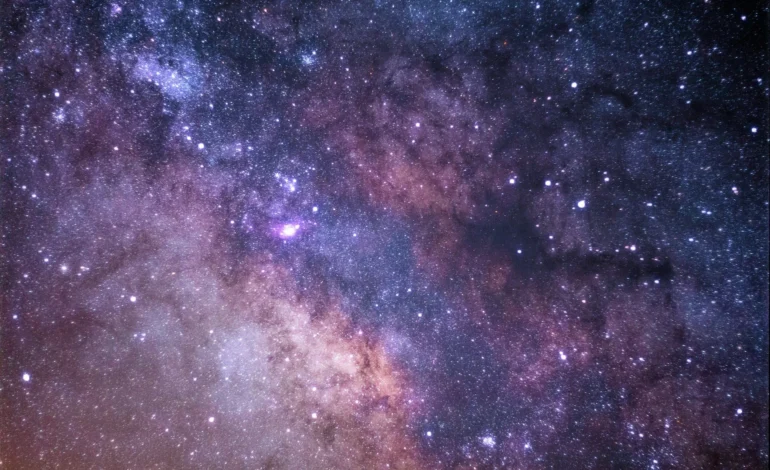
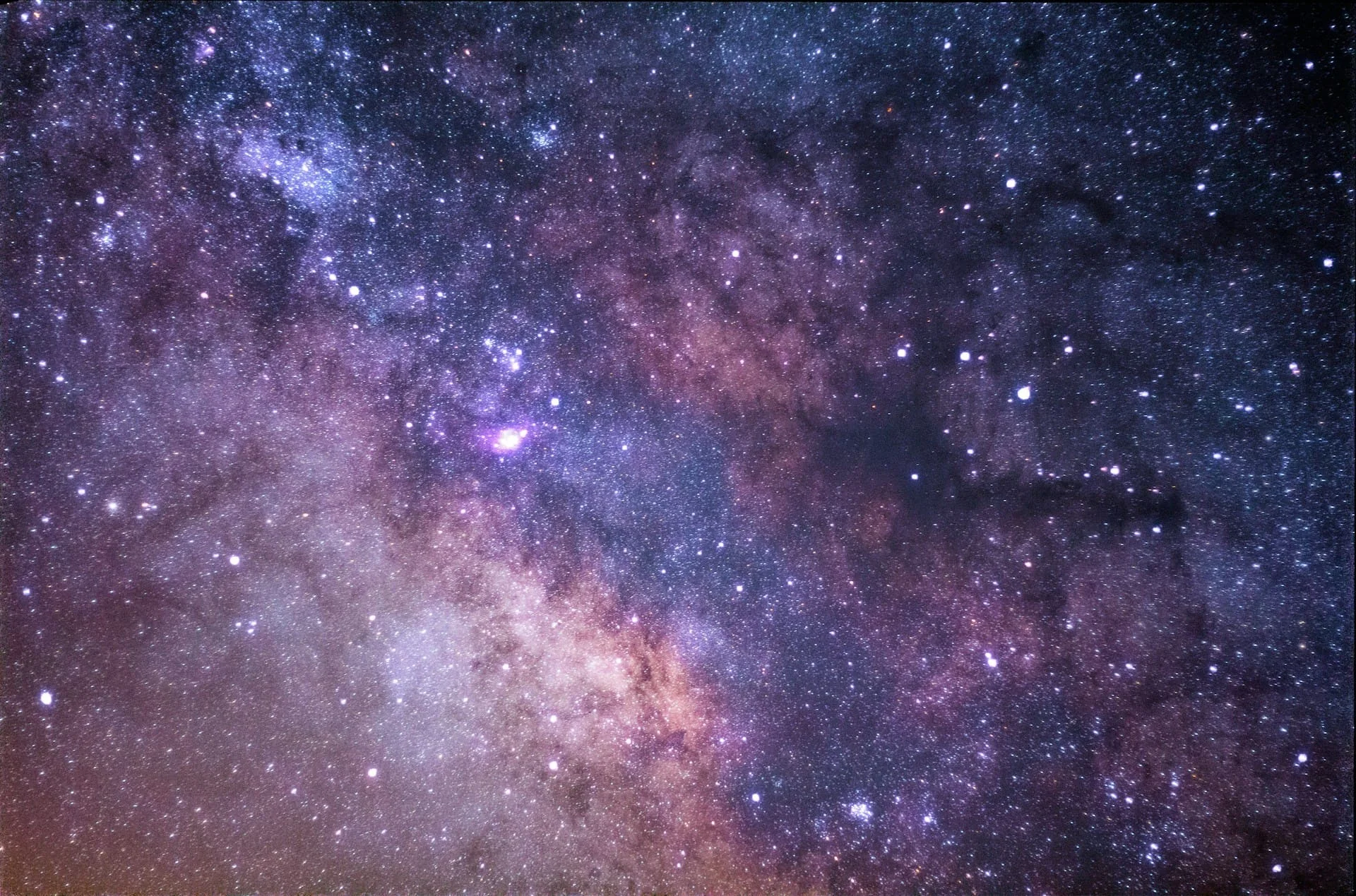
Astronomers are using the James Webb Space Telescope to investigate violent planetary collisions around young stars that could resemble events that shaped the early Solar System, including the impact thought to have formed the Moon.
The study, published on 1 October in The Astrophysical Journal, examines a rare class of planetary systems known as extreme debris disks. These disks contain unusually large amounts of warm dust close to their stars, in regions where rocky planets can form.
Led by Kate Su of the Space Science Institute in Boulder, Colorado, the research team combined observations from NASA’s retired Spitzer Space Telescope with new Webb data to study 21 extreme debris disks. Five systems came from Spitzer’s archives, while Webb observed 16, including 12 newly studied systems.
The observations revealed three distinctive features: unusually small dust grains, high concentrations of warm dust, and infrared brightness that changes irregularly over time. Webb’s mid-infrared spectroscopy also allowed the researchers to examine the minerals contained within the debris.
The systems fell into two broad groups, depending on their silica content. About one-third were silica-rich, a signature the researchers associate with exceptionally energetic collisions between Mars-sized planetary bodies. Such impacts could vaporise substantial quantities of rock, producing the mineral-rich debris detected by Webb.
The remaining systems were silica-poor and appear to have formed through less energetic collisions, potentially involving Moon-sized bodies. These disks were also found around a much wider range of stellar ages and tended to show greater changes in brightness.
The age difference could offer an important clue to the evolution of rocky planets. Silica-rich systems have so far been found only around stars younger than 300 million years, broadly matching models suggesting that terrestrial planets emerge during the first few hundred million years of a planetary system’s history.
That timeframe is particularly intriguing for Earth. Scientists estimate that Earth and the Moon formed roughly 100 million years after the Sun, with the Moon probably emerging from the collision between Earth and a Mars-sized body known as Theia.
The researchers say extreme debris disks could therefore provide a rare observational window into the violent processes such as planetary collisions that build rocky worlds. Studying them may also help astronomers investigate whether our own Solar System experienced similar periods of intense collisions and dust.
For more, visit EyeOnLondon at eye-on-london.com
Follow us on:



Subscribe to our YouTube channel for the latest videos & updates!

We value your thoughts! Share your feedback and help us make EyeOnLondon even better!