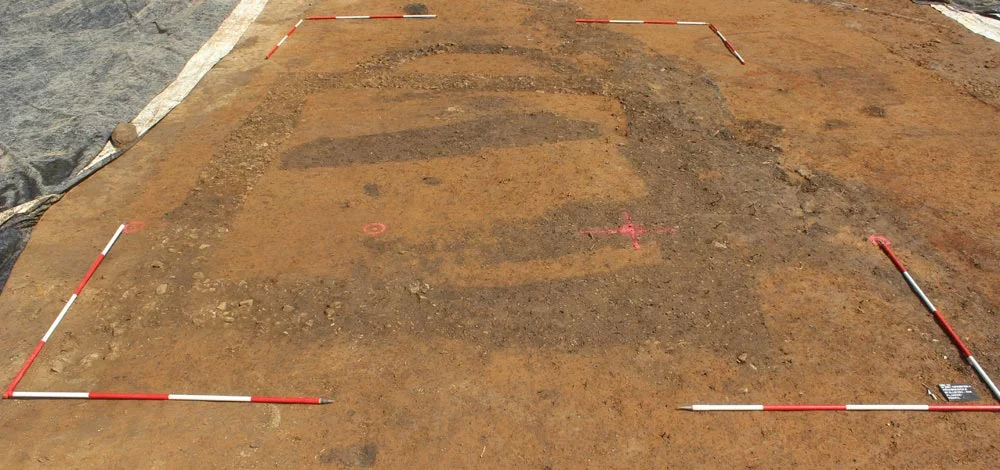
A vast Roman sanctuary beneath Frankfurt is revealing how ritual shaped life in the city

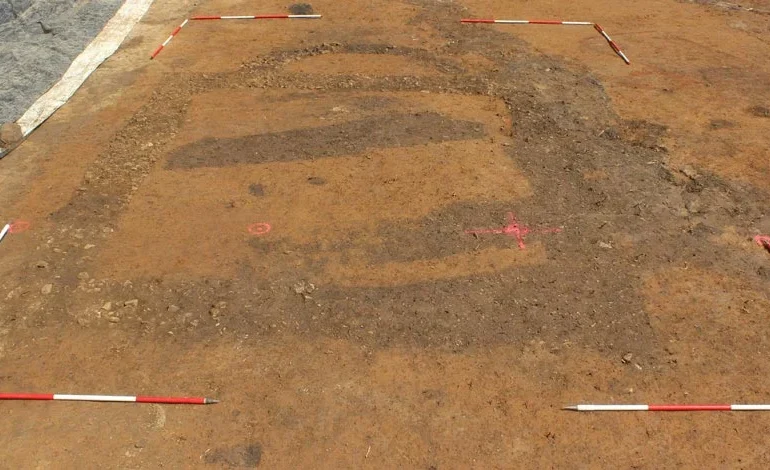
A major archaeological project is now under way in Frankfurt, where a newly uncovered Roman sanctuary is being examined in detail by an international team of researchers. The study, supported by more than €1 million in joint funding, will explore what may be one of the most significant religious sites discovered in Roman Germania in recent years.
The work builds on recent findings published by researchers at Goethe University Frankfurt, whose study of the site points to an unusually complex sanctuary structure and evidence of ritual activity, including large-scale depositions of offerings.
The site lies within the remains of Nida, a settlement that developed into a major urban centre in Roman Germania. Excavations carried out during the construction of a new school revealed a walled cult complex that had remained largely undisturbed for nearly two thousand years.
More reporting from EyeOnLondon
Policy, science and global developments shaping London’s wider world.
The scale of the discovery is matched by the level of detail preserved across the site. More than 4,500 square metres were excavated, exposing eleven stone buildings arranged in a layout that has no clear parallel in the Roman provinces of northern Europe. The design suggests a shared religious space rather than a single temple, where different deities and practices coexisted.
Finds across the site point to sustained ritual activity. Around seventy shafts and a series of pits contained ceramics, animal remains and plant material, indicating structured acts of deposition. Fish, birds and other remains suggest communal meals tied to religious observance rather than everyday life.
Alongside these deposits, archaeologists uncovered coins, garment clasps and fragments of painted wall plaster, as well as bronze fittings from doors and windows. These details point to buildings that were both functional and carefully decorated, reflecting the importance of the sanctuary within the city.
Some evidence has raised more complex questions. Certain deposits may point to ritual practices rarely identified in this part of the Roman world, including the possibility of human sacrifice. Researchers will examine these findings in detail as part of the wider study.
Although inscriptions and artefacts refer to several deities, including Jupiter, Diana and Apollo, it remains unclear which gods were central to the sanctuary. The site appears to have served a broader regional role, where multiple traditions were brought together within a single space.
The research now underway brings together specialists across several disciplines, with the aim of reconstructing how the sanctuary functioned in practice. By studying both the architecture and the pattern of deposits, researchers hope to understand how belief was organised within the city and how ritual shaped its daily life.
A detailed account of the discovery and its early interpretation is available through research published by Goethe University Frankfurt, which outlines how the site may change current understanding of ritual life in Roman Germania.
Nida itself began as a military settlement in the late first century and grew into a significant economic and cultural centre. Its rediscovery continues to show how deeply embedded religious practice was in the structure of urban life across the Roman world.
For more reporting on history, archaeology and the ideas shaping how we understand the past, follow EyeOnLondon.
[Image Credit | Goethe University Frankfurt / Archaeological Museum Frankfurt]
Follow us on:



Subscribe to our YouTube channel for the latest videos and updates!

We value your thoughts! Share your feedback and help us make EyeOnLondon even better!