Species loss in Britain could exceed 100 by 2080

The UK is “one of the most nature depleted nations” on the planet, according to The Natural History Museum, adding that it’s “about to get worse.” Habitat loss and climate change could result in species of plants, butterflies, and birds lost by the end of the century, with “urgent action” needed to save them.
England’s “green and pleasant land” will be “transformed” the museum said, over the next 60 years, with rising temperatures and other human impacts continuing to “take their toll on nature.” The findings of the study were published in the journal Nature Communications.
Research has now found that plants are set to be hit the hardest, followed by butterflies and birds. Many species will “find themselves with nowhere to go,” with over 130 already precited to disappear from Great Britain by 2080. Many more will be pushed to the brink as “climate and land use change transform the countryside.”
“In a world where fossil fuels are burned without limit and natural habitats torn up, as many as a third more species will disappear than in a more sustainable future,” the museum said.
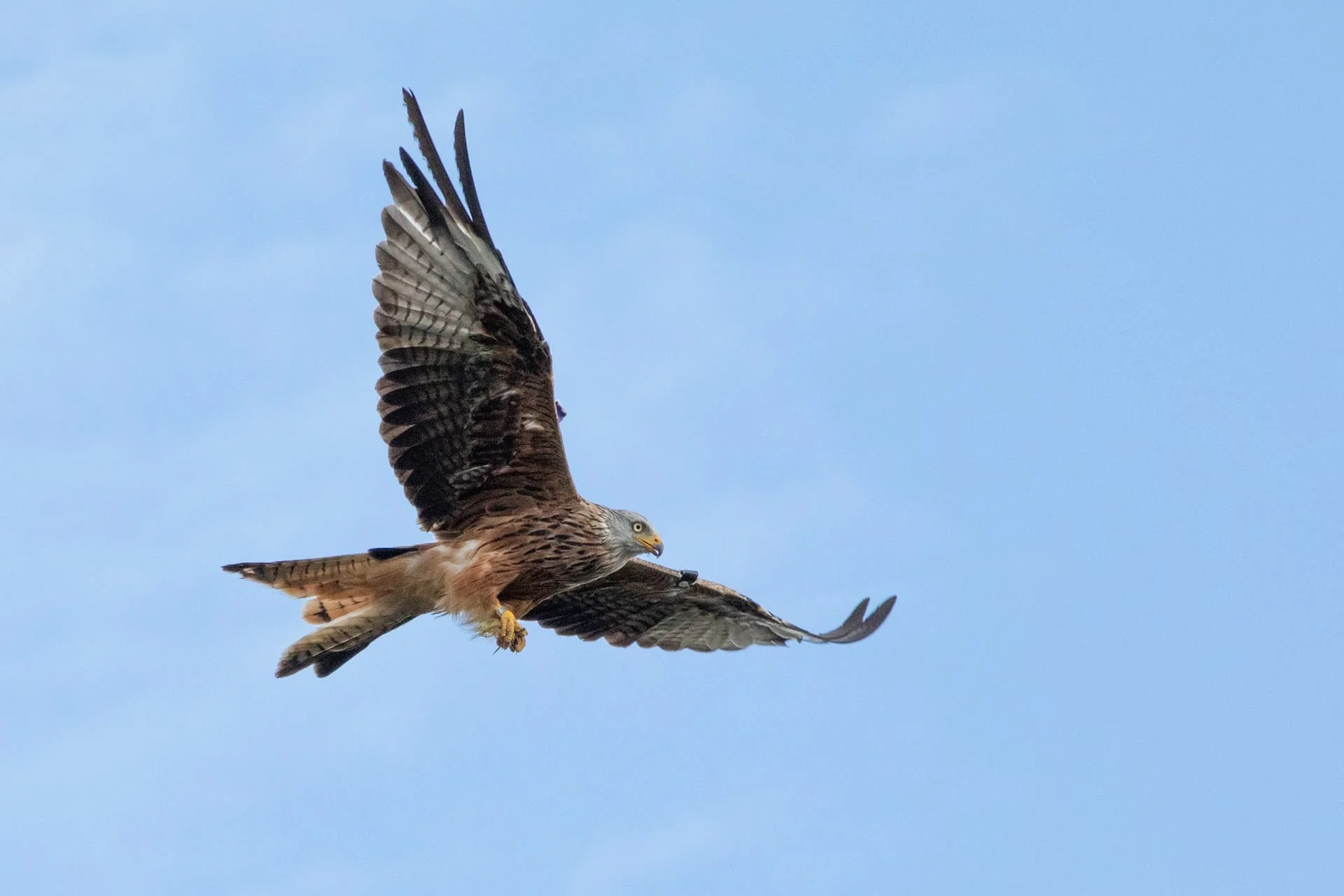
The extinction will have widespread consequences, lead scientist Dr Rob Cookeopens says: “Some species that have been part of our landscapes for centuries are now at risk of being lost, such as the merlin, the UK’s smallest bird of prey, mountain ringlet and large heath butterflies, as well as plants such as burnt orchid, grass-of-Parnassus and alpine gentian.”
“This will negatively affect local habitats and a range of ecological functions, from soil health and nutrient cycling to pollination and food production, with knock-on effects for wildlife and people.”
Stay tuned to EyeOnLondon for the latest news and expert opinions.
Follow us on:



Subscribe to our YouTube channel for the latest videos and updates!

We value your thoughts! Share your feedback and help us make EyeOnLondon even better!