Palm House at Kew Gardens set for net-zero future

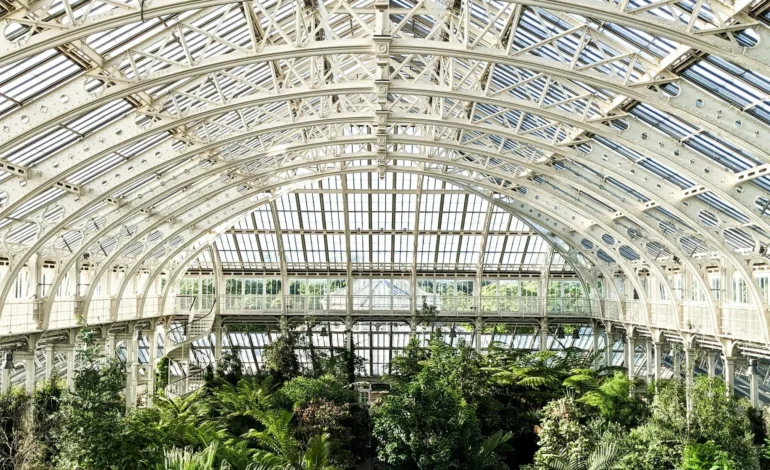
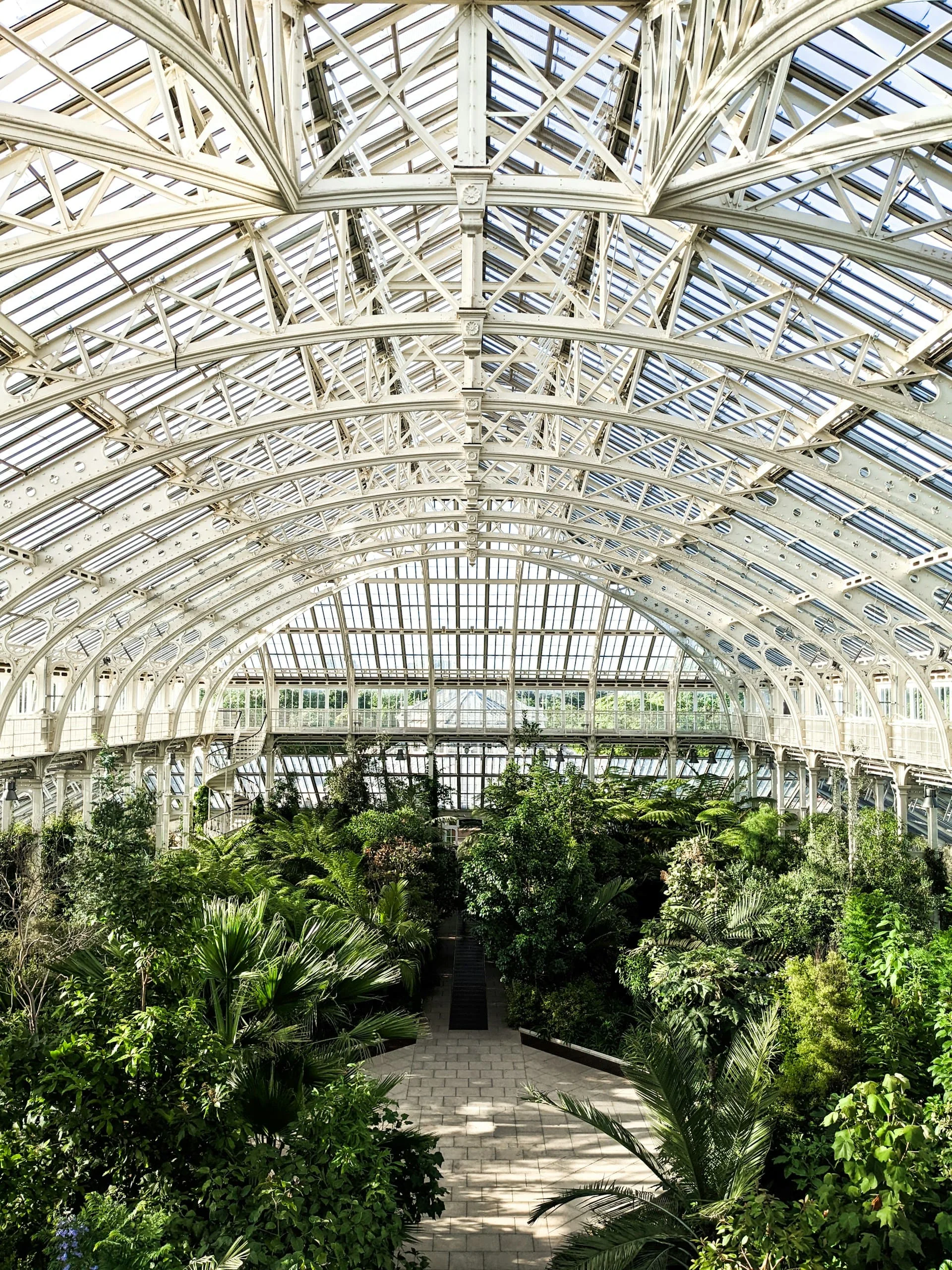
The Palm House at Royal Botanic Gardens Kew is preparing for a major £60 million transformation aimed at securing its future while setting a benchmark for sustainable heritage renovation. The Victorian structure, central to Kew’s UNESCO World Heritage Site, was last refurbished in the 1980s. Decades of high humidity and limited ventilation have since taken a toll on the building’s fabric.
Inside, the glasshouse maintains a constant tropical climate of around 20°C, conditions essential for its collection of rare and endangered plant species. These plants underpin globally significant research into biodiversity loss, future food systems, and medicine.
But maintaining that climate comes at a cost. The Palm House currently accounts for roughly 15% of Kew’s total gas consumption, making it one of the site’s most energy-intensive buildings.
Project leaders aim to turn the Palm House into a net-zero building, an ambitious goal for a structure of its age and complexity.
Plans include improving the building’s thermal and ventilation performance, conducting whole-life carbon assessments of materials, reducing emissions during construction and operation, and integrating greener energy sources and tariffs
The project has received £240,000 in development funding from the National Lottery Heritage Fund, supporting research and testing ahead of a potential £10 million delivery grant.
This early phase allows engineers, conservationists and designers to refine solutions that balance preservation with environmental performance.
Stay connected with EyeOnLondon for thoughtful journalism on London, culture and global affairs.
Follow us on:



Subscribe to our YouTube channel for the latest videos and updates!

We value your thoughts! Share your feedback and help us make EyeOnLondon even better!