Hackney woman’s fox rescue draws millions online

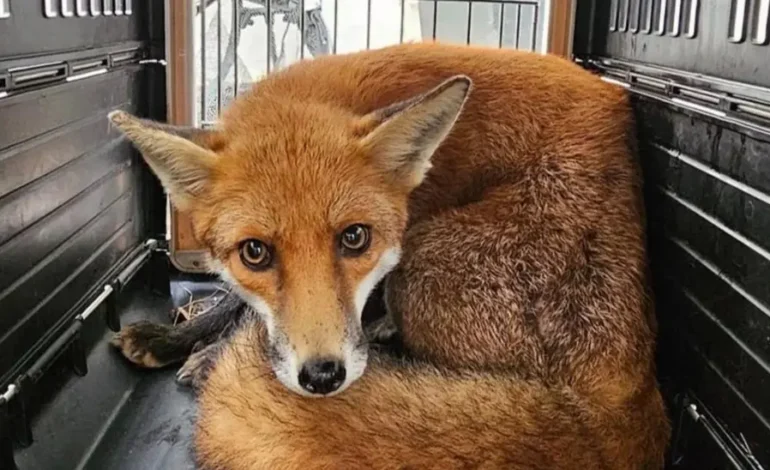
In September last year, a Hackney resident’s account of nursing an injured fox back to health drew almost seven million views on TikTok and Instagram, turning a quiet act of care into an unexpected viral story. The attention has renewed debate about how London treats its urban wildlife and the growing role of volunteer rescue groups.
Blakeley Bermingham, 43, first noticed the fox in her garden in October 2024. The animal was shivering, bleeding and showing signs of mange, with bald patches on its tail. After contacting her local vet, she sought advice from the Fox Angels Foundation, a charity that rescues and treats injured foxes.
More London news from EyeOnLondon
Borough updates, planning decisions and capital-wide policy reporting.
Portobello Road upgrade approved
Kensington and Chelsea councillors back £4.4m works including flood mitigation and redesigned safety measures.
Read the full reportCity of London skyline CGI revealed
New imagery shows how the Square Mile’s tall buildings cluster could look as development accelerates.
Read the full reportCongestion charge hours extended into evening
Drivers face longer charging times as City Hall adjusts transport policy to manage traffic levels.
Read the full reportShe began leaving turkey mince meatballs mixed with medicine in her garden and later named the fox Meatball.
“We couldn’t just leave a creature in that state. It was awful,” she said.
A slow recovery
Mange is common among foxes, particularly in winter, and can leave animals severely weakened. With guidance from the charity, Bermingham said the fox gradually recovered and began returning regularly.
During the recovery period, Meatball became pregnant, but her cubs did not survive. Over the following months, the fox grew more confident, sometimes watching television through the patio doors, venturing inside the house and playing in the garden.
“Fox Angels were so quick to give advice and send medicine. I’m really grateful for them,” Bermingham said.
London is estimated to be home to around 10,000 urban foxes. Conservation groups say a large proportion of cubs do not reach adulthood, often because of traffic.
“We’ve ruined their environments,” Bermingham said.
“For better or worse, foxes are having to live with us, so it is our job to take care of them when we see them in trouble.”
Pressure on rescue groups
Fox Angels Foundation, established in 2019, operates through a network of volunteers and donations. The charity says its 26 volunteers treat around 400 foxes each month, with further cases referred to veterinary practices or rehabilitation centres for more serious injuries.
Chair Lynne Driscoll said urban foxes are often misunderstood.
“I wish people would realise foxes are living beings with family structures and feelings,” she said.
The organisation says fox treatment can be costly, citing recent cases requiring thousands of pounds for surgery and rehabilitation.
Under the Royal College of Veterinary Surgeons’ Code of Professional Conduct, veterinary surgeons are required to provide emergency first aid and pain relief to animals. However, the charity says not all practices accept foxes for longer-term treatment.
Foxes are classed as wild animals rather than pests, and councils have no general obligation to remove them from public or private land.
For Bermingham, what began as an attempt to help a distressed animal has become a sustained bond. Meatball still visits her garden, a reminder of the proximity between London’s wildlife and its residents.
For independent reporting on Hackney, London wildlife and the issues shaping local communities, follow EyeOnLondon.
[Image Credit | © Fox Angels Foundation]
Follow us on:



Subscribe to our YouTube channel for the latest videos and updates!

We value your thoughts! Share your feedback and help us make EyeOnLondon even better!