Why global species survival efforts now matter for London’s green spaces

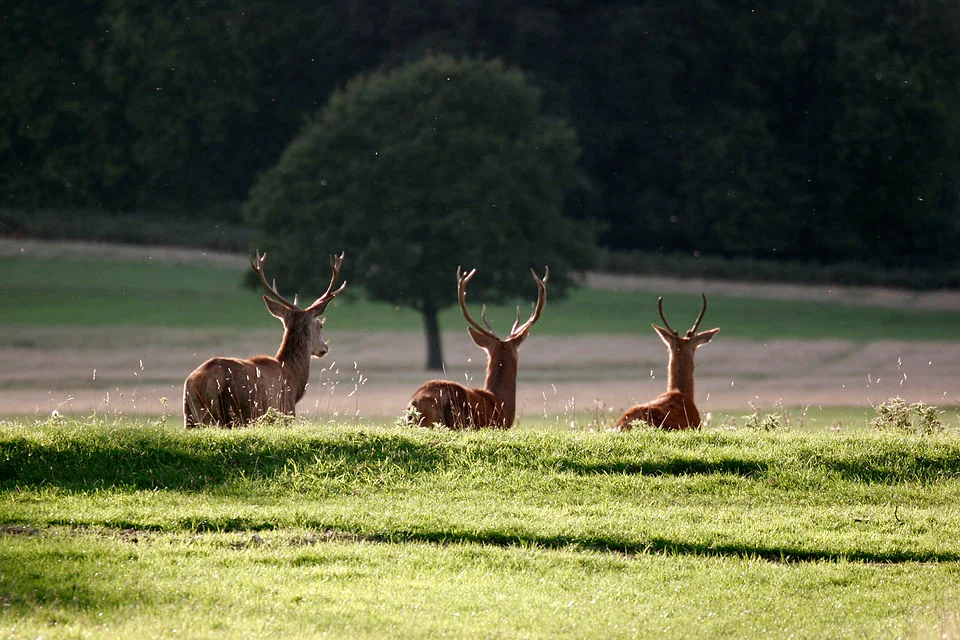
Walk through one of London’s older parks early in the morning and you start to notice small details that are easy to miss later in the day.
Movement in the air is lighter. Fewer insects pass through the same space. The ground feels settled in a way that is hard to describe, as if something beneath it is quieter than it once was. Nothing dramatic, nothing that draws attention, just a slight shift in how the place feels.
More reporting from EyeOnLondon
Policy, science and global developments shaping London’s wider world.
These are not the kinds of changes that usually make their way into conservation reports. They sit at the edge of perception, noticed in passing and then forgotten.
For a long time, that has also been where conservation begins.
Only once a species is counted, measured, and shown to be declining does it enter the system. Categories follow. Endangered. Critically endangered. By then, the work is already difficult.
A new direction led by the International Union for Conservation of Nature is beginning to take shape, one that pays closer attention to those earlier, less certain signs.
The ground London stands on
London’s green spaces have always carried more history than they first appear to.
Many of the city’s parks were once private estates, shaped over centuries and gradually opened to the public. Beneath their lawns and pathways lies a continuity that is not immediately visible. Layers of planting, soil that has been turned and retended over generations, systems that have settled into a quiet balance.
That balance depends on more than trees and grass.
Fungi stretch through the soil, linking root systems. Microorganisms break down organic matter and return it to the ground. Insects move between plants in patterns that repeat across seasons. Much of this activity goes unnoticed, yet it holds the structure of the landscape together.
The current shift in conservation thinking brings these systems into clearer view. Not as background detail, but as the foundation on which everything else rests.
How change is noticed
Decline rarely announces itself.
It builds gradually, often unevenly. A species becomes less common in one area, then disappears from another. Conditions shift, though not always in ways that are easy to measure straight away.
Traditional approaches have relied on tracking numbers over time. That work remains important, though it does not always capture the early stages of change.
The emerging approach looks more closely at how places function. Whether habitats remain connected. Whether species can move across them. How resilient the underlying systems are.
These are quieter indicators, though they tend to show where pressure is beginning to build.
What early action looks like
In practice, earlier attention rarely appears dramatic.
It can be as simple as leaving part of a space undisturbed. Allowing planting to vary. Managing how land is used so that it does not become uniform. Small decisions that shape how a place develops over time.
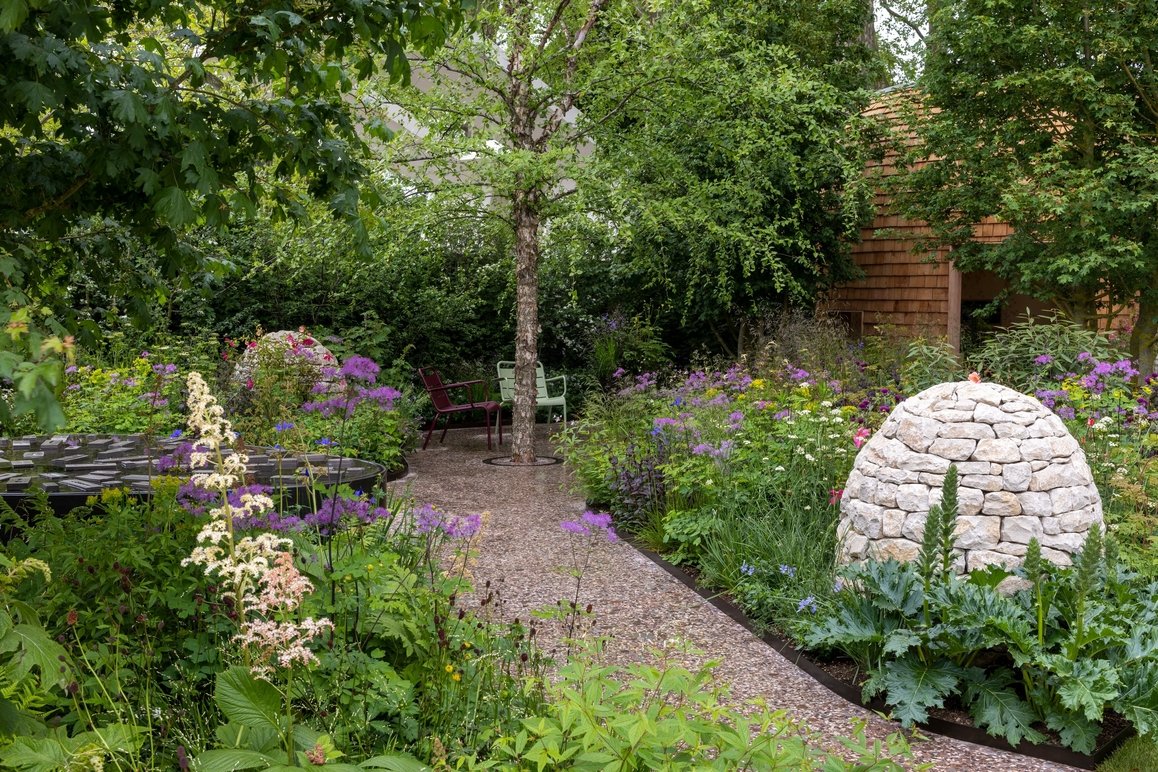
Across London, this already happens in different ways. Community gardens, rewilded corners of parks, shifts in how local authorities manage planting and maintenance. None of it carries the urgency of crisis, though it has a steady influence on how ecosystems hold together.
The emphasis now is on recognising the value of those actions before pressure becomes visible.
Knowledge that accumulates quietly
There is also a form of knowledge that builds through familiarity rather than measurement.
Gardeners who return to the same ground each season. Park staff who notice changes in soil, planting, or wildlife. Local residents who see what appears and disappears over time.
These observations rarely sit in formal datasets, though they form a continuous record of change. The new commission places more weight on this kind of experience, allowing it to sit alongside scientific research.
It brings the focus slightly closer to the question people tend to ask instinctively. Not how many remain, but what feels different.
Movement across a fragmented city
The shape of the city itself plays a role.
London is not a continuous landscape. Its green spaces sit between roads, buildings, and developed areas. Movement between them is not always straightforward.
As temperatures shift and conditions change, species adjust their ranges. Whether they can do so within a city depends on how connected those spaces are.
Paths between parks, corridors along rivers, smaller patches of greenery that link larger ones. These begin to matter in ways that are not always obvious.
A change in pace
What is taking shape through this new approach is a different sense of timing.
Attention comes earlier. Decisions are made with less certainty, though often with better effect. The aim is to keep systems stable rather than restore them after disruption.
There are already examples where this has worked quietly. Places where early care has allowed species to remain part of the landscape without drawing notice.
For London, where nature is woven into daily life without always being at the centre of it, this approach sits comfortably.
It asks for a different kind of awareness. Not dramatic, not urgent, but steady enough to notice when something begins to shift.
Follow EyeOnLondon for clear reporting on London, culture and the wider world.
Follow us on:



Subscribe to our YouTube channel for the latest videos and updates!

We value your thoughts! Share your feedback and help us make EyeOnLondon even better!