DNA from lion parts used to convict poachers in Zimbabwe

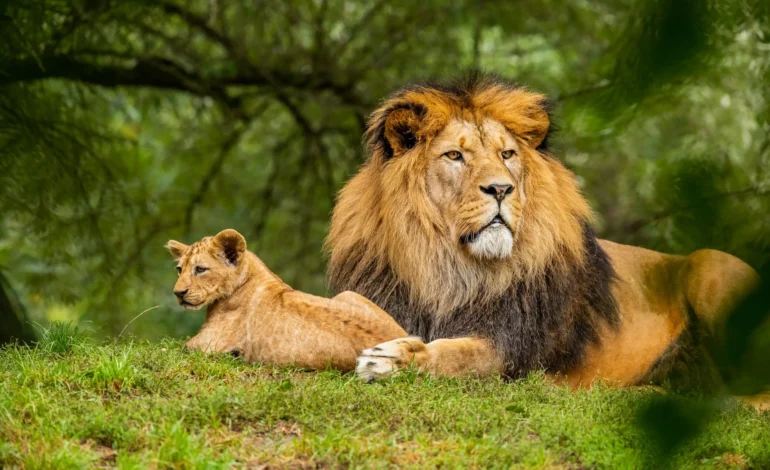
For the first time in the world, lion DNA has been successfully used to prosecute poachers. Wildlife crime experts have revealed how they were able to identify an individual lion from its body parts found in a village. The parts matched the profile on the Zimbabwe lion database.
A blood sample was taken from the male lion that had been tracked with a radio collar by authorities in Hwange National Park. A pair of poachers were convicted of the 2024 killing and sent to prison in what is believed to be the first such prosecution.
Details of the conviction and the part played by the DNA database had previously not been known. Non-governmental organisation (NGO) Traffic revealed the information to the BBC. The NGO works against the illegal trade in wildlife.
In May 2024, authorities in the national park were suspicious when a radio collar stopped working. Police and investigators travelled to its last known position, finding a snare with lion fur attached to it. They collected forensic evidence, questioned two men in a nearby village, and found three sacks of meet, more than a dozen lion claws, and four teeth. The body parts were tested against the DNA database, matching that of the missing animal.
Possession of lion parts is not necessarily a crime in Zimbabwe, according to the BBC, as they could be old or traditional ornaments, or come from an animal that was not killed by any person. This has worked against prosecutions in the past.
But now that has changed as the lab generated genetic profile from the body parts matched that of the missing lion.
Stay tuned to EyeOnLondon for the latest news and expert opinions.
Follow us on:



Subscribe to our YouTube channel for the latest videos and updates!

We value your thoughts! Share your feedback and help us make EyeOnLondon even better!