Samurai and the making of a warrior myth

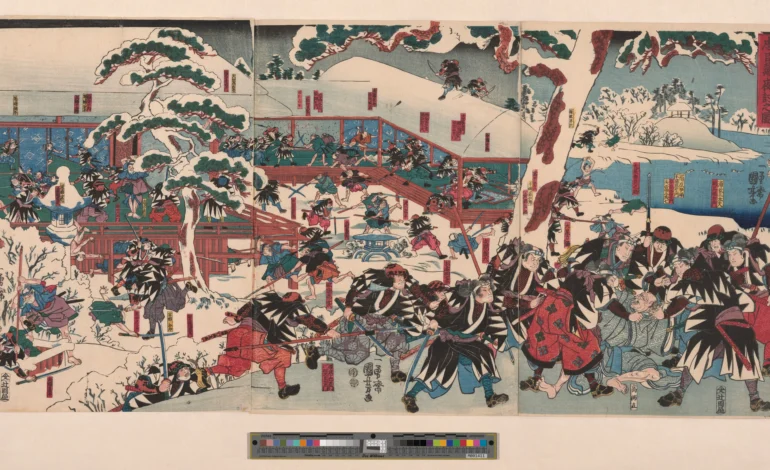
Samurai | British Museum until 4 May 2026
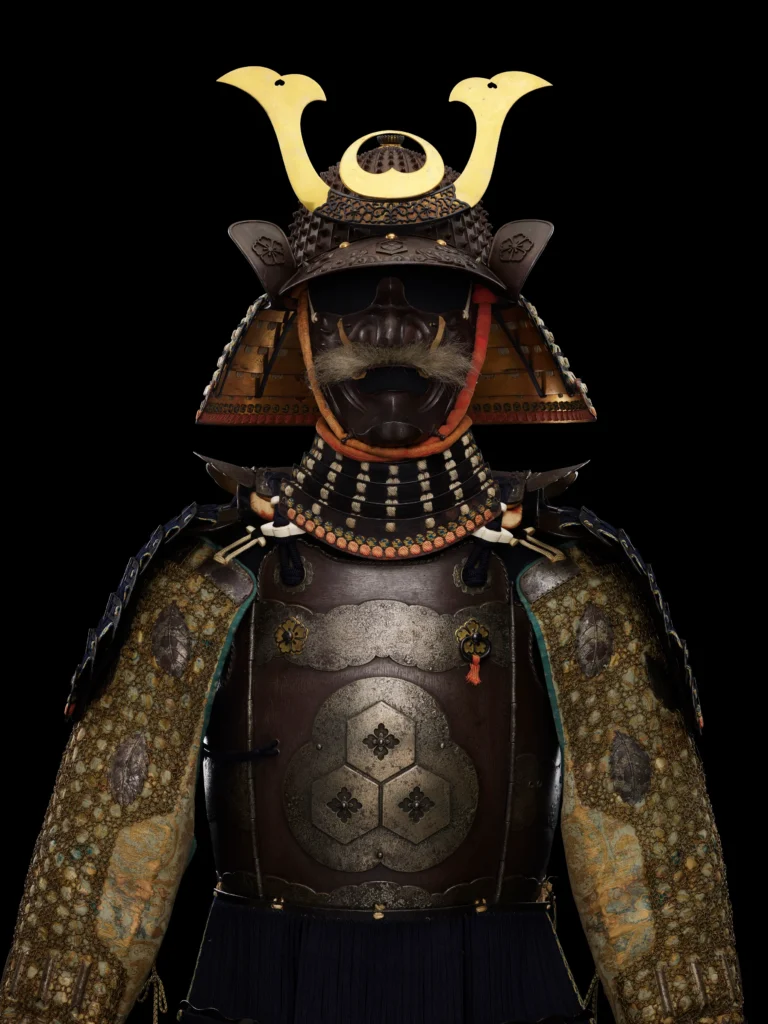
We know what samurai are. They are Japan’s fearsome, mythic warrior class, clad in the most elaborate armour, with masks designed to put the fear of God into any opponent as they wield their razor-sharp, two-foot-long swords.
We know them from films such as Seven Samurai, still doing the rounds of cinemas and film clubs; Kobayashi’s Harakiri of 1962; Robert Houston’s Shogun Assassin (1980), inspired by a Kazuo Koike manga series; Miike’s 13 Assassins of 2010; and FX’s 2024 television adaptation of James Clavell’s Shogun, portraying the greatest shogun of them all, Tokugawa Ieyasu.
More reporting from EyeOnLondon
Film, theatre and cultural stories shaping London’s creative life.
Needless to say, we are wrong, and this British Museum exhibition sets out to show how that myth is a massive understatement.
The actual word for “warrior” is, rather less romantically, “bushi”; “samurai” means servant, or more accurately vassal or retainer of a lord. These warlords were called “daimyo” and ultimately “shogun”.
The samurai were, in fact, a warrior class, families whose men were trained from infancy in swordsmanship, horsemanship and archery, who developed from the 700s over 1,000 years. But they were also cultivated, versed in calligraphy, philosophy and literature, and through the centuries many samurai scions became the bureaucrats of civic life in Japan, the lawyers, accountants and diplomats required of later ages, as well as painters, playwrights, ceramicists and poets.
Japan’s warrior clans began to emerge in the 8th century, a period of great internecine strife among Japanese families, encouraged by the emperor to replace an unreliable and poorly trained conscript army. Foot soldiers were put up against mounted knights and archers and were no match, while the new bushi were enriched by an imperial edict that allowed them to acquire land and, with it, wealth. The emperors delegated the safeguarding of the countryside to them, and some families grew more powerful than others, with influential court roles, but with bitter rivalries also developing. By the 13th century the emperor had become a figurehead, and the true sovereign was the military ruler, the shogun, the head of the prevailing samurai clan.
Warfare was brutal, with warriors taking their tally of kills for rewards from their lords by delivering the heads of the vanquished, and looting, land-grabs and enslavement by samurai was normal.
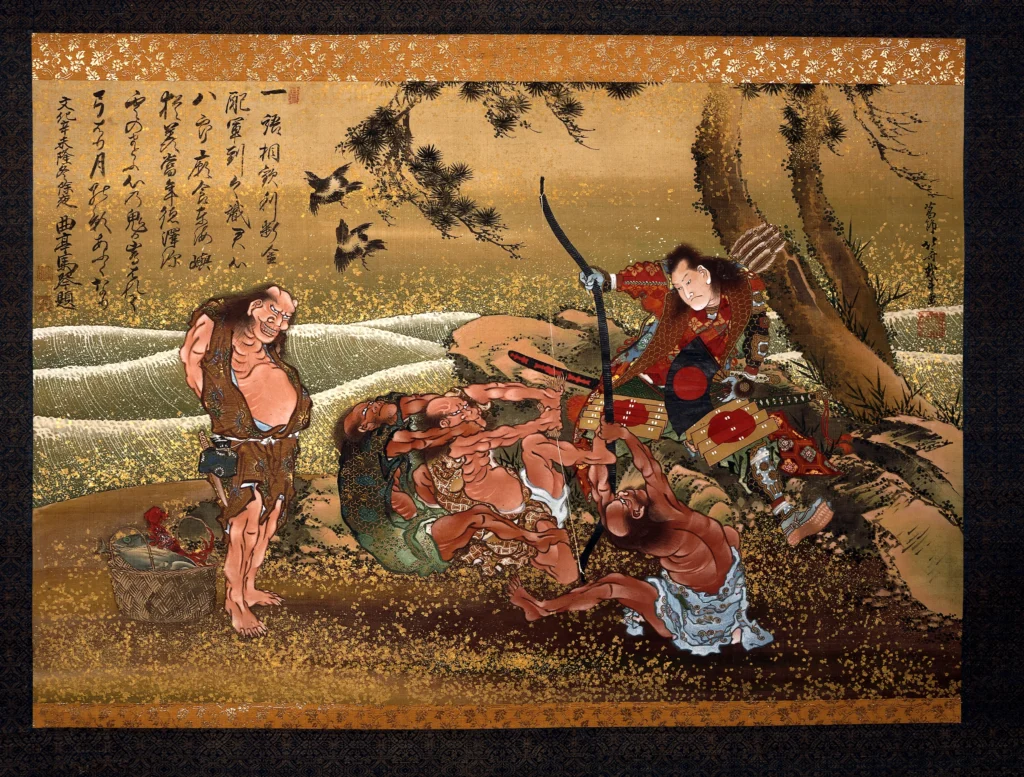
The samurai warrior class began to emerge in the mid-700s, and by 1115 the first warrior government, the shogunate, was established by the all-powerful Minamoto clan, who, a couple of centuries later, in turn lost power to the Ashikaga clan. Rulers usually sprang from Japan’s nobility, but not always. A key feudal warlord, Toyotomi Hideyoshi, was the son of a foot soldier who rose to supremacy in the second half of the 16th century. During his reign, Korean prisoners of war were taken and included craftspeople whose skill revitalised the ceramic industry, centred on the island of Kyushu, which became famous for its delicate tea bowls.
Hideyoshi was succeeded in 1600 by Tokugawa Ieyasu, who systematically eliminated rival clans to establish his dominance and a period of peace and prosperity which was to last 250 years, during which the role of the samurai was transformed.
The swords actually had limited use in battle, being unwieldy and difficult to draw from a scabbard for a horseman. But great craftsmanship was lavished on their creation. The traditional katana sword had a blade that was 24 to 31 inches long and was made of high-carbon “jewel steel”, while the handle, another eight inches or so, was made of wood, covered in fish skin and wrapped in silk.
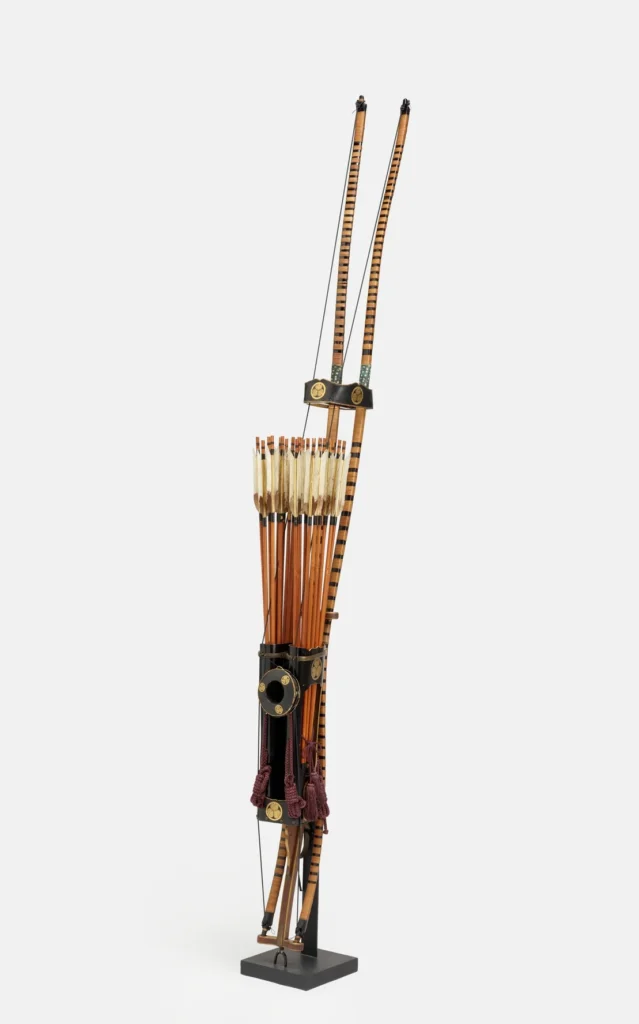
The favoured weapon for cavalry was the bow, made of a laminate of wood and bamboo, covered in lacquer. Saddles were made of oak, sometimes inlaid with mother-of-pearl, providing a platform for drawing a bow to its limit while riding at speed, all decorated in silk.
Two introductions at the end of the 16th century made powerful impacts: guns, which forever moved swords to ceremonial use only, and tobacco, which gave rise to fantastically decorated smoking paraphernalia, including the now highly collectable toggles, netsuke.
There was great drama about their professional lives, most obviously in the armour they wore. This would typically be made of iron, leather and wool but decorated in multicoloured silks, exotic feathers and painted lacquer, and the iconic sword became the symbol of the samurai. But amid the elegance of their attire, the samurai made brutal war, in an age when the warrior would claim rewards from his lord by presenting the heads of the enemies he had killed.
In Tokugawa’s reign, 260 domains were established, each with a lord paying homage to the shogun, lordships that became customarily hereditary, and samurai families represented 10% of the population. Beneath them in the pecking order came labourers, artisans and traders. Samurai gentry participated in the arts and intellectual pursuits, and many were themselves artists and poets; legendary warriors were idealised in books, prints and theatre, while criticism of rulers was expressed through allegory and historical reference.
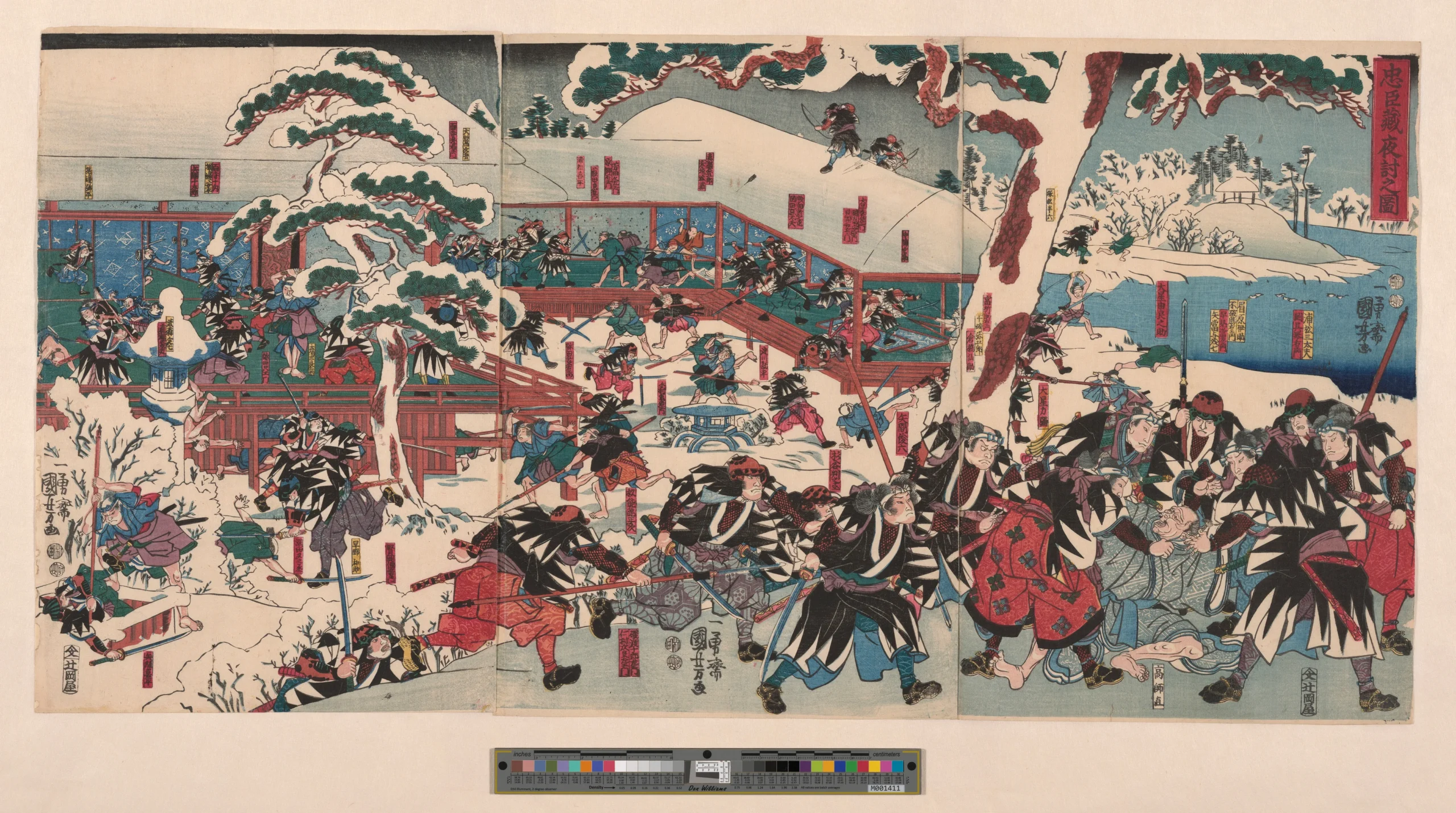
Warriors were expected to be cultured, patronising artists, hosting social gatherings at which alliances could be formed and differences resolved with rituals such as the ceremonial consumption of tea. They were bureaucrats, accountants, lawyers, merchants and invariably devout Buddhists. Samurai diplomats travelled to Europe to negotiate trade agreements, but with military skills still at the base of training. They were expected to commission, for instance, paintings of famous battles, copied over the ages as the originals faded.
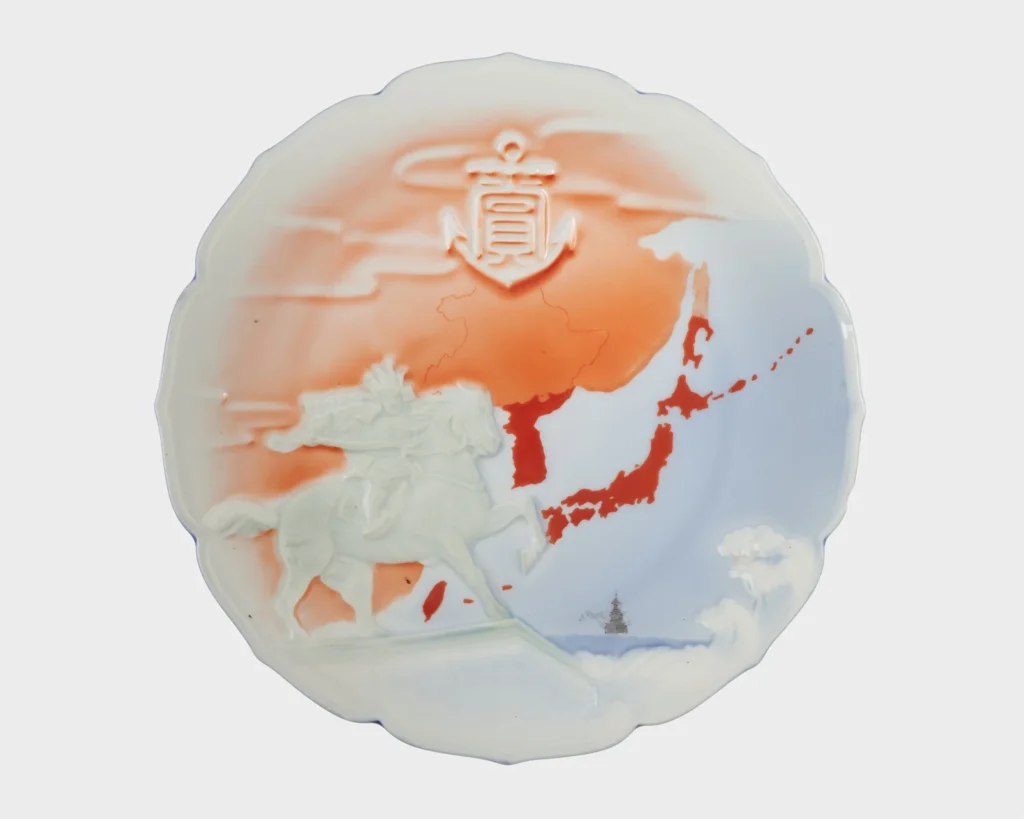
The samurai were abolished in 1871, their distinction from other members of Japanese society no longer relevant. Japan entered a period of conflict, often over the possession of Korea, and though the samurai no longer had their place in the hierarchy, their legends were used to urge soldiers towards heroism, particularly during the war of 1931 to 1945.
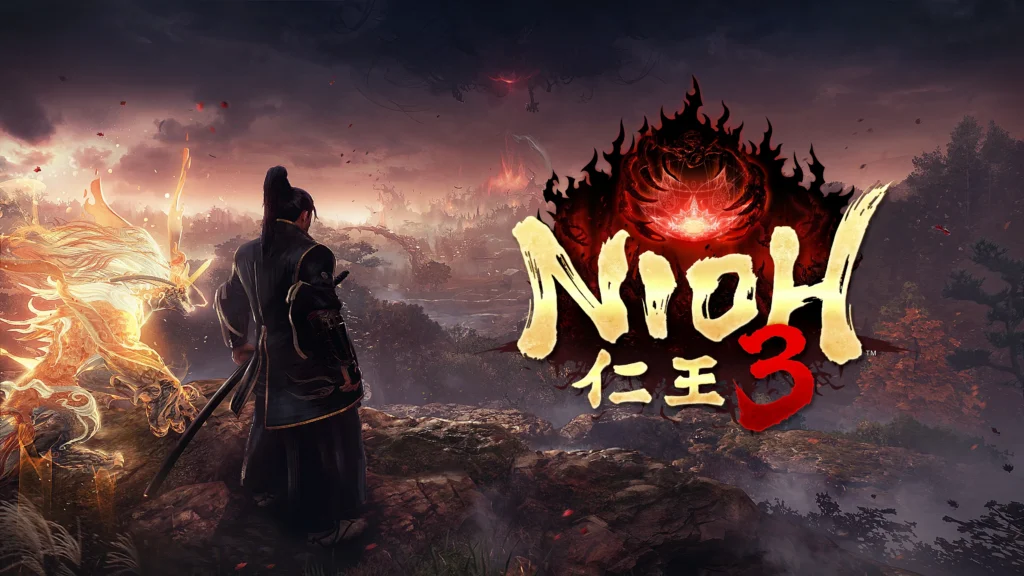
Since then, as the exhibition makes clear, the samurai myth has become a major part of entertainment and lives again through anime, manga, television and film, inspiring a Louis Vuitton fashion series and the realisation of one of cinema’s most recognisable villains, Darth Vader. The samurai may be no more, but they will never die.
Follow EyeOnLondon for thoughtful coverage of exhibitions, film and culture across London.
Samurai
British Museum , London
An exhibition exploring the history, culture and myth of Japan’s samurai through armour, art and objects.
3 February – 4 May 2026
Ticketed exhibition, prices vary with concessions available
Open daily, advance booking recommended due to high demand
Follow us on:



Subscribe to our YouTube channel for the latest videos and updates!

We value your thoughts! Share your feedback and help us make EyeOnLondon even better!