Pink Narcissus is a dreamlike cult film that refuses to explain itself

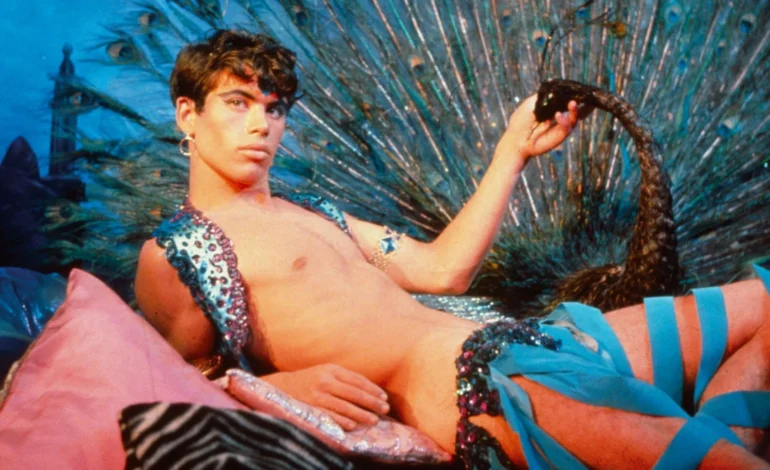
Every year we get a new batch of films that receive a 4K restoration, from cult classics to more established titles. One such film this year is Pink Narcissus, a little-seen art film from 1971 that has had a profound influence on how the gay community can be expressed on screen. Pink Narcissus was originally released without a director, writer or even a producer due to creative conflicts with the film’s editor. It took six years to make, and no one knew who was behind it until filmmaker James Bidgood was revealed as the creator in 1998, almost three decades later. Trying to pin down what Pink Narcissus is as a film can prove a tough task. It’s a silent art film surrounding a young gay hustler who has surreal homoerotic dreams, while also exploring an eerie sense of loneliness and moments of stop-motion animation. It is, simply, a lot to comprehend.
This new 4K restoration is being shown as part of the BFI’s annual Flare Festival, a London-based film festival showcasing stories about the LGBTQIA+ community. The BFI Flare has grown steadily in recent years, gaining wider recognition and allowing audiences to explore new films or rediscover those that were not given their due in the past. Pink Narcissus appears as part of the ‘Treasures’ strand of the festival, which brings together a range of queer films from across cinema history. Full festival details can be found via the BFI Flare Festival programme.
More reporting from EyeOnLondon
Film, theatre and cultural stories shaping London’s creative life.
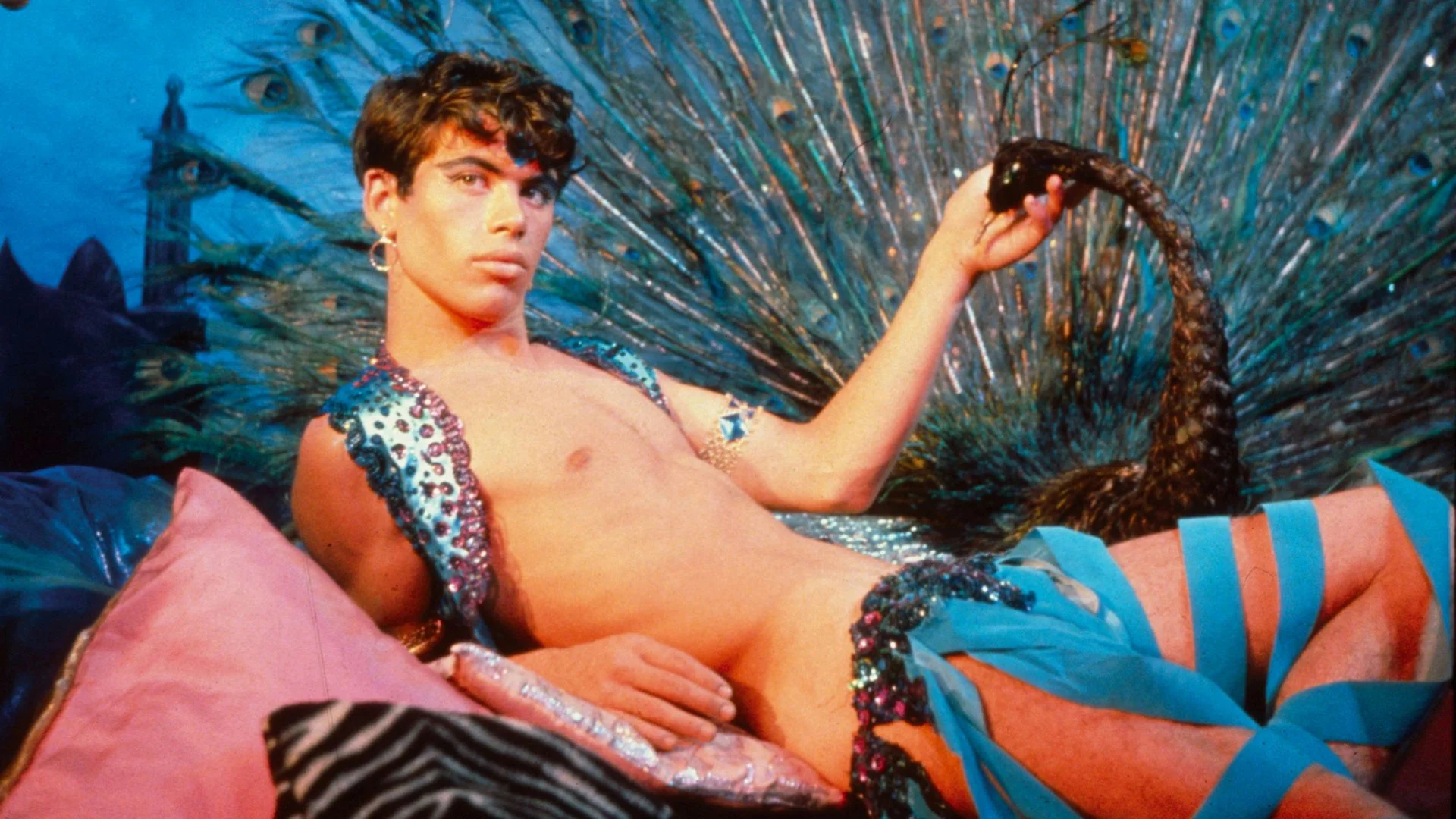
The film itself is an art film in the truest sense. We aren’t given answers to questions that are barely asked. Instead, we experience Pink Narcissus through its colourful and vivid visuals. The world of the film is ever-changing. The primary location is the apartment of the young man we follow, decorated in glittering golds and the titular pink. At other points, we are presented with a grittier atmosphere, including what appears to be a dystopian world where sexual behaviour is the norm. From scene to scene there is heavy contrast between tones, visuals and aesthetics, much like our own ordinary dreams. The film does not rely on production design or specific shot choices to communicate what is happening. Instead, it leans heavily on editing techniques such as fading and overlaying images to create an ambience that moves between a fantastical whimsy and something more unsettling.
The entire weight of Pink Narcissus rests on the shoulders of Bobby Kendall, who for much of the film is the only performer on screen. It is a demanding performance that, without dialogue, relies heavily on physicality. Kendall delivers an adequately neutral performance, conveying a sense of boredom that feeds into these sexual daydreams. Within these dream sequences of dance and performance, he takes on other roles, including a matador and a sultan, each tied to its own homoerotic fantasy or metaphor.
Pink Narcissus is a film made up of many parts, not overly concerned with forming a conventional whole, but instead focused on conveying a dreamlike fantasy aligned with the protagonist’s experience. James Bidgood applies a clear auteur vision to a homoerotic art film that becomes slightly more accessible through Kendall’s committed performance. The restoration itself is striking. It does not erase the charm of the film’s heavy grain or bold lighting choices, but instead leans into them, presenting a work that remains firmly a product of its time.
Follow EyeOnLondon for clear reporting on London, culture and the wider world.
Pink Narcissus
Directed by James Bidgood
A silent, dreamlike portrait of a young hustler drifting through surreal fantasies shaped by desire and isolation.
United States | 1971 | 68 mins | Certificate: 18
Bobby Kendall
Screenplay: James Bidgood
Cinematography: James Bidgood
Music: Gary Goch & Martin Jay Sadoff
In UK cinemas as part of BFI Flare Festival
Follow us on:



Subscribe to our YouTube channel for the latest videos and updates!

We value your thoughts! Share your feedback and help us make EyeOnLondon even better!