Artemis II crew set to orbit the Moon as London science institutions track new era of exploration


Four astronauts are preparing to take part in the first crewed mission to orbit the Moon in more than 50 years, as Artemis II marks a decisive step in the return to deep space exploration.
The mission will carry three NASA astronauts and one Canadian Space Agency astronaut aboard the Orion spacecraft, testing systems designed to support future lunar landings and longer missions beyond Earth orbit.
More reporting from EyeOnLondon
Policy, science and global developments shaping London’s wider world.
Commander Reid Wiseman will lead the crew, joined by pilot Victor Glover and mission specialist Christina Koch, alongside mission specialist Jeremy Hansen. If successful, the mission will be the first time humans have travelled around the Moon since the Apollo programme ended in 1972.
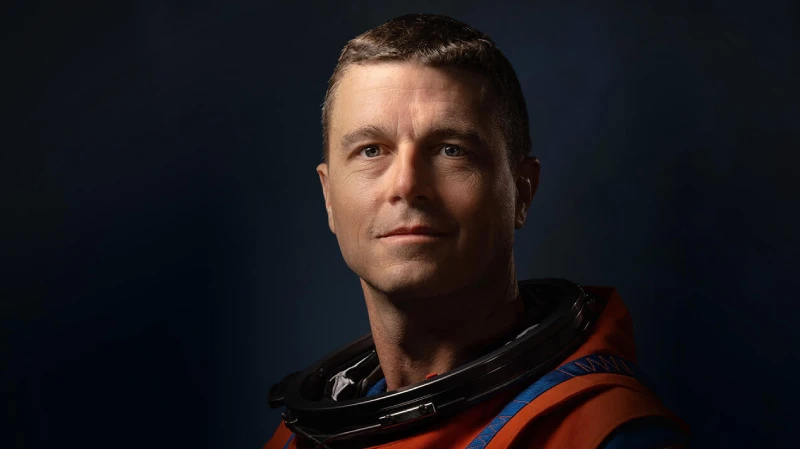
Unlike the Apollo missions, Artemis is structured as part of a long-term programme aimed at establishing sustained human presence beyond Earth. Artemis II is a test flight, but its outcome will determine the readiness of systems for future lunar landings under Artemis III and beyond.
Wiseman, a former US Navy test pilot, previously spent six months aboard the International Space Station in 2014. Christina Koch, an engineer and physicist, holds the record for the longest single spaceflight by a woman at 328 days and participated in the first all-female spacewalk. Victor Glover, also a naval aviator, served as pilot on NASA’s SpaceX Crew-1 mission and spent nearly six months in orbit. Jeremy Hansen, a Royal Canadian Air Force pilot, will become the first Canadian to travel to the Moon if the mission proceeds as planned.

The mission represents a shift in how space exploration is organised, with international collaboration forming a central part of the programme. Artemis brings together multiple space agencies, with contributions extending beyond the United States.
In London, this renewed focus on lunar exploration connects directly with public and institutional engagement in space science. The Science Museum continues to interpret both the legacy of Apollo and the emerging Artemis programme, placing contemporary missions within a longer scientific narrative. At the same time, the UK Space Agency is involved in international partnerships supporting elements of lunar exploration, reflecting Britain’s role in the wider infrastructure behind modern space missions.
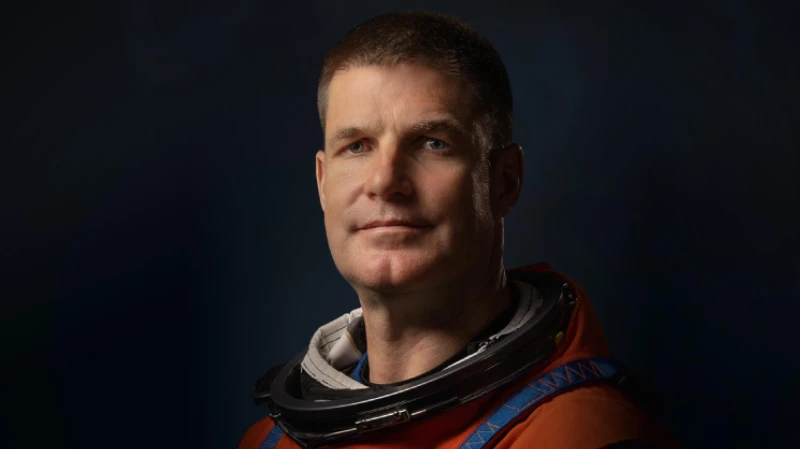
The mission also highlights the continued importance of human spaceflight as both a scientific and cultural endeavour. While Artemis II will not attempt a landing, it represents the first step in returning astronauts to the vicinity of the Moon, with future missions expected to extend human presence on the lunar surface.
For the crew, the mission carries operational risk alongside its technical objectives. Travelling far beyond low Earth orbit removes the possibility of rapid return and introduces new challenges in communication and system reliability. NASA has described Artemis II as a critical proving ground before committing astronauts to future lunar landings.

More broadly, the mission reflects a renewed global interest in space exploration, with governments and institutions investing in technologies that may shape the next phase of human activity beyond Earth.
Stay connected with EyeOnLondon for thoughtful journalism on London, culture and global affairs.
[Image credit | NASA]
Follow us on:



Subscribe to our YouTube channel for the latest videos and updates!

We value your thoughts! Share your feedback and help us make EyeOnLondon even better!