UK moves to intercept Russian shadow fleet vessels in British waters

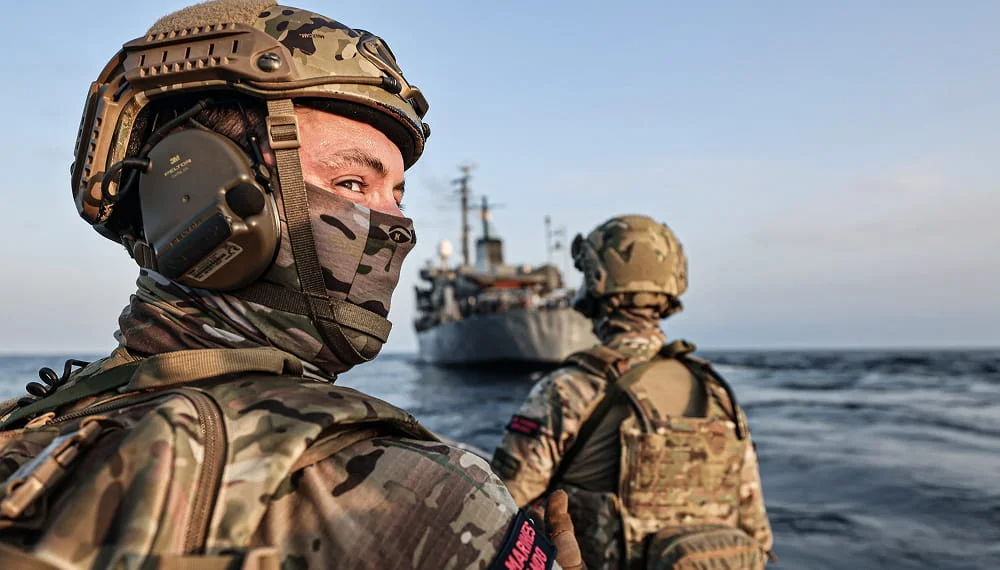
Royal Marines Commandos will be authorised to board and halt suspected Russian shadow fleet vessels passing through UK waters, as the government steps up efforts to enforce sanctions linked to the war in Ukraine.
The decision, approved by Keir Starmer, forms part of a wider approach agreed with northern European allies aimed at restricting the movement of ships used to bypass international sanctions, as outlined in recent UK government updates.
More reporting from EyeOnLondon
Policy, science and global developments shaping London’s wider world.
The move was confirmed as the Prime Minister travelled to Helsinki for a summit of the Joint Expeditionary Force, a defence grouping of ten northern European countries including the UK, Denmark, Finland and Sweden.
The coalition has increasingly focused on maritime security, particularly in response to the continued use of what has become known as Russia’s shadow fleet. The vessels, often ageing tankers operating under different flags, are used to transport oil and other goods while avoiding Western restrictions imposed after the invasion of Ukraine.
Recent activity by allied countries has already seen suspected ships intercepted in the Baltic Sea, with Finland, Sweden and Estonia taking part in operations aimed at monitoring and disrupting these routes.
Extending that approach to British waters is intended to limit the fleet’s options further, forcing vessels onto longer routes or exposing them to interception.
British forces have already been involved in similar operations alongside international partners. Earlier this year, UK support contributed to the seizure of an oil tanker by the United States, while Royal Navy vessels have assisted in tracking and shadowing sanctioned ships moving through key maritime corridors.
The Joint Expeditionary Force summit is expected to focus on security across northern Europe and the High North, alongside continued coordination over the war in Ukraine.
The Prime Minister said the UK would intensify efforts against vessels attempting to evade sanctions, linking the strategy to wider concerns about global instability and energy markets.
Opposition figures have backed the principle of restricting sanctioned ships but raised concerns about defence resourcing, arguing that enforcement must be matched by sustained investment in the armed forces.
The measures reflect a broader shift towards more direct maritime enforcement, as European countries look to tighten pressure on Russia’s energy exports and the networks that sustain them.
For more reporting on London and the decisions shaping the wider world, follow EyeOnLondon.
[Image credit | Royal Navy]
Follow us on:



Subscribe to our YouTube channel for the latest videos and updates!

We value your thoughts! Share your feedback and help us make EyeOnLondon even better!