Epping Forest visitors urged to protect bluebells before spring bloom

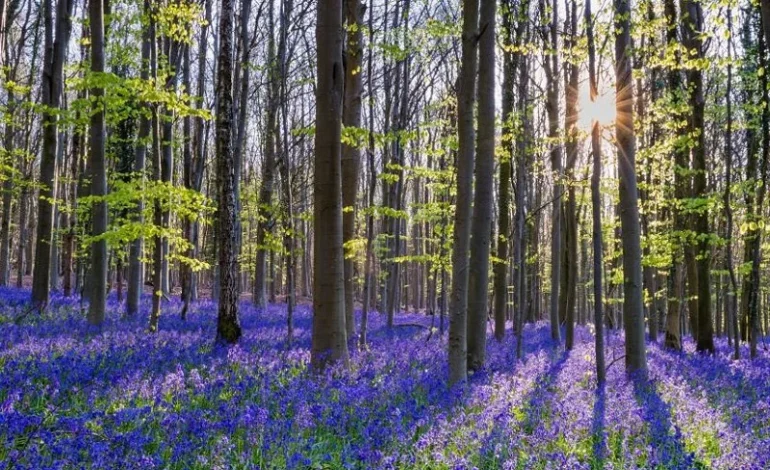
Visitors to Epping Forest are being urged to take care as bluebells begin developing beneath the soil ahead of the spring bloom, with conservation experts warning that even light trampling can cause lasting damage.
Although the flowers are not yet visible, their bulbs are already forming underground in areas such as Chalet Wood. These early growth stages are fragile, and damage at this point can prevent the plants from flowering not just this year, but in future seasons.
More reporting from EyeOnLondon
Policy, science and global developments shaping London’s wider world.
The warning comes as thousands of visitors are expected to return to the Forest in the coming months. Each year, the bluebell displays attract large numbers of people, particularly in Wanstead Park, where the woodland becomes one of the most photographed natural landscapes in the region.
Epping Forest, which stretches from Manor Park to Epping and covers around 8,000 acres, is one of the last extensive areas of ancient woodland near London. It holds national and international conservation status, including designation as a Site of Special Scientific Interest and a Special Area of Conservation.
The woodland is managed by the City of London Corporation, which is responsible for protecting its habitats as part of its charitable role. Across London and the surrounding region, the organisation maintains thousands of acres of green space, much of it open to the public.
Bluebells are legally protected in the UK under the Wildlife and Countryside Act 1981, reflecting their ecological importance and sensitivity. The UK is home to a significant proportion of the world’s bluebell population, making sites such as Epping Forest particularly important for conservation.
Experts say that even a single footprint can crush emerging leaves beneath the surface, weakening the plant and affecting its ability to store energy. Over time, repeated disturbance can reduce the density of bluebell coverage across entire areas of woodland.
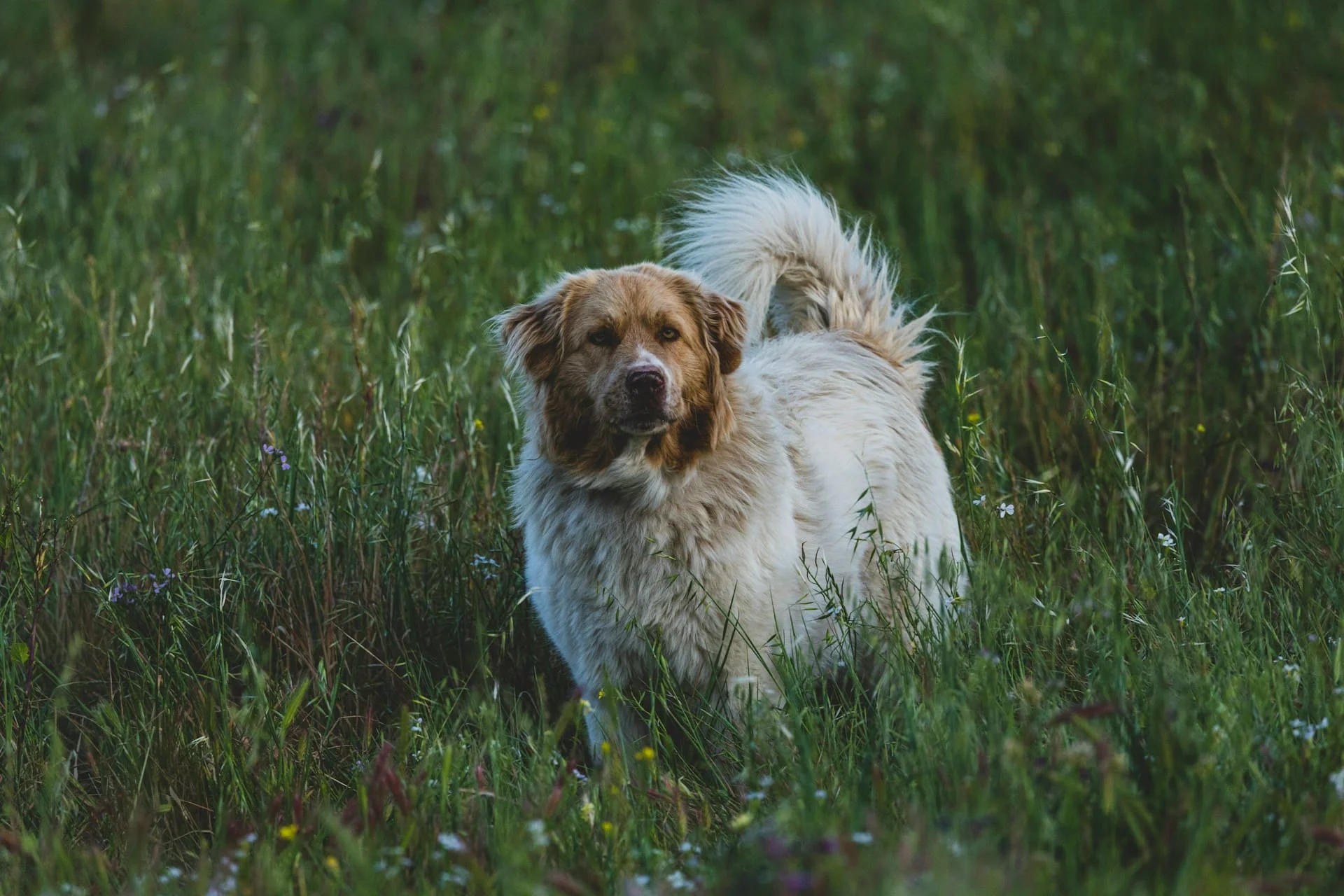
Visitors are being asked to remain on designated paths, avoid stepping into marked habitat areas, and not to pick the flowers once they appear. Dogs should also be kept under control to minimise damage to sensitive ground.
As spring approaches, the bluebells of Epping Forest will again draw large crowds. Whether they return in full depends, in part, on how carefully the woodland is treated in the weeks before they emerge.
Follow EyeOnLondon for clear reporting on London, culture and the wider world.
Follow us on:



Subscribe to our YouTube channel for the latest videos and updates!

We value your thoughts! Share your feedback and help us make EyeOnLondon even better!