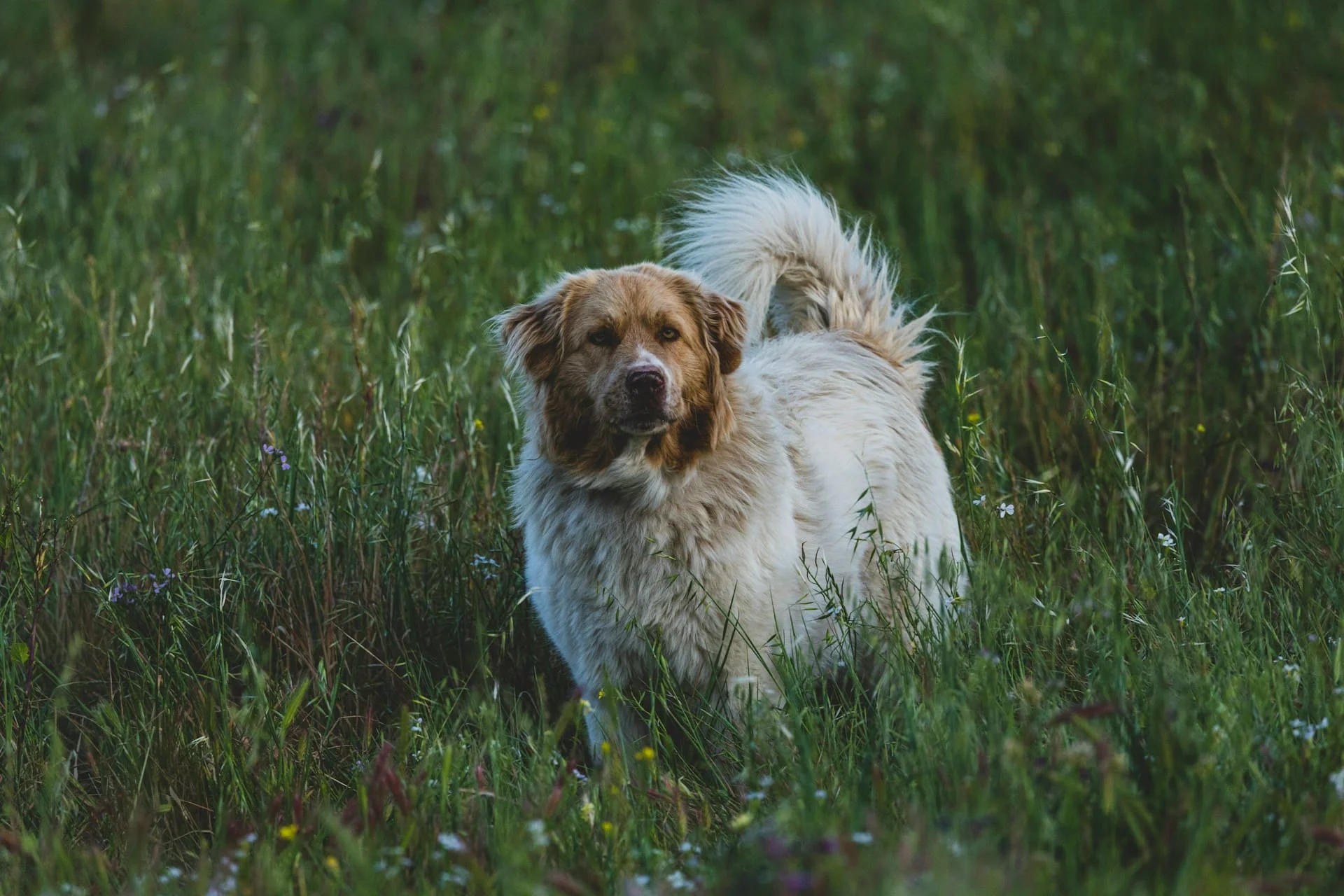
Dogs became “man’s best friend” earlier than previously thought

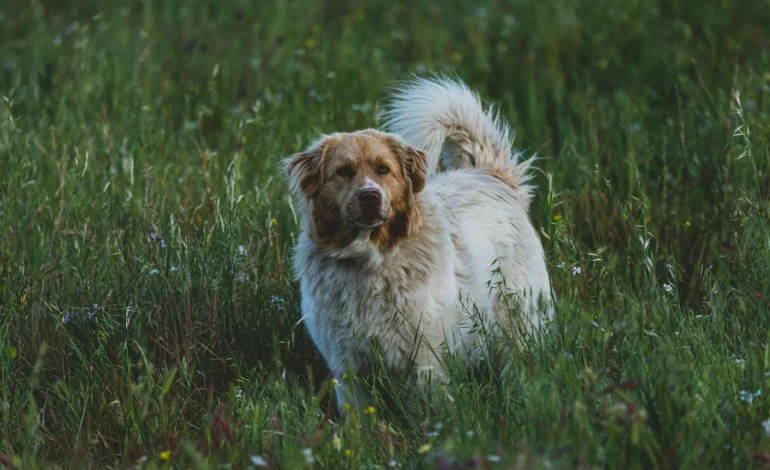
A jawbone fragment discovered underground in a Somerset cave has made researchers reconsider how and when dogs became “man’s best friend.” DNA analysis revealed that the fragment belonged to one of the earliest known domesticated dogs and that it lived closely with people in Britain 15,000 years ago.
This pushes the timeline of the animals’ domestication from wolves by around 5,000 years ago. It also suggests, according to Dr William Marsh of the Natural History Museum, that this relationship with stone age humans had been there from the beginning.
“It shows that by 15,000 years ago dogs and humans already had an incredibly tight, close relationship, and this tiny jawbone, which seems like such a small thing, has helped to unlock the whole human story of how that partnership began,” Dr Marsh said.
The first domesticated dogs were descended from wolves which would linger close to human camps at the end of the Ice Age, going to eat any leftovers. Over time, they became tamer and would hunt alongside humans, as well as working to guard and help track.
Generations later, they evolved into a very different animal, eventually diversifying into the many breeds we know today.
The discovery from March was made by accident during his PhD project. The jawbone fragment was discovered in the 1920s in Gough’s cave in Cheddar Gorge, best known for storing cheese. The fragment remained in a museum drawer for decades, believed to have been an unremarkable specimen. Marsh would go on to carry out a genetic analysis, discovering that it belonged to a dog and not a wolf, providing evidence that the domestic animals lived millennia earlier than previously thought.
Stay tuned to EyeOnLondon for the latest news and expert opinions.
Follow us on:



Subscribe to our YouTube channel for the latest videos and updates!

We value your thoughts! Share your feedback and help us make EyeOnLondon even better!