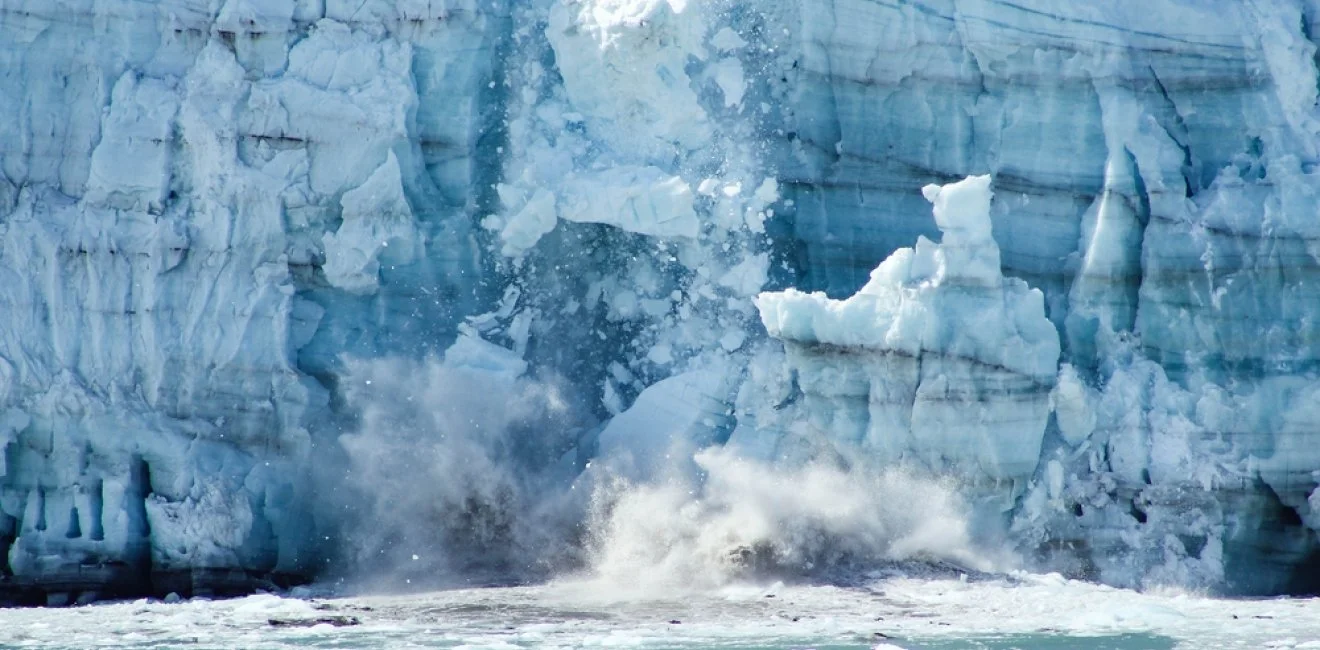
Arctic landfast ice declines as seasons shorten along Alaska coast

A form of sea ice that has long shaped life along Alaska’s northern coastline is now forming later and disappearing sooner, according to new research based on nearly three decades of data.
Known as landfast ice, this stable ice remains attached to the shore rather than drifting with winds and currents. It plays a direct role in how coastal communities move, work and protect their surroundings. Scientists have now found that both its duration and extent have reduced in recent years.
More reporting from EyeOnLondon
Policy, science and global developments shaping London’s wider world.
The study, led by researchers at the University of Alaska Fairbanks, analyses data from 1996 to 2023 across the Chukchi and Beaufort seas. It shows a clear shortening of the landfast ice season, driven largely by later freeze-up in autumn.
In the Chukchi Sea, the season has shortened by 57 days over the study period. In the Beaufort Sea, where conditions had remained relatively stable for decades, the ice season has reduced by 39 days. The shift marks a wider change across Arctic coastal regions.
Landfast ice has a practical function. It provides routes for travel to hunting and fishing areas and supports seasonal ice roads used for accessing infrastructure. It also acts as a natural barrier, limiting wave impact on shorelines and allowing river water to extend further offshore.
The shortening of the season changes these conditions. Later formation leaves coastlines exposed for longer periods, while less stable ice makes travel more uncertain.
The findings suggest that delayed freeze-up is a key driver. Even as air temperatures fall below freezing in autumn, the ocean is retaining heat for longer, preventing ice from forming along the coast at the same pace as in previous decades.
Researchers also point to changes in how the ice anchors itself. Landfast ice often relies on grounded ridges, built up through pressure, to remain fixed. Thinner ice reduces the likelihood of these ridges forming, weakening the structure overall.
In the Beaufort Sea, the extent of landfast ice has also reduced. It no longer reaches as far offshore as it once did, indicating a broader shift in how ice forms and stabilises in the region.
The research, published in the Journal of Geophysical Research: Oceans, builds on earlier work and suggests that landfast ice is now following the wider pattern of decline seen across the Arctic.
Questions remain about the precise mechanisms behind these changes. Researchers note uncertainty over whether thinner ice is preventing ridge formation, or whether the processes that create those ridges are no longer occurring in the same way.
What is clear is the outcome. A system that once followed a more predictable seasonal pattern is becoming less stable, with direct consequences for the communities and coastlines that depend on it.
For more reporting on London and the decisions shaping the wider world, follow EyeOnLondon.
Follow us on:



Subscribe to our YouTube channel for the latest videos and updates!

We value your thoughts! Share your feedback and help us make EyeOnLondon even better!