Island Passage from Madeira to Cape Verde

Canaries and Cape Verde Cruise
Famous for its cake, fortified wine, Cristiano Ronaldo and hazardous airport, the island of Madeira was where I was meeting my cruise ship. On the approach to Funchal airport we were flying so low between the mountains that we could see into people’s homes perched on the nearby hillsides.
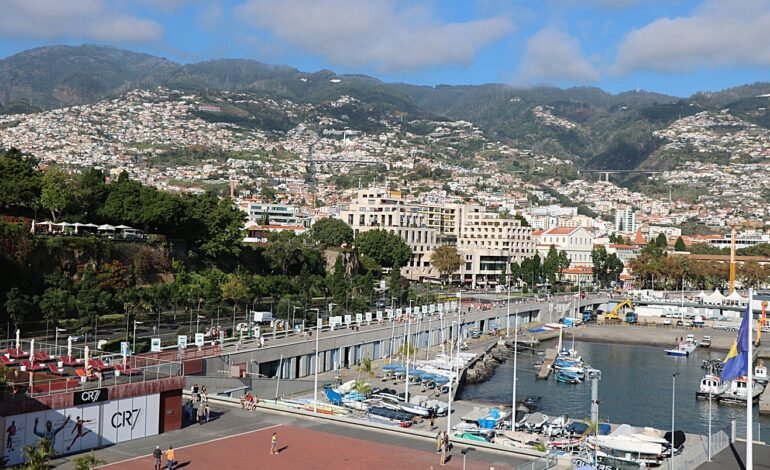
Later, I enjoyed the great views from ground level on my twenty-minute drive from the airport to the picturesque port where Spirit of Adventure was waiting. The port and neighbouring marina were full of small boats and surrounded by gorgeous scenery, plus a statue of the island’s famous footballer. There’s even a museum dedicated to him on the dockside.
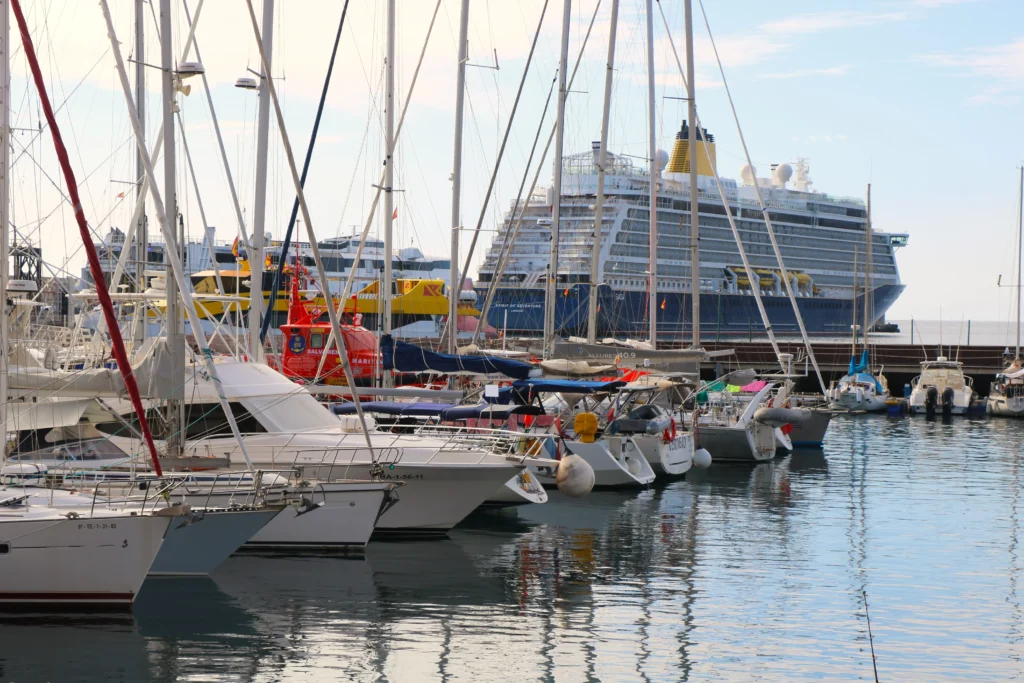
After a late lunch I enjoyed a walk along the promenade in Funchal’s warm November sunshine, with its small cafes and great views. Then it was time for dinner and an early night. Meanwhile, Spirit of Adventure set off for Santa Cruz, La Palma, where we arrived early the next morning. It was Sunday and the town was full of people strolling along the pedestrian main street, sitting outside with drinks, enjoying ice creams and checking out shops which were full of inexpensive but stylish and unusual items, such a contrast to the ubiquitous high streets in the UK.
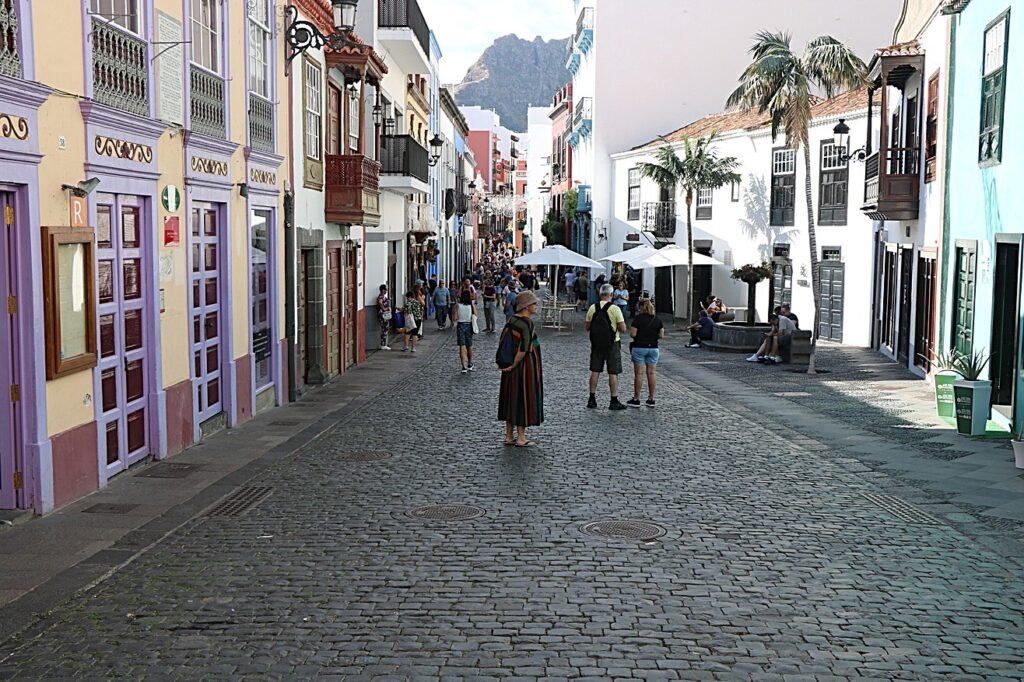
After a relaxing day, a little light shopping and a swim in the ship’s pool, another overnight sail took us to La Gomera, one of the smaller Canary Islands. Its tiny, tranquil capital, San Sebastian, has a pedestrianised centre next to the marina and is easily explored on foot; gentle exercise in the sunny weather.
The Ship
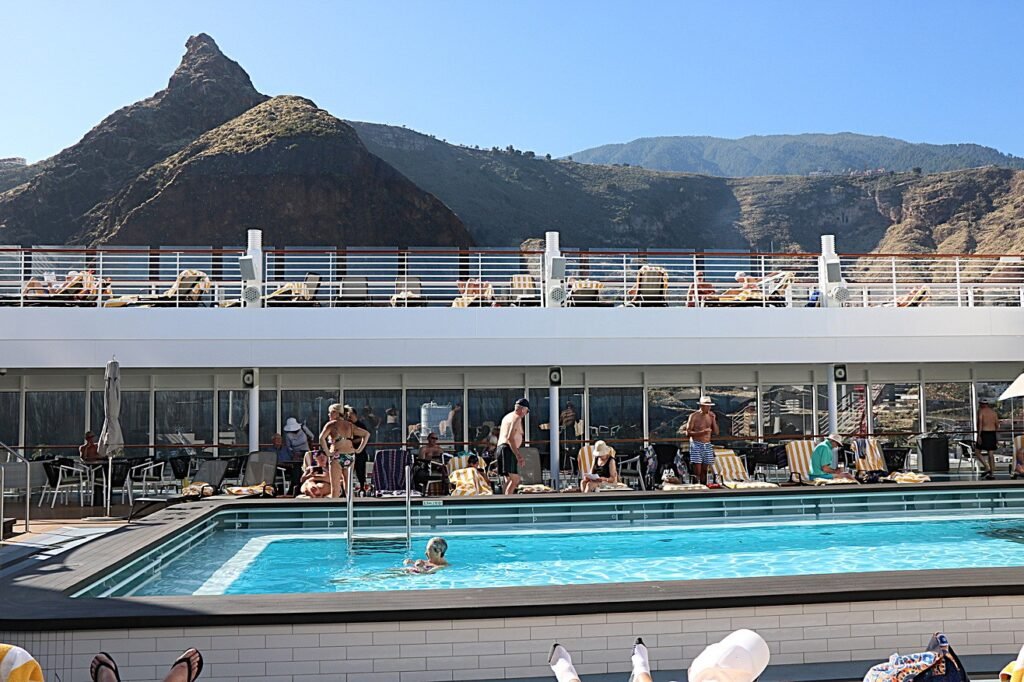
Then it was time to sail south to Cape Verde, a group of ten islands four hundred miles off the coast of Senegal and The Gambia. A couple of sea days gave me a chance to explore the ship and the amazing number of things, usually attracting extra charges, which are included in the fare.
Spirit of Adventure accommodates under one thousand passengers in 554 balcony cabins, 100 of which are designed for single occupancy. The standard facilities include a gym, fitness centre, theatre, main dining room and buffet which, in the evenings, transforms into a peaceful table-service restaurant.
More reporting from EyeOnLondon
Travel, destinations and places worth discovering.
There were also three speciality restaurants offering top-class cuisine. Amalfi, as its name implies, is an Italian restaurant serving both traditional favourites and more unusual dishes. The Supper Club is an intimate location with musical entertainment offering some of the best steaks I have ever tasted. I also enjoyed visits to Khukuri House, a Nepalese restaurant with a great ambience and an enticing range of food. All three speciality restaurants are included in the fare.
There was a library, craft room and card room providing onboard activities, and numerous bars to enjoy relaxing drinks which are also included in the price, as are travel insurance, door-to-door transport, high-speed Wi-Fi, gratuities and some shore excursions.
Cape Verde
When the Portuguese first came to Cape Verde in the fifteenth century the islands were uninhabited. Shortage of water and barren landscapes made for a difficult way of life, but things have progressed since then.
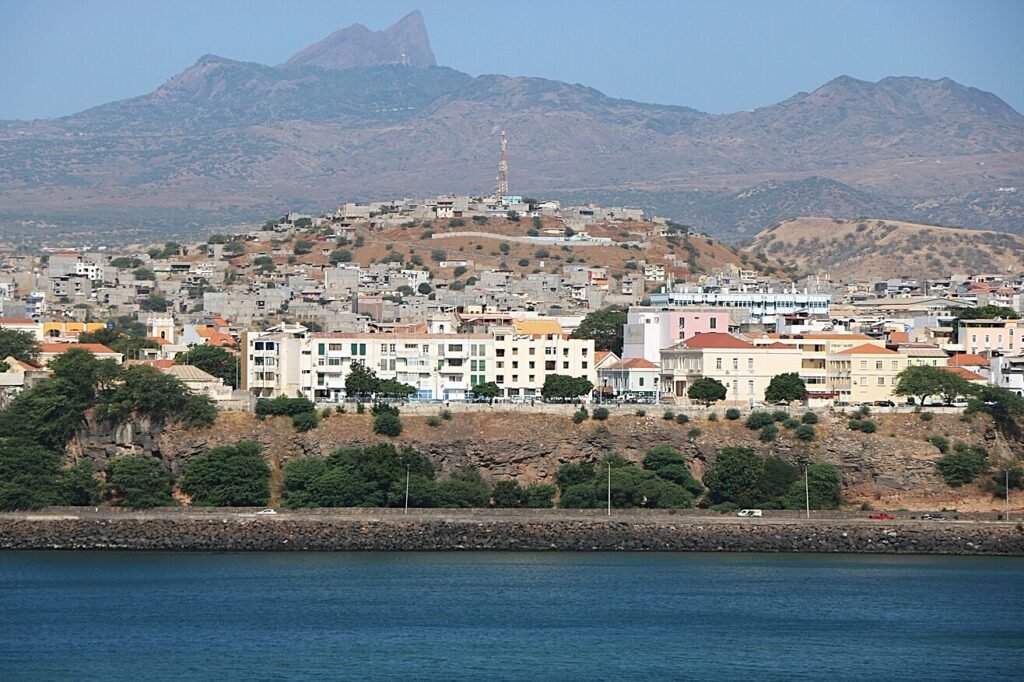
Our first port of call was the island of Santiago, home to Praia, the country’s capital. It boasts three universities and the national library. It has a number of colonial buildings and is very much the country’s commercial and cultural hub. With more rainfall than the other islands, the interior gives it a much greater diversity of flora and fauna and there are plenty of trees, unlike the holiday island of Sal where the ‘trees’ are mainly mobile phone masts in disguise. Santiago also has an airport, although it is not as busy as the one on Sal which handles international holiday flights from the UK and Portugal.
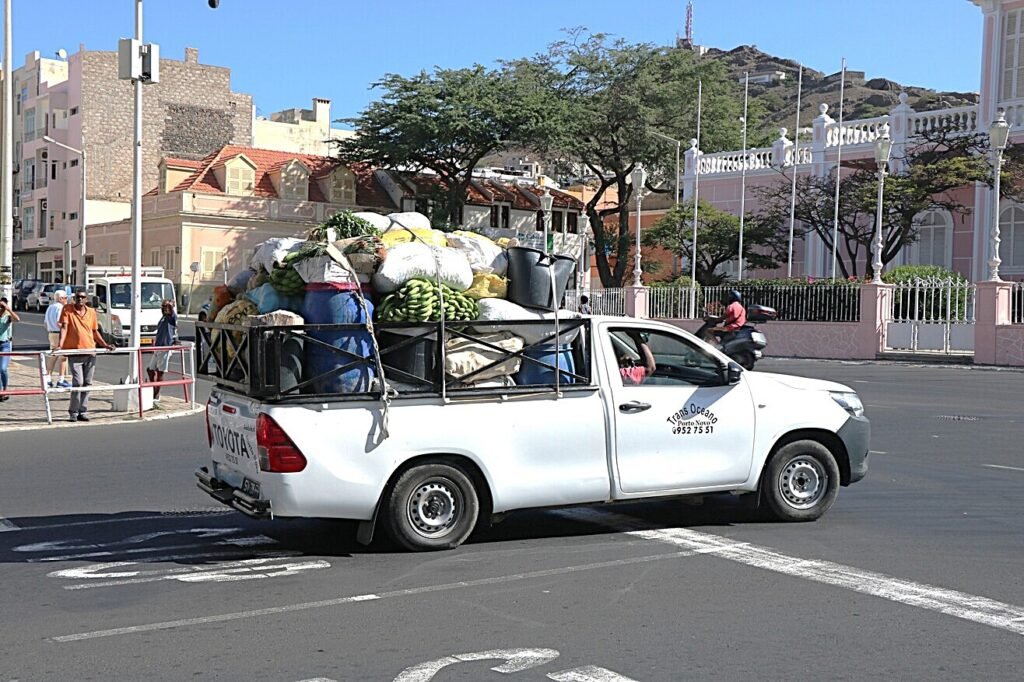
Another overnight sailing found us in busy Mindelo on the island of Sao Vicente. Heavy traffic, crowded streets, fishermen selling their wares and multiple shops and bars give it a metropolitan feel with a strong African vibe, its focus being on island rather than tourist trade. The town beach proved popular with locals and just a few visitors.
Then it was a two-day sail back to the Canaries. I popped up to the top deck to chat to one of the four people on board from ORCA, the charity that carries out whale and dolphin sightings. The three decades of data they have gathered has led to better protection for whales and dolphins and Saga supports this activity by offering places to members on certain cruises.
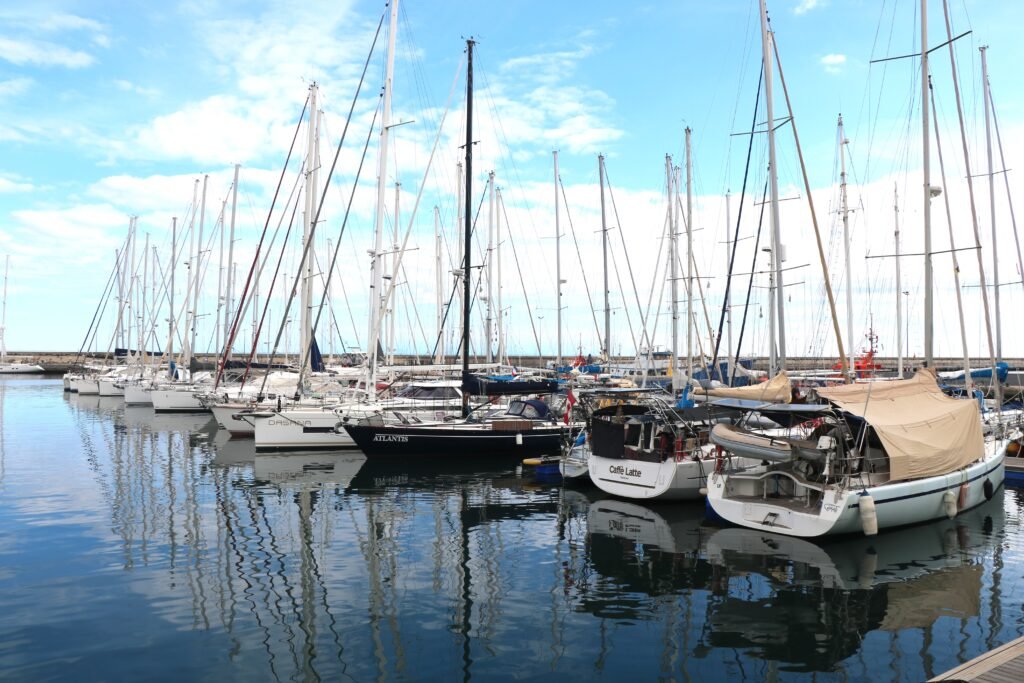
Our next port of call was Santa Cruz de Tenerife, the island’s capital and originally capital of all the Canary Islands. Since 1927 it has shared this honour with Las Palmas in Gran Canaria. Although a major business hub, Santa Cruz is an elegant and relaxed city with a large marina crammed with yachts. Again the shops were filled with stylish and attractive items we don’t see at home.
Returning to the ship and my final night on board, we sailed to Lanzarote where, next morning, I enjoyed my final delicious breakfast before heading off to the airport and my flight home.
Fact Box
Cruise
Canaries and Cape Verde itinerary aboard Spirit of Adventure
Duration
Typically 14–16 nights, depending on sailing
Departure point
UK departures available, including Southampton
Ports of call
Madeira, La Palma, La Gomera, Tenerife, Lanzarote, Santiago and São Vicente
Ship
Spirit of Adventure
Capacity: under 1,000 passengers
All-balcony cabins, including single occupancy options
What’s included
Full board dining, speciality restaurants, drinks, gratuities, Wi-Fi, travel insurance, selected excursions and door-to-door transport
On board
Theatre, fitness centre, library, craft room, restaurants and bars
Best time to travel
Autumn to spring for mild temperatures and winter sun
Further information
travel.saga.co.uk/cruises
0800 096 0079
For more travel writing and considered journeys beyond London, follow EyeOnLondon.
Follow us on:



Subscribe to our YouTube channel for the latest videos and updates!

We value your thoughts! Share your feedback and help us make EyeOnLondon even better!