Shipwrecks crime crackdown guidance launched

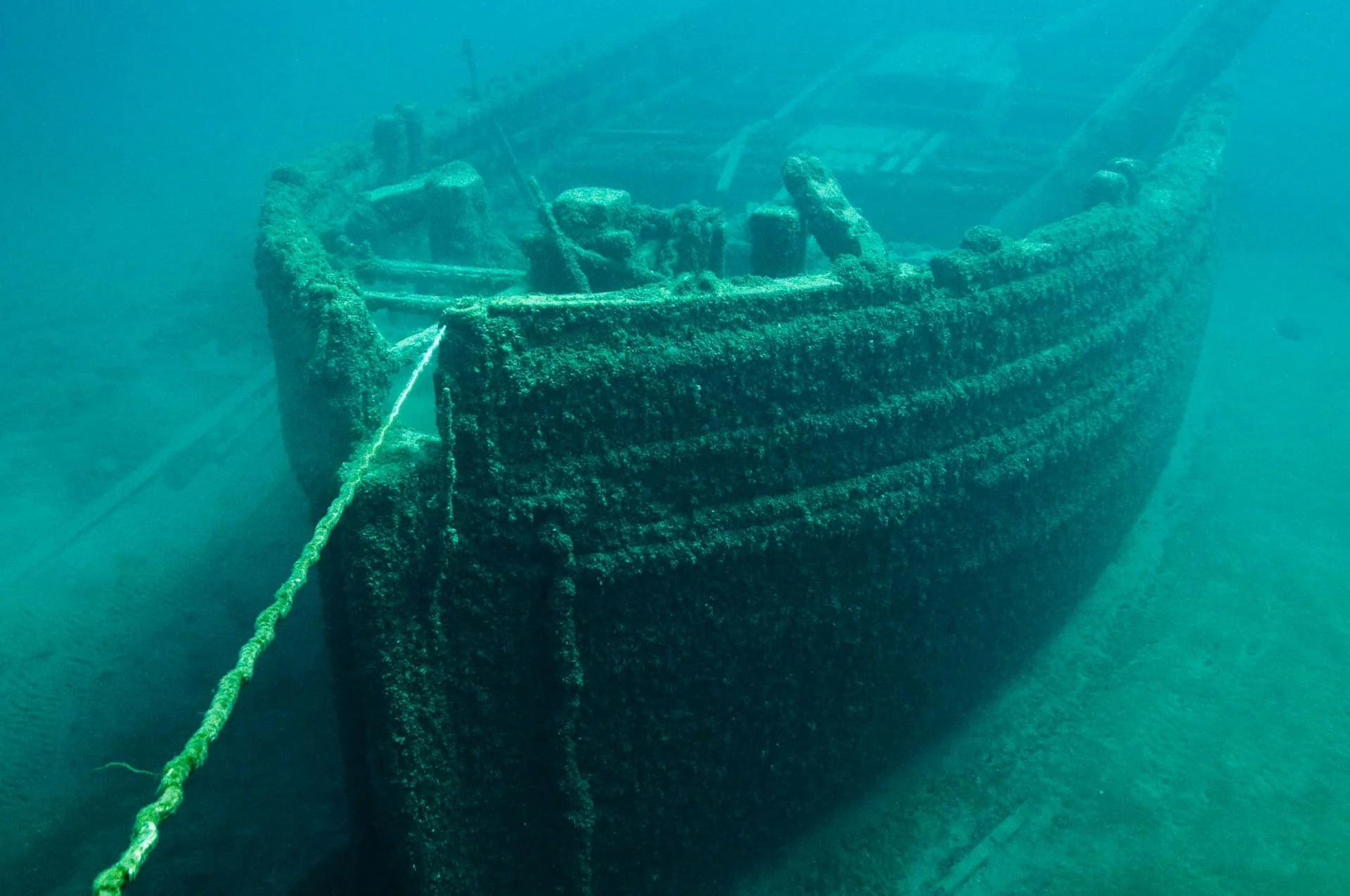
Police have dubbed a new call for crackdowns on heritage crimes at sea and to protect historically and nationally important shipwrecks as “truly pioneering.”
Historic England and the University of Plymouth created new national guidance, aiming to act as a legal toolkit for authorities in tackling underwater crime.
Over half of the 57 nationally important shipwrecks are in remote locations. Many of them are around the coasts of Cornwall and Devon, and show signs of interference that often goes unnoticed according to the university.
The manual has been a “game-changer” in helping to crack down on illegal dumping, Sgt Julian Fry, from Devon and Cornwall Police said, adding that “this is truly pioneering work.”
The Common Enforcement Manual was developed by Professor Jason Lowther and visiting Professor Mike Williams from the School of Law, Humanities and Social Sciences in the University of Plymouth. They worked with senior consultant working for Marine Safety Data Sheet Marine, Beccy Austin.
The guidelines, according to Professor Lowther, are “a major milestone in the protection of our rich underwater cultural heritage,” adding that they are an “unprecedented piece of joined-up action,” including protocols, legal advice, clear communication routes between agencies.
It aims to provide the government, fishery bodies, and the police “eyes and ears” that they would need at sea, he added.
Heritage crimes, such as thefts from shipwrecks, are often only spotted after a post on social media or when listed for sale, making it harder for enforcement. Sometimes, a person may not even know that they damaged something with any historical significance.
Stay tuned to EyeOnLondon for the latest news and expert opinions.
Follow us on:



Subscribe to our YouTube channel for the latest videos and updates!

We value your thoughts! Share your feedback and help us make EyeOnLondon even better!