Al Quds march banned by police amid disorder fears

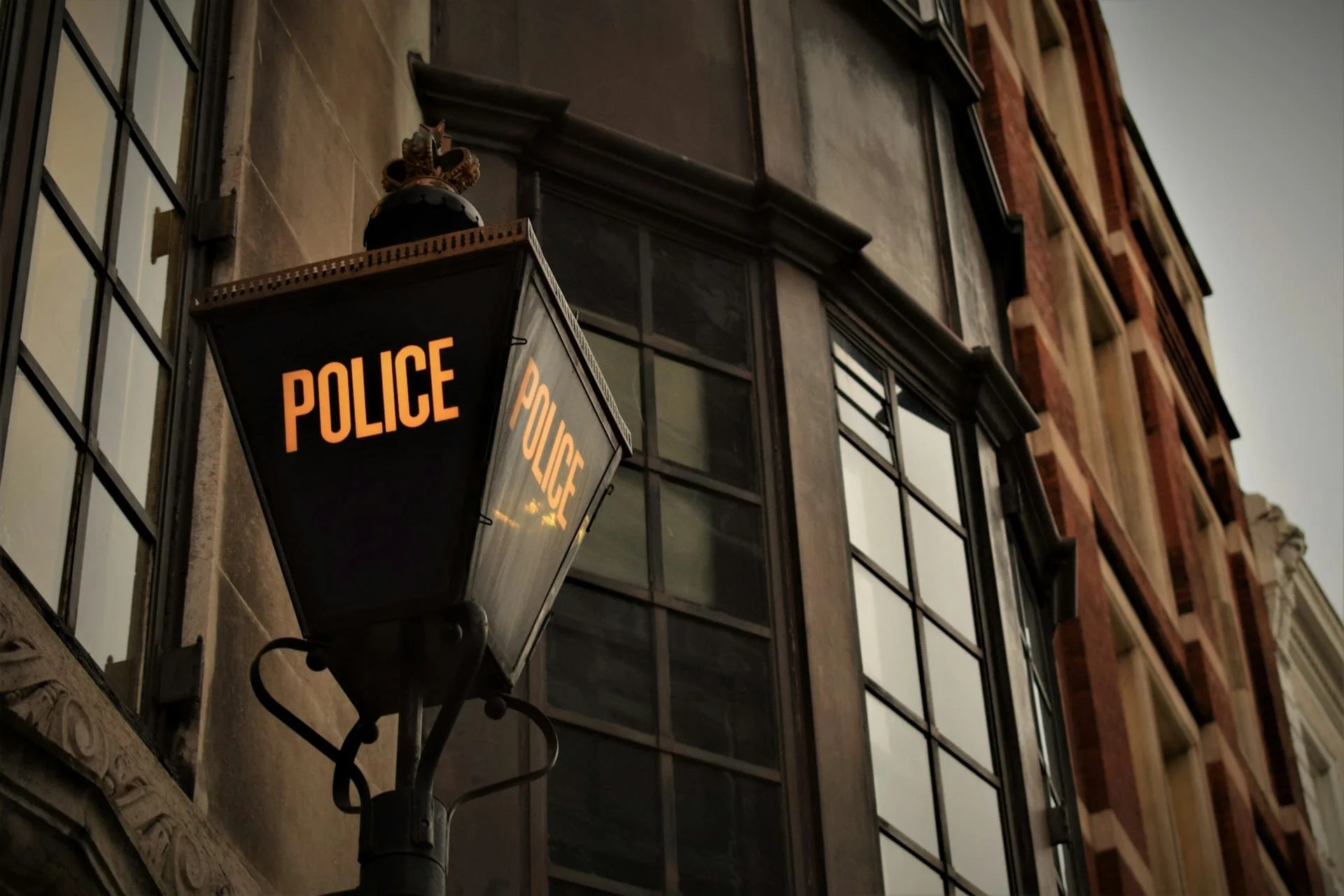
The Metropolitan Police has banned a planned pro-Iran march in London, citing a “severe” risk of public disorder and heightened tensions linked to the ongoing conflict in the Middle East.
The annual Al Quds march, organised by the Islamic Human Rights Commission (IHRC), had been scheduled to take place in the capital on Sunday. Police said the decision followed concerns over potential clashes between demonstrators and counter-protesters, alongside intelligence warnings about threats linked to Iran.
According to a police statement, the threshold to prohibit a protest is high and the power has not been used in London since 2012. Officers concluded that conditions placed on the event would not sufficiently reduce the risk of serious disorder. The ban applies not only to the march itself but also to associated counter-protests.
Police said their assessment took into account the “volatile situation” in the Middle East and recent actions by the Iranian regime against Western allies and military bases in the region.
Security officials have also warned about threats posed by Tehran on UK soil. Counter-terrorism police recently arrested four men suspected of assisting Iranian intelligence services with surveillance of individuals and locations linked to London’s Jewish community.
Previous Al Quds marches have led to arrests for alleged support of proscribed organisations and antisemitic hate crimes.
The Metropolitan Police said the decision was based solely on risk assessments surrounding the planned protest and expected counter-demonstrations.
The IHRC said the march was intended to demonstrate support for “Palestinian liberation” and criticised the police decision. In a statement, the organisation said it “strongly condemns” the ban and would seek legal advice.
Although the procession has been prohibited, organisers said they intend to hold a static assembly instead. Police said any such gathering would be subject to strict conditions.
UK law allows police to prohibit a public procession if they believe serious disorder cannot be prevented through standard conditions under the Public Order Act. These powers require approval from the Home Secretary and are rarely used. The ban marks the first time in more than a decade that such powers have been applied to a protest in London.
Authorities said an increased police presence would be deployed across the capital over the weekend as tensions remain high.
Stay tuned to EyeOnLondon for the latest news and expert opinions.
Follow us on:



Subscribe to our YouTube channel for the latest videos and updates!

We value your thoughts! Share your feedback and help us make EyeOnLondon even better!