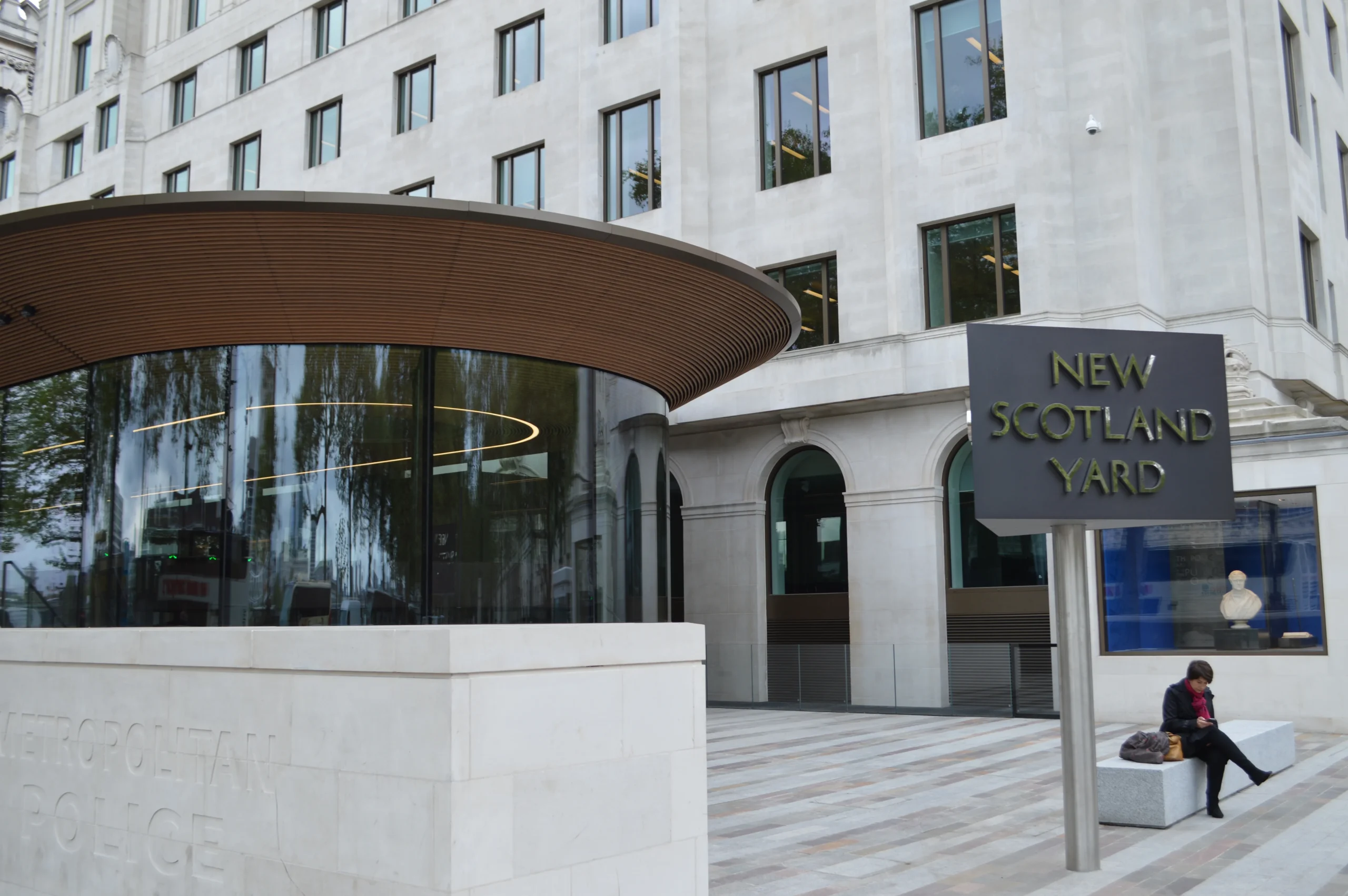
Westminster Sets a New Course on Climate and Housing

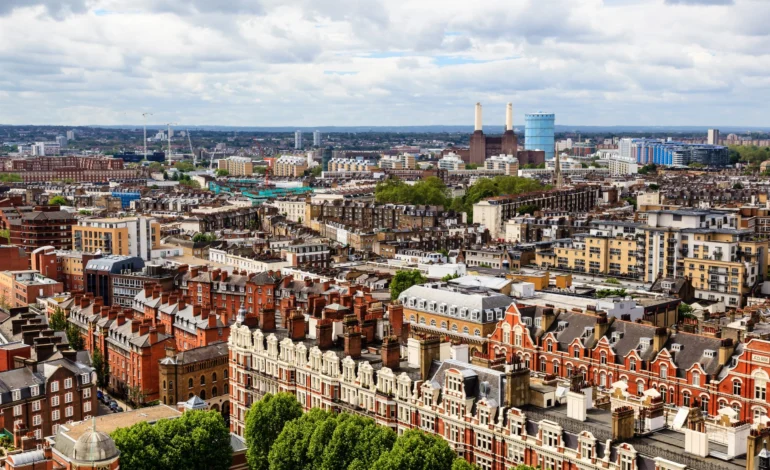
Westminster City Council has published its City Plan Partial Review, a detailed update to local planning policy that places the Westminster Retrofit First policy at the centre of decisions on development, climate responsibility and housing delivery. The document follows three years of consultation with residents, businesses, developers and local organisations, and sets out a clearer framework for how one of London’s most intensively developed boroughs intends to change.
The review introduces a firm change in emphasis. Developers will now be expected to demonstrate that they have properly explored adapting and upgrading existing buildings before applying for demolition and redevelopment. The council describes this as a retrofit-first, rather than retrofit-only, approach, recognising that some buildings cannot reasonably be reused, while ensuring that demolition is no longer the default option.
Westminster — More from EyeOnLondon
Three recent reads to keep you exploring the borough and its neighbourhood stories.
Green plaque at Lancaster Gate celebrates football heritage
A small marker with a big local story, and why it matters to the area’s sporting memory.
Read the storyMore Westminster stories
North Paddington youth plan revealed by Westminster
What the plan is trying to do, who it is for, and what residents will want to watch next.
Read the storyMore Westminster stories
City walk and talk: Square Mile
A guided way into London’s civic heart, with details that reward anyone who likes to look closer.
Read the storyMore Westminster stories
This change reflects the scale of the challenge Westminster faces. The council estimates that around 90 per cent of its total carbon emissions come from the built environment, far higher than the national local authority average. Retaining existing structures and improving their performance significantly reduces embodied carbon, an approach increasingly supported by professional bodies such as the Royal Institute of British Architects and reflected in international best practice.
Early monitoring suggests the policy is already influencing outcomes. In the first half of 2025, Westminster’s sustainability team assessed the carbon performance of 19 planning schemes, delivering more than 143,000 square metres of new and refurbished office, hotel and retail space. Through closer collaboration with applicants, the council reports a 24 per cent reduction in construction-related emissions compared with typical schemes assessed when the policy was introduced in 2023. This reduction amounts to an estimated 27,500 tonnes of carbon dioxide, equivalent to the annual energy use of nearly 3,700 homes.
The City Plan Partial Review also strengthens requirements around affordable housing. In new developments, the proportion of affordable homes delivered as social rent will increase from 40 per cent to 70 per cent, with intermediate housing reduced from 60 per cent to 30 per cent. For the first time, developments of fewer than ten homes will be required to contribute towards affordable housing provision, extending obligations that previously applied only to larger schemes.
Alongside policy changes, the review identifies four major sites with capacity for mixed-use development: St Mary’s Hospital, Westbourne Park Bus Garage, land close to Royal Oak, and Grosvenor Sidings. These allocations are intended to provide clearer planning guidance for landowners and developers, supporting new homes, employment space and public realm improvements, as well as plans for a new St Mary’s Hospital, a project with wider significance for central London’s healthcare infrastructure. More information on the hospital and its role can be found via St Mary’s Hospital London.
Cllr Geoff Barraclough, Cabinet Member for Planning and Economic Development at Westminster City Council, said the review brings focus to the borough’s most pressing priorities.
“The City Plan Partial Review focuses our efforts on the most important challenges facing Westminster: tackling the climate crisis and delivering more genuinely affordable homes,” he said.
“Our Retrofit First policy sets a new benchmark for local authorities. It will help reduce carbon emissions from today’s buildings and has the potential to be the biggest single emissions-reduction initiative undertaken by any council in the country.”
He added that the revised affordable housing approach would ensure that “smaller sites also play their part” and that new development better reflects local need.
Taken together, the updated plan signals a more deliberate approach to growth in a borough where development pressure is constant. By prioritising reuse, adjusting housing requirements and setting clearer expectations for strategic sites, Westminster is setting out how it intends to manage change while addressing environmental and social concerns that are increasingly shared across London.
To see how decisions taken at City Hall shape daily life across Westminster, from housing and neighbourhoods to the character of its streets, follow EyeOnLondon Westminster for thoughtful reporting on the people and places that define the borough.
Follow us on:



Subscribe to our YouTube channel for the latest videos and updates!

We value your thoughts! Share your feedback and help us make EyeOnLondon even better!