‘Shoot me up a Big One’: A Timeline of Matthew Perry’s Final Days

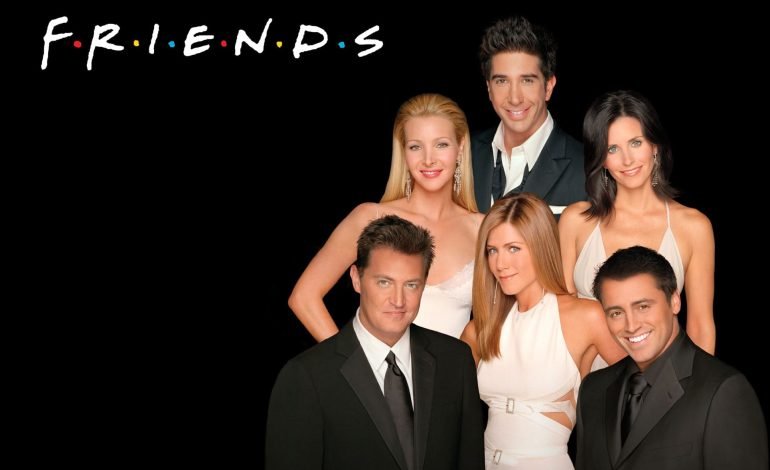
The tragic news of Matthew Perry’s final days, before the fatal overdose that led to his death, has sent shockwaves through the entertainment industry and beyond, revealing a deeply troubling chapter in the actor’s life. Perry, who was beloved worldwide for his portrayal of Chandler Bing on the iconic TV show “Friends,” spent his final days battling an addiction to ketamine, a surgical anesthetic that he had turned to in a desperate attempt to manage his depression.
Perry’s death on 28th October, at the age of 54, came after months of increasingly dangerous ketamine use, facilitated by a network of individuals who supplied him with the drug. According to unsealed federal court documents and an investigation by the medical examiner, Matthew Perry’s reliance on ketamine had spiralled out of control, leading to his untimely demise.
In September, Perry and his personal assistant, Kenneth Iwamasa, sought out additional sources of ketamine after his regular doctor limited his treatments. They connected with Dr. Salvador Plasencia, who agreed to procure the drug from a contact in San Diego. The subsequent transactions, conducted in secret and sometimes under alarming circumstances, highlighted the extent to which Perry had become dependent on ketamine.
Despite warnings and a few harrowing experiences where the actor’s blood pressure spiked dangerously after injections, the supply of ketamine continued unabated. The final days of Matthew Perry’s life were marked by a frenzy of ketamine injections, with Iwamasa administering the drug multiple times a day under Perry’s direction.
On the morning of his death, Perry received his last ketamine injection before heading out to play pickleball. By the afternoon, he was back at home, asking his assistant for one final dose. When Iwamasa returned from running errands later that day, he found Perry lifeless in the jacuzzi. The coroner’s report cited ketamine as the primary cause of death, with drowning as a secondary factor.
In the aftermath, several individuals involved in supplying Perry with ketamine have been arrested and charged. Iwamasa and Erik Fleming, who acted as an intermediary in obtaining the drug, have pleaded guilty and are cooperating with prosecutors. Plasencia and another supplier, Jasveen Sangha, have pleaded not guilty and are currently awaiting trial.
The final moments of Matthew Perry’s life reflected the complexities of his struggle with addiction, culminating in a tragic series of events that ultimately led to his untimely death.
Timeline of Matthew Perry’s Last Days
September 30
Perry and his assistant, Kenneth Iwamasa, met with Dr. Salvador Plasencia at Perry’s home. Perry, seeking relief from severe depression, was desperate for more ketamine than his regular doctor would provide. Dr. Plasencia arranged for additional supplies through a colleague in San Diego. In a text exchange between Plasencia and his contact, Dr. Mark Chavez, Plasencia cynically remarked, “I wonder how much this moron will pay,” indicating the exploitative nature of the transactions. That same day, Iwamasa handed over $4,500 in cash, and Perry received two injections of ketamine.
October 2
Iwamasa texted Plasencia, requesting not just injections but vials of ketamine to keep on hand. Referring to the drug as “Dr Pepper,” Iwamasa’s message reflected the growing dependency. The interaction was marked by Plasencia’s increasing willingness to supply the drug in bulk, highlighting a disturbing shift from therapeutic use to dangerous self-medication.
October 4
For the first time, Iwamasa injected Perry himself. “I found the sweet spot,” he texted Plasencia, referring to the injection site. However, the experimentation with different sites led to complications, and they quickly ran out of ketamine. Iwamasa’s growing involvement in administering the drug signals the deepening crisis.
October 10
Perry’s reliance on ketamine became more evident as he received an injection in a public parking lot in Long Beach. The casual and risky nature of the location underscored the lengths to which Perry was willing to go to sustain his ketamine use. Dr. Plasencia, eager to continue as Perry’s supplier, mentioned that he wanted to become Perry’s “go-to,” reflecting the transactional nature of their relationship.
October 13
Perry and Iwamasa expanded their network, seeking out Erik Fleming, an acquaintance who introduced them to Jasveen Sangha, known in certain circles as the ‘Ketamine Queen.’ Sangha, described as someone who dealt “with high end and celebs,” supplied Perry with 25 vials of unmarked ketamine. This moment marked a significant escalation in Perry’s drug use, moving from somewhat regulated use to more dangerous and unverified sources.
Around October 20
Perry received his last legal ketamine treatment from his regular physician, who noted that Perry’s depression seemed under control and that he no longer needed frequent treatments. However, a woman close to Perry, who spoke to investigators, believed he had been sober for 19 months and was unaware of his relapse. This moment reveals the tragic disconnect between Perry’s public appearance and his private struggles.
October 25
As Perry’s addiction intensified, Iwamasa reached out to Fleming again, requesting another 25 vials of ketamine. The urgency in Iwamasa’s request, coupled with the $6,000 cash payment from Perry, highlights the accelerating pace of Perry’s drug use. The supply chain had become more elaborate, with multiple intermediaries involved, making the situation increasingly dangerous.
October 26-27
In the days leading up to Perry’s death, Iwamasa administered multiple injections daily. By this point, Perry and Iwamasa had cut ties with Dr. Plasencia, relying instead on Sangha’s supply. The frequency of injections, at least six per day, indicated a critical dependency. Plasencia, sensing he was being sidelined, texted Iwamasa, saying he had more ketamine available, “I know you mentioned taking a break. I have been stocking up,” a clear indication of his readiness to continue exploiting Perry’s addiction.
October 28 (Morning)
On the morning of his death, Perry directed Iwamasa to inject him with a dose of ketamine. “Shoot me up with a big one,” Perry allegedly said, a heartbreaking indication of his desperation. This dose was one of several that day, as Perry continued his normal activities, even playing pickleball.
October 28 (Afternoon)
After another dose, Perry was found lifeless in his backyard jacuzzi by Iwamasa, who returned from running errands. The final moments of Matthew Perry’s life were marked by a tragic culmination of addiction and a reliance on those around him to supply his increasing needs. The coroner later confirmed that ketamine was the primary cause of death, with drowning as a secondary factor.
For more information and support related to mental health and substance use, you can visit the National Institute on Drug Abuse (NIDA) website for resources and research on drug addiction.