London Roadworks League Table Puts Westminster at the Top

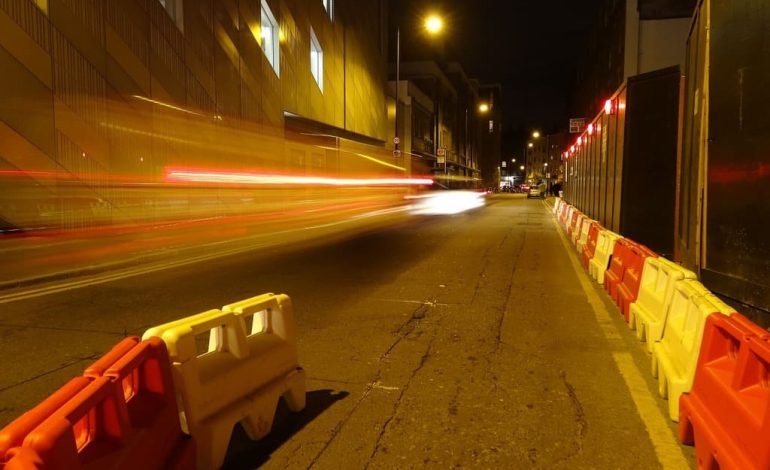
The latest figures from a new study have laid bare the scale of disruption caused by London roadworks in 2024, with Westminster, Southwark and the City of London topping the table. While drivers and businesses continue to navigate blocked streets, temporary lights and diverted buses, the numbers confirm what many Londoners already suspected – roadworks are everywhere.
Westminster City Council came in first, recording a staggering 18,123 roadworks last year alone. These ranged from resurfacing and kerb realignments to general surface repairs, making it the busiest borough for road maintenance and improvement. Southwark followed with 8,941, while the City of London, despite its size, logged 8,226, more roadworks per capita than anywhere else in Britain. With 6,111 works per 10,000 residents, the Square Mile sits in a league of its own when you consider population size.
The top five was rounded out by Ealing and Camden, recording 6,879 and 6,164 roadworks respectively. Brent wasn’t far behind with 5,968, followed by Merton (5,274), Kensington and Chelsea (4,783), Havering (4,469) and Hackney (3,861). Even boroughs that didn’t hit those heights still contributed to a year of traffic bottlenecks and detours across the capital.
| Rank | Borough | Total Roadworks | Per 10,000 Residents |
|---|---|---|---|
| 1 | Westminster | 18,123 | 857 |
| 2 | Southwark | 8,941 | n/a |
| 3 | City of London | 8,226 | 6,111 |
| 4 | Ealing | 6,879 | n/a |
| 5 | Camden | 6,164 | n/a |
| 6 | Brent | 5,968 | n/a |
| 7 | Merton | 5,274 | n/a |
| 8 | Kensington & Chelsea | 4,783 | n/a |
| 9 | Havering | 4,469 | n/a |
| 10 | Hackney | 3,861 | n/a |
| Lowest | Hounslow | 578 | 20 |
At the opposite end of the scale was Hounslow, with just 578 works reported, the lowest in London and only 20 per 10,000 residents. However, it’s worth noting that 13 boroughs, including the City of London itself, didn’t submit full figures, so the overall picture may be even more complex.
Much of the activity was driven by infrastructure upgrades, utility works, and safety schemes. Some projects are tied to new housing or environmental improvements, while others involve essential maintenance of ageing road systems. The result, though, is the same: increased congestion and local frustration. In 2024, the average London driver spent 101 hours sitting in traffic, according to figures from Inrix, with an estimated cost to the city of £3.85 billion.
Despite efforts to coordinate schedules, the visible effects on daily travel are hard to ignore. For comparison, Liverpool, outside London, saw 31,765 roadworks in 2024, making it the busiest city nationally. But Blackpool had the fewest, with just 41 recorded roadworks, or 3 per 10,000 people. Birmingham wasn’t far behind London’s worst boroughs, with over 10,000 road closures, and Edinburgh reported the longest delays, with each roadwork project averaging 80 days.
Closer to home, EyeOnLondon has also covered the growing tension around schemes such as low traffic neighbourhoods in Hammersmith and Fulham, showing that street-level planning continues to be a point of debate across boroughs.
Whether you’re commuting to work, running deliveries, or just popping to the shops, the data makes one thing clear: London roadworks 2024 have been a dominant feature of city life — and with further upgrades and resilience projects in the pipeline, they’re likely to remain so.
For more updates on infrastructure and how your borough is changing, visit EyeOnLondon. We’d love to hear your views in the comments.
Follow us on:



Subscribe to our YouTube channel for the latest videos and updates!

We value your thoughts! Share your feedback and help us make EyeOnLondon even better!