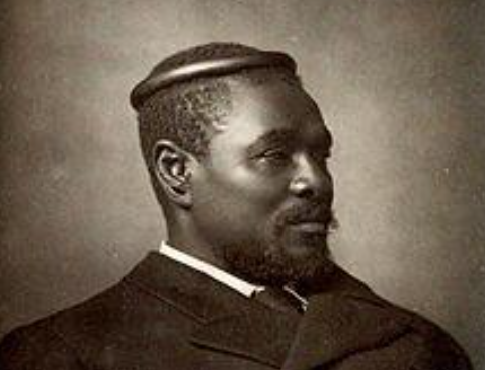
Frank Auerbach – A Life of Uncompromising Artistry: 29th April, 1931 – 11th November, 2024

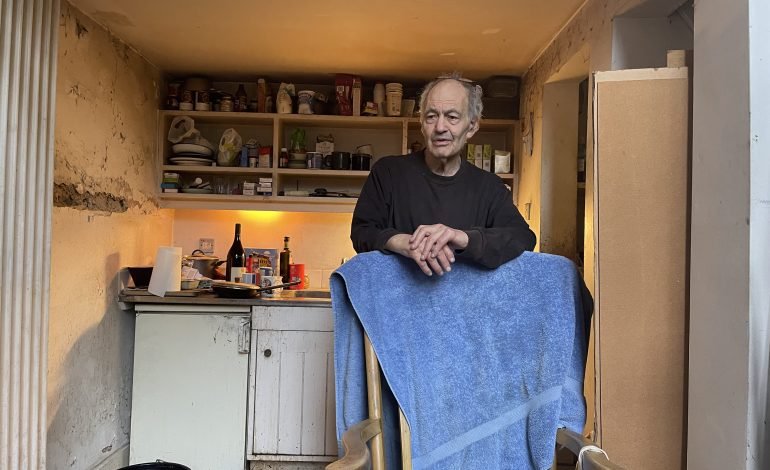
Frank Auerbach, one of the three or four most outstanding British artists of the 20th century, alongside Lucian Freud, David Hockney, and Francis Bacon, has died aged 93. His first solo show at the Beaux-Arts in 1956 was described by the critic David Sylvester as “the most exciting and impressive first one-man show by an English painter since Francis Bacon in 1949.”
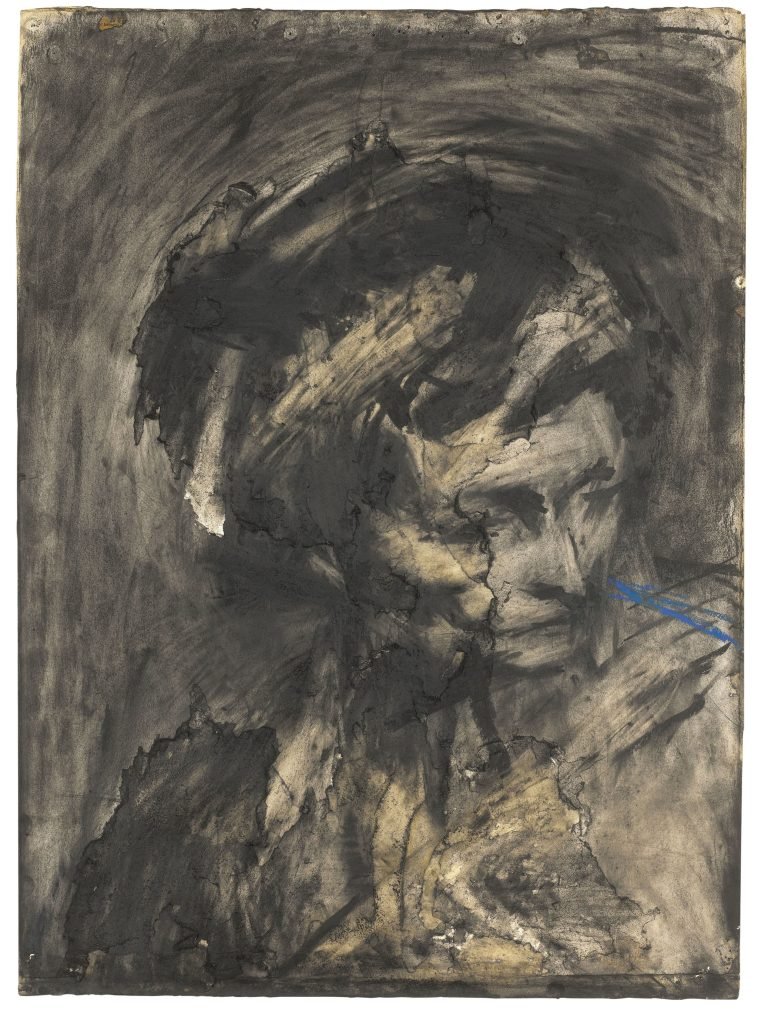
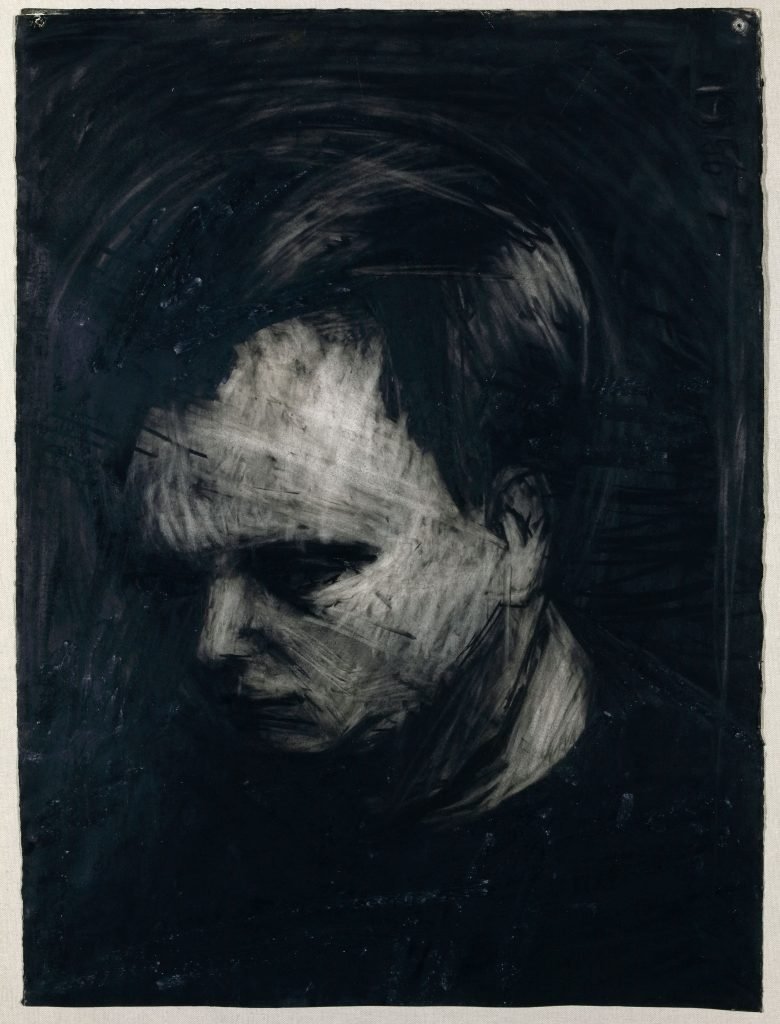
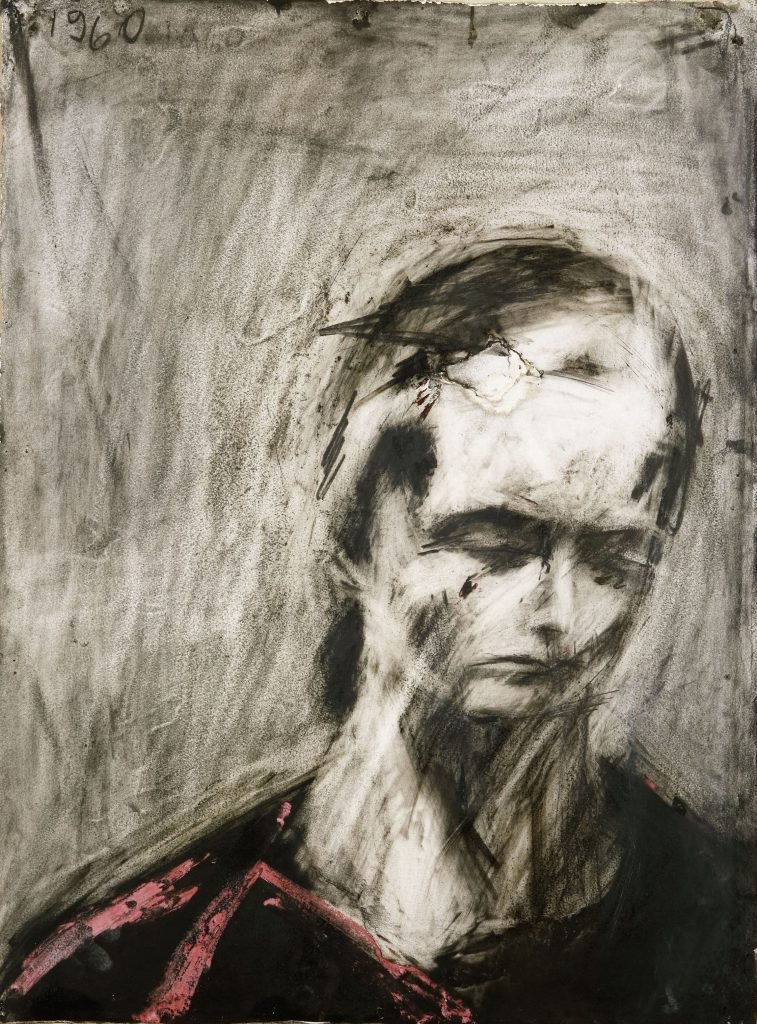
His technique varied little over his career, building his pictures in masses of impasto over years, sometimes decades, as he strove for the exact portrayal he sought. Often, the paintings were so built up that their frames resembled vitrines. Yet the process always began on paper, drawing frequently in charcoal and chalk. Whether he was piling on or paring down, his purpose was the same: to find the essence of his subject.
Although his entire career was spent in Britain, predominantly in Camden Town, Auerbach was born in Berlin in 1931. At the age of eight, he escaped Nazi Germany, his parents securing him a place on the Kindertransport that brought Jewish children to the UK. His parents perished in Auschwitz, and he never saw them again.
Auerbach was educated at Bunce Court, a progressive boarding school in Kent for Jewish refugee children, where his artistic talent emerged. Naturalised as British in 1947, he went on to study at St Martin’s and the Royal College of Art. Alongside his friend Leon Kossoff, he attended David Bomberg’s renowned evening classes at the Borough Polytechnic, which perhaps gave him the confidence to develop his distinctive approach.
With Sylvester’s support, Auerbach gained immediate notice as a “British Expressionist” during the fervour for the American abstract colourists championed by critic Clement Greenberg. However, that label misrepresented his work. Auerbach was not concerned with conveying emotional responses but spent his life examining his evolving relationships with objects, people—especially people—and scenes he returned to repeatedly (he worked in the same Mornington Crescent studio for 70 years).
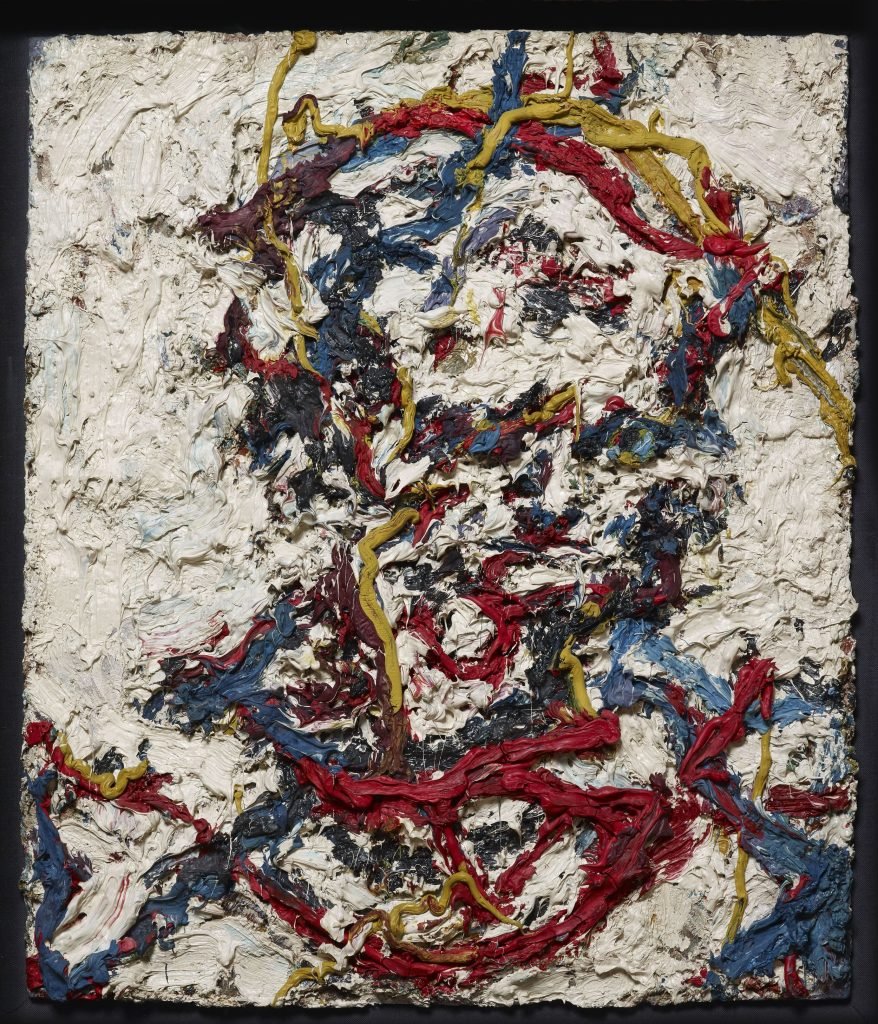
Auerbach was part of an extraordinary post-war flourish of British talent, often viewed through the lens of American artists like Pollock, Rothko, and Newman. Yet, Auerbach’s work was never abstract in the sense of internalised perception. His paintings were not mere expressions but evocations. The process, though often involving rapid application of paint and frequent scraping away, could be prolonged. His works demanded patience, rewarding viewers as forms emerged from what initially appeared to be a maelstrom of paint. That was his inimitable magic.
“I’m trying to find a new way to express something,” Auerbach once said. “So I rehearse all the other ways until I surprise myself with something I haven’t previously considered.”
Though his early years were challenging, and his paintings sold slowly at first, his reputation grew steadily. In 1978, while still in his forties, the Arts Council honoured him with a retrospective at the Hayward Gallery, curated by Catherine Lampert, who later became one of his regular sitters. In 1981, he featured prominently in the Royal Academy’s seminal exhibition A New Spirit in Painting, curated by Christos Joachimides, Norman Rosenthal, and Nicholas Serota. There, he stood alongside not only his British contemporaries—Bacon, R. B. Kitaj, and Freud—but also international figures like Frank Stella, Andy Warhol, Gerhard Richter, and Pablo Picasso.
Auerbach’s sitters came to Mornington Crescent for weekly sessions, sometimes over years. He often painted the same people repeatedly. One sitter likened the process to “going to the dentist.”
Related Articles by Simon Tait
He represented Britain at the 1986 Venice Biennale, sharing the Golden Lion prize with German artist Sigmar Polke. In 2015, Tate Britain held a major retrospective of his work, which Auerbach himself curated.
His final exhibition, Frank Auerbach: The Charcoal Heads, was staged earlier this year at the Courtauld Gallery. It revealed that his drawings were not always preparatory studies for paintings. These smaller works were pared down rather than built up, resembling collages with layers of paper, patches, and overlays forming new lines among the flourishes of chalk and charcoal.
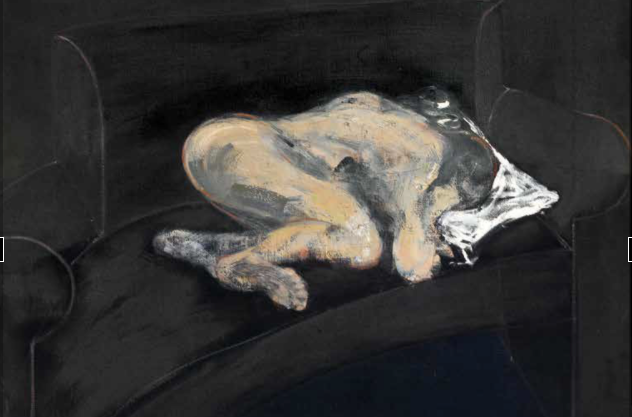
In his early years, Auerbach’s mistress Stella West sat for him in her Earl’s Court home, often posing on a bed while Auerbach knelt on the floor sketching. Later, his wife Julia Wolstenholme, whom he met at the RCA and married in 1958, became his muse for more than 40 years. They had one son, the filmmaker Jake Auerbach.
Paying tribute, Michael Craig-Martin told The Guardian: “Frank was a really great man as well as a great artist. He was a towering figure of integrity in the British art world. He was totally devoted to his work with no interest in fame or money. He was a person without affectations or pretensions, never holier-than-thou. Being an artist was his calling, and he didn’t let anything distract him from that path. I treasured that respect for the work.”