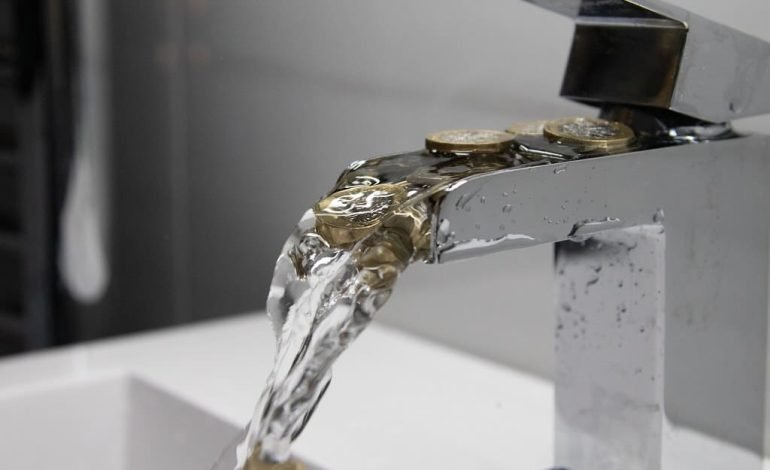
UK Water bills are set to rise more sharply than initially expected over the next five years to cover higher costs and fund essential infrastructure investments. The water regulator, Ofwat, is currently determining the extent of these increases, with a final decision due by the end of the year. In July, Ofwat had provisionally agreed to allow bills to increase by 21% above inflation between 2025 and 2030, but recent developments suggest the rise could be even steeper.
The impending rise is part of a broader overhaul of the water industry, which the government is expected to announce later this week. This overhaul, the largest since the privatisation of the sector in the late 1980s, is aimed at protecting customers from steep bill increases while addressing the significant funding needed to cope with population growth, climate change, and an ageing water infrastructure.
Different water companies are facing varied challenges, leading to a range of proposed increases. For example, Southern Water saw the highest approved rise of 44%, while Affinity Water had the lowest at 6%. Thames Water, the largest water company in the UK, has been granted permission to raise bills by 23%. However, Thames Water has warned it needs a 59% increase to stay afloat after shareholders withheld additional funding earlier this year, citing concerns over profitability at the current bill levels.
The reasons behind these higher-than-expected bill increases are complex. Rising financing costs are among the factors pushing Ofwat to reconsider the original 21% cap. A new independent commission is expected to be announced on Wednesday to help the government reset the industry. This commission, chaired by a high-profile figure, will bring together stakeholders, including customers, environmental bodies, investors, and engineers, to advise on how to improve performance and secure the necessary investments.
Public dissatisfaction with the water industry has been mounting, particularly in light of pollution incidents and sewage spills. Many customers are frustrated by the poor environmental performance of some water companies, while investors argue that the current bill levels do not provide enough revenue to address these issues. Some companies find themselves in a “doom loop,” where fines for environmental breaches leave them with even less money to resolve the underlying problems.
Investors have also been criticised for high executive pay and dividend payouts, despite ongoing issues such as leaks and pollution. The situation has led to widespread dissatisfaction, with many feeling that Ofwat has failed to strike the right balance between keeping customer bills low and encouraging investment in the industry.
While the new commission is widely welcomed as a positive step, its review will not be completed until after Ofwat’s final decision on the bill increases, leaving customers uncertain about the future of their water bills and the performance of the companies providing this essential service.
For more updates on water bill increases and infrastructure changes, visit EyeOnLondon for ongoing coverage and insights into how these developments may affect you.