Travis King to Plead Guilty After Desertion to North Korea

In a case that has gripped international attention, U.S. Army private Travis King is set to plead guilty to desertion and four other military charges after his dramatic flight across the heavily fortified border into North Korea last year. King, who became the first American to be detained in North Korea in nearly five years, is expected to take full responsibility for his actions during a hearing at Fort Bliss, Texas, later this month.
King’s lawyer, Franklin D. Rosenblatt, confirmed the planned guilty plea to The Associated Press, stating that his client intends to admit guilt to a total of five offenses under the Uniform Code of Military Justice. These charges include desertion and assaulting an officer, among others. In a legal arrangement, nine additional charges, including possession of sexual images of a child, will be dropped and dismissed as part of the plea deal. This agreement is likely to influence the severity of the sentence King might face, although the charge of desertion alone is a serious offense that could result in significant imprisonment.
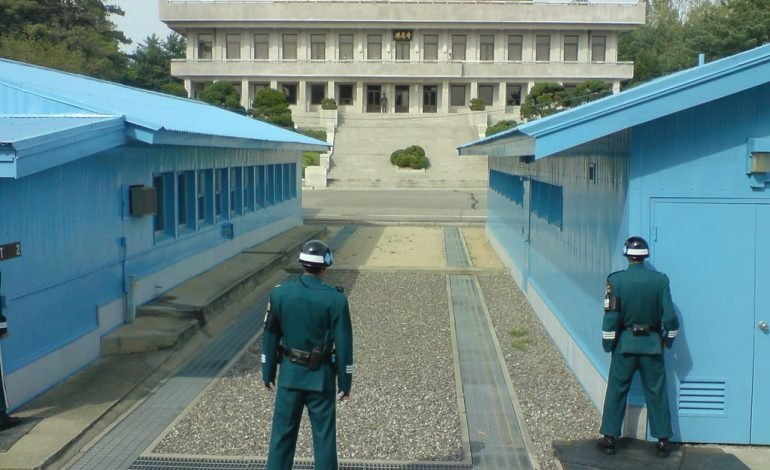
The case has been a complex and troubling saga from the start. In July 2023, shortly after being released from a South Korean prison where he had served nearly two months for assault, Travis King made the astonishing decision to flee across the border into North Korea. His escape came just as he was about to be returned to Fort Bliss, Texas, to face further disciplinary actions. Instead of boarding his scheduled flight home, King joined a civilian tour to Panmunjom, a village located within the Demilitarized Zone (DMZ) that separates North and South Korea. During the tour, he suddenly dashed across the border, which is usually heavily guarded and crowded with tourists.
North Korea detained King, leading to international speculation about his fate. However, in an unexpected turn of events, the North Korean government announced after two months that they would expel him. King was flown back to the United States on 28th September and has been in military custody ever since.
The U.S. military, acting swiftly after his return, charged King with a series of offenses. These charges not only include desertion but also allege a pattern of violent and unlawful behavior, such as assaulting fellow officers, unlawfully possessing alcohol, making false statements, and possessing a video of a child engaged in sexual activity. These incidents reportedly occurred on 10th July, the same day King was released from prison in South Korea.
Rosenblatt, King’s attorney, emphasized that his client is prepared to take full responsibility for his actions. “Travis wants to take responsibility for the things that he did,” Rosenblatt told the press, highlighting King’s intent to address the charges directly. He also expressed King’s gratitude towards those who supported him, despite the severe allegations against him. “Travis is grateful to his friends and family who have supported him, and to all outside his circle who did not pre-judge his case based on the initial allegations,” Rosenblatt added.
The forthcoming hearing on 20th September will provide Travis King with an opportunity to explain his actions and the reasons behind his unprecedented escape to North Korea. It remains to be seen what sentence he might face, but desertion is one of the most severe charges in the military justice system, often carrying a harsh penalty.
King’s case has raised numerous questions about the circumstances that led to his flight and the treatment he received while detained in North Korea. While many details remain unclear, his decision to plead guilty marks a significant development in a case that has captivated both the public and military communities alike.
As this story continues to unfold, it sheds light on the complexities of military justice and the consequences of actions that not only affect the individuals involved but also have broader implications on international relations.
“As King’s case draws international attention, it highlights the ongoing complexities at the Korean Demilitarized Zone, a region known for its heightened tensions and frequent diplomatic standoffs between North and South Korea.”