Tom Hayes, Libor and the City’s Unfinished Reckoning

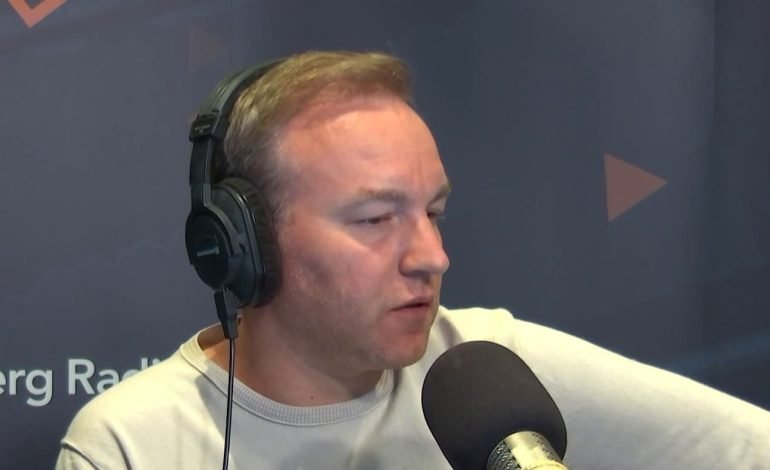
The Supreme Court has overturned Tom Hayes’ conviction over Libor rigging, in a move with deep implications for the City of London. Hayes, a former trader at UBS and Citigroup, had become the face of financial wrongdoing following the 2008 crash. His sentence, originally 14 years, was meant to signal zero tolerance for market manipulation. But now that the Tom Hayes Libor conviction is quashed, the ruling has sparked a reckoning not just over his case, but over how the City polices itself, and who ends up paying the price.
Hayes served five and a half years in prison after being prosecuted under rules that, the Supreme Court now says, didn’t clearly apply to what he did. Libor, the interbank lending rate he was accused of influencing, wasn’t regulated at the time. Instead, it was set by banks submitting estimated borrowing costs, often shaped by informal trader chats. If that sounds like a system built on vibes rather than verification, that’s because it was.
The ruling stops short of declaring Hayes innocent. But it dismantles the legal logic used to jail him and others, raising doubts over similar convictions, including that of Carlo Palombo at Barclays. The Serious Fraud Office has said it won’t re-try either man. Across the Atlantic, similar cases have already been struck down, underlining how fragile the foundations were.
What matters now is how the City responds. At stake isn’t just the reputation of one man, but of a financial ecosystem under increasing political pressure to deregulate. The UK government has promised to relax post-crash controls in order to boost growth, including reforms to the Senior Managers and Certification Regime. These rules were brought in to hold top executives accountable. Weakening them would create more room for risk and for the kind of oversight gaps that allowed Libor to thrive unchecked.
Governor of the Bank of England Andrew Bailey told MPs this month that any sweeping rollback could do more harm than good. As the City looks for ways to regain its competitive edge post-Brexit, his warning landed with force. It’s a reminder that robust regulation isn’t a brake on growth, it’s a guardrail. Without it, London risks a return to the kind of reputational damage that followed the 2008 crash.
For traders and banks, the Hayes case also exposes how quickly institutions can sacrifice individuals to protect brands. Few colleagues of Tom Hayes, or former superiors, faced consequences even though the culture that allowed Libor rigging was widespread. Research from Cass Business School has long highlighted how incentive structures in finance create blind spots, and sometimes, moral hazards.
Meanwhile, the Financial Conduct Authority is quietly working on plans to modernise benchmarks like Libor, which has now been phased out in most markets. however, the culture that made Libor manipulation possible hasn’t vanished. If anything, loosening controls now may give it space to resurface in new forms, perhaps in crypto or AI-driven finance.
The Hayes ruling doesn’t close the book but it reopens it. It asks whether past prosecutions were fair, whether current structures are fit for purpose, and whether deregulation is the answer or the next problem waiting to happen.
For the City, this is less about one man and more about the mood. Confidence, credibility, and clarity all hang in the balance. If London wants to remain a world leader in finance, it will need to show not just innovation, but integrity.
For more reporting on regulation, culture and risk in the City, follow EyeOnLondon City. We’d love to hear your views in the comments.
[Image Credit | Bloomberg via Yahoo]
Follow us on:



Subscribe to our YouTube channel for the latest videos and updates!

We value your thoughts! Share your feedback and help us make EyeOnLondon even better!