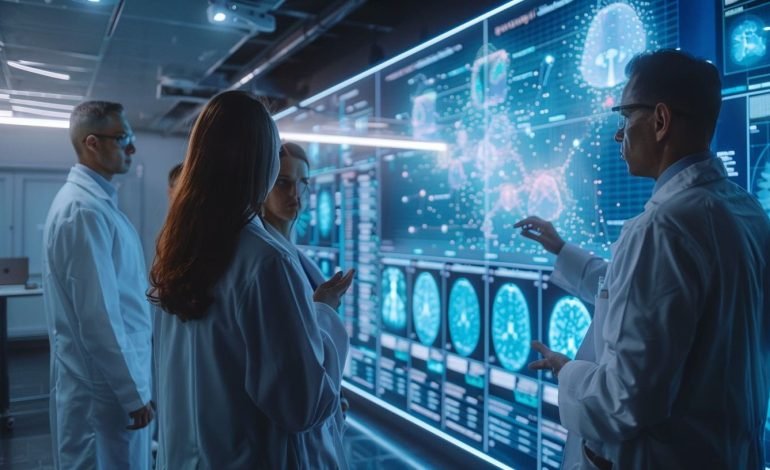
NHS AI breast cancer screening trial is set to recruit nearly 700,000 women across the UK, marking a major step in how artificial intelligence could transform early cancer detection. Starting in April, the £11 million trial—named the Early Detection using Information Technology in Health (Edith) trial—will test five different AI platforms at 30 sites to assess how effectively AI can speed up breast cancer diagnosis and reduce the pressure on radiologists.
Currently, the NHS requires two radiologists to review mammograms for accuracy, but with more than two million screenings conducted annually, this places a significant burden on staff. The hope is that AI will streamline the process, allowing a single specialist to review images with AI support, freeing radiologists to see more patients and helping to cut waiting times. This could be a game-changer at a time when the NHS is facing a 30% shortage of radiologists, according to the Royal College of Radiologists.
The Health Benefits of Tea
Explore how tea can boost your health, from improving heart function to reducing stress. Discover your perfect brew today.
Read moreAssisted Dying Laws Must Be Simple, Says Chief Medical Officer
The UK’s Chief Medical Officer calls for straightforward assisted dying laws. What does this mean for future healthcare policies?
Read moreCoffee in the Morning Better Than All-Day Drinking, Study Finds
A new study reveals why your morning coffee may be healthier than sipping caffeine throughout the day.
Read moreWomen aged between 50 and 71 who are already scheduled for routine NHS screenings will be invited to take part in the trial. These screenings involve X-rays, known as mammograms, to detect cancers that are too small to see or feel. The potential of NHS AI in this area is enormous, offering faster results while maintaining, or even improving, the accuracy of diagnoses.
Prof Lucy Chappell, chief scientific adviser at the Department of Health and Social Care, described the study as a “significant step forward” in cancer detection. Health Secretary Wes Streeting echoed this sentiment, stressing the need for “urgent action” to improve cancer survival rates in the UK, which currently lag behind many other countries. He promised a dedicated national cancer plan to “unleash Britain’s potential as a world leader in saving lives from this deadly disease.”
However, not everyone is convinced that AI alone will solve the challenges facing cancer care. Dr Katharine Halliday, president of the Royal College of Radiologists, highlighted that while AI offers “immense potential,” the NHS still faces a 30% shortage of radiologists—a challenge detailed further by the Royal College of Radiologists in their latest workforce reports. Halliday warned that the technology won’t immediately resolve the workforce shortages. “This study will take time to yield results. The need to build radiology capacity remains urgent,” she said.
Alongside the trial, the government has launched a call for evidence to help shape its national cancer plan, inviting patients, staff, and experts to share their insights on the Change NHS website. This move is part of a broader effort to involve the public in shaping the future of healthcare and ensuring that technological innovations like AI complement, rather than replace, human expertise.
For more updates on healthcare innovations and NHS developments, visit EyeOnLondon. We’d love to hear your thoughts in the comments below.
Follow us on:



Subscribe to our YouTube channel for the latest videos and updates!

We value your thoughts! Share your feedback and help us make EyeOnLondon even better!