Myanmar junta state of emergency ended ahead of contested December election

Myanmar’s military government has officially ended the state of emergency, clearing the way for a December election that many opposition groups are expected to boycott. The state of emergency was first declared in February 2021, when the military overthrew the government of Aung San Suu Kyi, triggering a prolonged conflict and worsening humanitarian crises. While the move marks a significant shift, it has also raised fresh concerns about how the upcoming election will be conducted under military control.
Opposition parties, including former lawmakers, have pledged to snub the poll, with a United Nations expert recently branding it “a fraud” engineered to maintain the junta’s grip on power. Junta spokesperson Zaw Min Tun stated that the emergency was lifted “in order for the country to hold elections on the path to a multiparty democracy,” though critics remain sceptical about how democratic the process will be.
Min Aung Hlaing, waiting in the wings to either assume or maintain the presidency or retain his role as head of the armed forces, told officials in Naypyidaw that the country had “passed the first chapter” and was ready to begin the next. Voter registration is underway and training for electronic voting machines has begun, though no precise election date has been set.
There are serious concerns over the integrity and inclusivity of the process. A recent census fell short of collecting data from 19 million of Myanmar’s population, citing “security constraints” – a strong reminder of the fragility of governance in the conflict zones. Around the country, analysts anticipate that rebel factions will launch offensives to undermine the elections, while the junta has announced prison sentences up to ten years for any speech or protest seen as distorting the vote.
One controversial measure in the lead-up to the elections is a new government initiative offering cash incentives for individuals to abandon armed resistance and “return to the legal fold.” Critics argue this is another tactic aimed at consolidating control rather than addressing the root causes of unrest.
This story offers insight into how fragile transitions can be manipulated and the challenges Myanmar faces in establishing credible governance. For further context on electoral rights under authoritarian regimes, you can explore fairness frameworks through this external resource on electoral integrity.
For more geopolitical analysis and updates, visit EyeOnLondon. We’d love to hear your thoughts – have your say in the comments below.
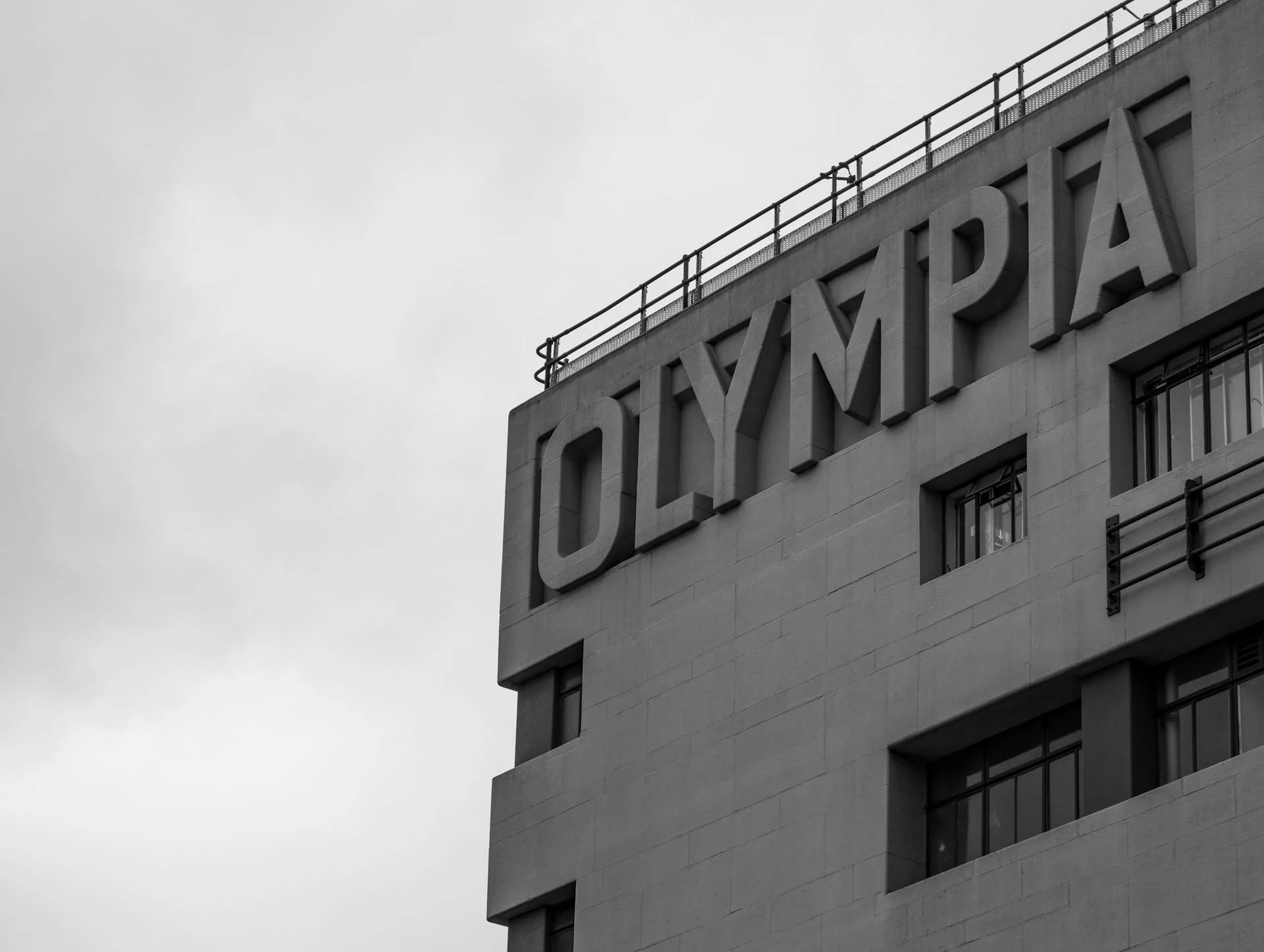
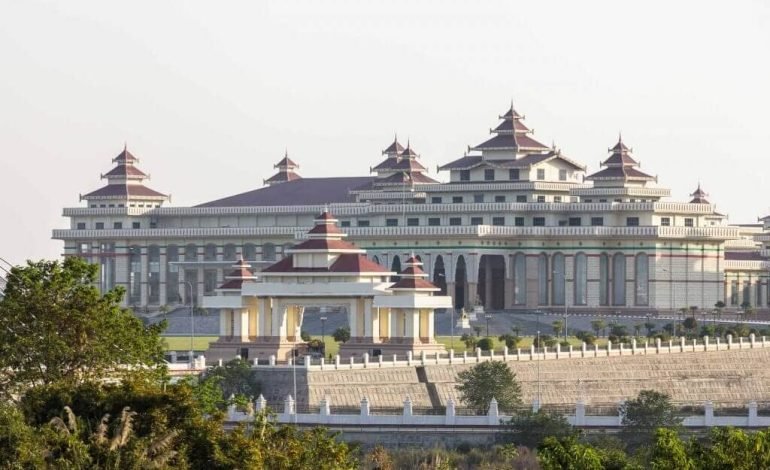
[Image Credit: Architectural Guide: Yangon]
Follow us on:



Subscribe to our YouTube channel for the latest videos and updates!

We value your thoughts! Share your feedback and help us make EyeOnLondon even better!