How the Latest UK Budget Will Impact Your Wages, Taxes, and Business

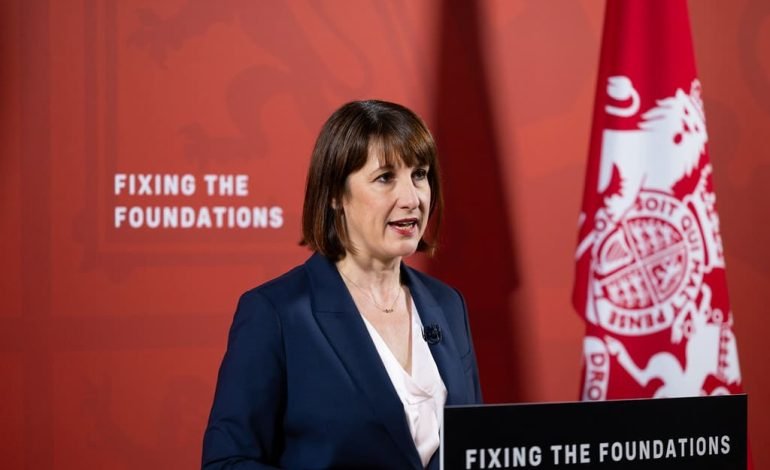
The Latest UK Budget presented by Chancellor Rachel Reeves has introduced a wave of changes with implications for individuals, households, and businesses across the UK. From tax adjustments and wage increases to new business burdens and pension reforms, these measures will affect both the income and expenses of people and companies alike. For UK small and medium-sized businesses (SMEs), it’s vital to understand how these changes will impact cash flow, payroll, and the tax burden, enabling you to prepare for the months ahead. Let’s explore the key takeaways from this Budget and what they mean for your financial planning, workforce, and future growth.
Higher Minimum Wages What It Means for Employers and Workers
Effective April 2024, the UK’s National Living Wage will increase for those aged 21 and over, moving from £11.44 to £12.21 per hour. The minimum wage for younger workers will also see notable rises. This is positive news for employees, especially as inflation has cut into purchasing power over recent years. But for business owners, the wage hike translates to higher operating costs. Many employers will need to assess how these changes affect their workforce budget and hiring decisions.
Related Articles
UK Autumn Budget: Bus Fares Set to Rise
For those who rely on minimum wage staff, such as the hospitality sector, consider how this additional payroll burden might impact pricing and profitability. Employers who operate in competitive markets may need to weigh options for reducing other expenses or slightly increasing prices to offset the higher wages. It’s also worth examining whether hiring flexibility can be maintained if wage costs rise significantly, as this might impact the growth plans for some businesses.
Latest UK Budget Sees Increased National Insurance Costs for Employers
Businesses will also face an increase in National Insurance (NI) contributions, with more employees falling under the eligibility threshold for NI. While employee NI rates remain the same, this change will increase the tax burden for businesses employing a larger workforce. Consequently, some firms may find their operating margins shrinking.
One option to manage this would be a more strategic approach to hiring and workforce management, potentially increasing part-time or freelance roles that reduce NI liabilities. Another approach could be investing in productivity-boosting tools or technology to optimise output per employee.
Transportation Costs The Rise of the Bus Fare Cap
From 2025, the national cap on single bus fares will increase from £2 to £3 on most routes in England. This could have implications for businesses that subsidise employee travel, especially if employees rely on public transport for their daily commute. Businesses may want to consider flexible working options if this impacts employee morale or productivity, particularly for lower-paid staff who will see a larger percentage of their income affected by this rise.
Key Tax Adjustments for Businesses and Individuals after the Latest UK Budget
This Budget has brought several major tax adjustments, particularly for inheritance tax (IHT), capital gains tax (CGT), and stamp duty. Each of these changes will directly impact business owners, property investors, and those looking to manage their wealth effectively.
- Inheritance Tax IHT While the threshold for IHT remains at £325,000, changes in pension inheritance rules from April 2027 mean that pension assets will now be considered part of an estate. For business owners and high-net-worth individuals, this change may require revisiting estate plans to maximise tax efficiency. Consulting with an estate planner can help optimise asset distribution to minimise the IHT impact.
- Capital Gains Tax CGT The Budget brings immediate changes to Capital Gains Tax, affecting how much tax you’ll pay when selling assets that have increased in value. For basic rate taxpayers, CGT rates will rise from 10% to 18%, while higher rate taxpayers will see an increase from 20% to 24%. These adjustments, now aligned with the rates for property, underscore the importance of careful financial planning. If you have assets that may be subject to CGT, consider consulting with a tax professional to understand how these changes could impact your future tax liabilities and financial planning strategy.
- Stamp Duty on Second Homes and Buy-to-Let Properties Stamp duty on second homes and investment properties is set to rise from 3% to 5%, which could have broader impacts on the rental market if landlords withdraw from buying new properties. For businesses in the property industry or those who lease additional properties, this increase in stamp duty may require recalibrating budgets or passing on costs to renters.
Pension Changes and State Benefits Adjustments to Watch
The state pension will increase by 4.1% in line with average earnings, which provides some relief for retirees facing rising living costs. The Budget also raises the earnings threshold for carers before they lose their allowance, from £151 to £195 per week. This small adjustment allows part-time carers to earn a bit more without losing benefits, which could incentivise some individuals to take up more part-time work.
Universal Credit is set to rise by 1.7% to keep up with inflation, providing some financial support to low-income workers. However, this increase may have minimal impact given the rising costs of goods and services. Business owners should be aware that changes to health and disability benefits are also on the horizon, which may affect staff who rely on these benefits for their household income.
Latest UK Budget sees Private School Fees Increase with New VAT Requirements
From January 2025, parents will face an additional 20% VAT on private school fees, as private education fees will no longer be exempt. For those business owners who send their children to private schools, this measure represents a significant cost increase that could affect household finances. It may also impact the business sector around private education, potentially slowing down enrolment or leading to cost-cutting measures within schools.
Potential Impact on Renters and Property Investors
The increase in stamp duty for buy-to-let properties may discourage new investors from entering the market, potentially squeezing the supply of rental homes. As a business owner, if you’re involved in the property sector, this change may impact buying decisions or push landlords to pass on increased costs to tenants, thus raising rents. For any staff who rent, this may also mean revisiting salary or housing support options to retain key employees who might otherwise face financial stress from rising rental costs.
Plan and Prepare for Budget Changes
This latest UK Budget has introduced measures that will likely raise operating costs, especially for small businesses. Adjustments in minimum wages, National Insurance contributions, and taxes on property investment and gains will directly impact business owners’ finances. Now is the time to re-evaluate budgets, review hiring policies, and consider strategic financial planning to navigate these changes smoothly, manage tax liabilities, and optimise cash flow.
For the latest insights on the latest UK budget, make sure to bookmark EyeOnLondon and follow us on our social media channels. Read about London’s news, culture, and events and join our growing community of readers.




[Image Credit: Zara Farrar / HM Treasury]