Israel Hezbollah Conflict Escalates Amid Ceasefire Negotiations


Israel launched a series of airstrikes across southern Lebanon early Sunday, targeting Hezbollah positions in what it described as a preemptive strike to thwart a potential large-scale rocket and missile attack. Hezbollah, the militant group with significant influence in Lebanon, responded by launching hundreds of rockets and drones, claiming it was in retaliation for the killing of one of its top commanders, Fouad Shukur, in an Israeli airstrike last month.
This intense exchange of fire, though alarming, has not escalated into the full-blown conflict that many have feared. The situation, however, remains extremely tense. In the midst of this, Egypt is hosting high-level talks aimed at brokering a ceasefire in the ongoing 10-month conflict between Israel and Hamas in Gaza. These diplomatic efforts are seen as crucial in preventing a broader regional conflict.
According to the Israeli military, their strikes were necessary to prevent Hezbollah from launching a major offensive against northern and central Israel. The subsequent barrage from Hezbollah included over 320 Katyusha rockets and a significant number of drones, with the group claiming to have targeted various Israeli military sites. While Israel reported minimal damage, the exchange resulted in the deaths of at least three people in southern Lebanon. Israeli Prime Minister Benjamin Netanyahu commended the military for neutralizing what he described as “thousands of rockets aimed at northern Israel,” reiterating Israel’s commitment to defending its territory.
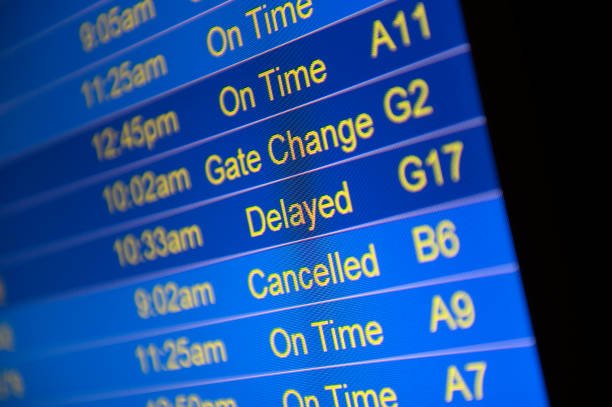
Air raid sirens blared across northern Israel, leading to a brief closure and diversion of flights at Ben-Gurion International Airport. The Israeli Home Front Command raised the alert level and urged citizens to stay near bomb shelters, reflecting the heightened state of tension.
Internationally, the United States expressed its support for Israel’s right to self-defense. President Joe Biden is reportedly closely monitoring the situation, with senior U.S. officials in constant communication with their Israeli counterparts. Meanwhile, U.S. Defense Secretary Lloyd Austin discussed Israel’s defense measures with his Israeli counterpart, highlighting the ongoing strategic partnership between the two nations.
The risk of an all-out war looms as diplomats from the U.S. and Europe work tirelessly to prevent further escalation. Hezbollah’s ongoing attacks on Israel, which began shortly after the Gaza conflict erupted in October, have intensified the situation. Both sides have thus far managed to avoid a large-scale war, but the potential for a devastating conflict remains high. Hezbollah, significantly more powerful than it was during its 2006 conflict with Israel, is believed to have an extensive arsenal that includes around 150,000 rockets, drones, and precision-guided munitions capable of reaching deep into Israeli territory.
Amidst these rising tensions, Egypt’s efforts to mediate a ceasefire in Gaza are critical. High-level talks in Cairo, involving officials from the U.S., Qatar, and Israel, are focusing on reaching a truce and securing the release of hostages held by Hamas. While Hamas is not directly participating in these negotiations, its delegation in Cairo is being briefed by Egyptian and Qatari mediators. The outcome of these talks could significantly influence the broader regional dynamics and either ease or exacerbate the current tensions.
For a deeper understanding of the Israel-Hezbollah conflict and its historical context, you can explore the Council on Foreign Relations’ overview of Hezbollah.