Iran protests enter third week as UK urges restraint and Tehran warns of wider conflict

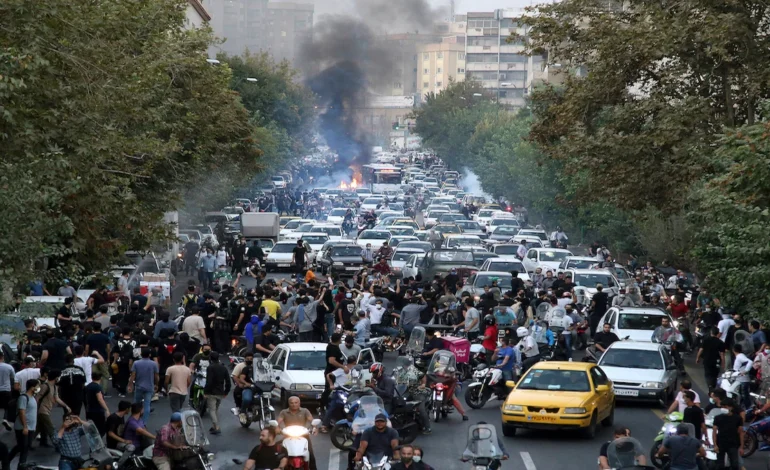
Crowds were again reported on the streets of Tehran and Mashhad over the weekend, despite severe restrictions on communications, as the Iran protests moved into a third week.
The demonstrations, sparked on 28th December by the collapse of the rial, have evolved into a broader challenge to Iran’s theocratic rule. With mobile networks restricted and access to the wider internet cut in many areas, estimates of deaths and arrests rely heavily on activist groups outside the country.
International — More from EyeOnLondon
Three recent reads to keep you on the story, not just the headline.
EyeOnLondon WhatsApp Edition
Prefer your news in a mobile-first format? Here is how to follow and read the latest edition on WhatsApp.
Open articleCartels in Mexico could be targeted by the US
What is being discussed in Washington, why it matters for Mexico, and the risks of escalation across borders.
Read the storyTrump’s board of peace and the Gaza ceasefire
A closer look at the proposal, the reaction it has drawn, and what it could mean for negotiations.
Read the storyOne US-based monitoring group said at least 116 people have been killed and more than 2,600 detained since the unrest began. Iranian officials have not offered a comprehensive figure, and the clampdown has made independent verification difficult.
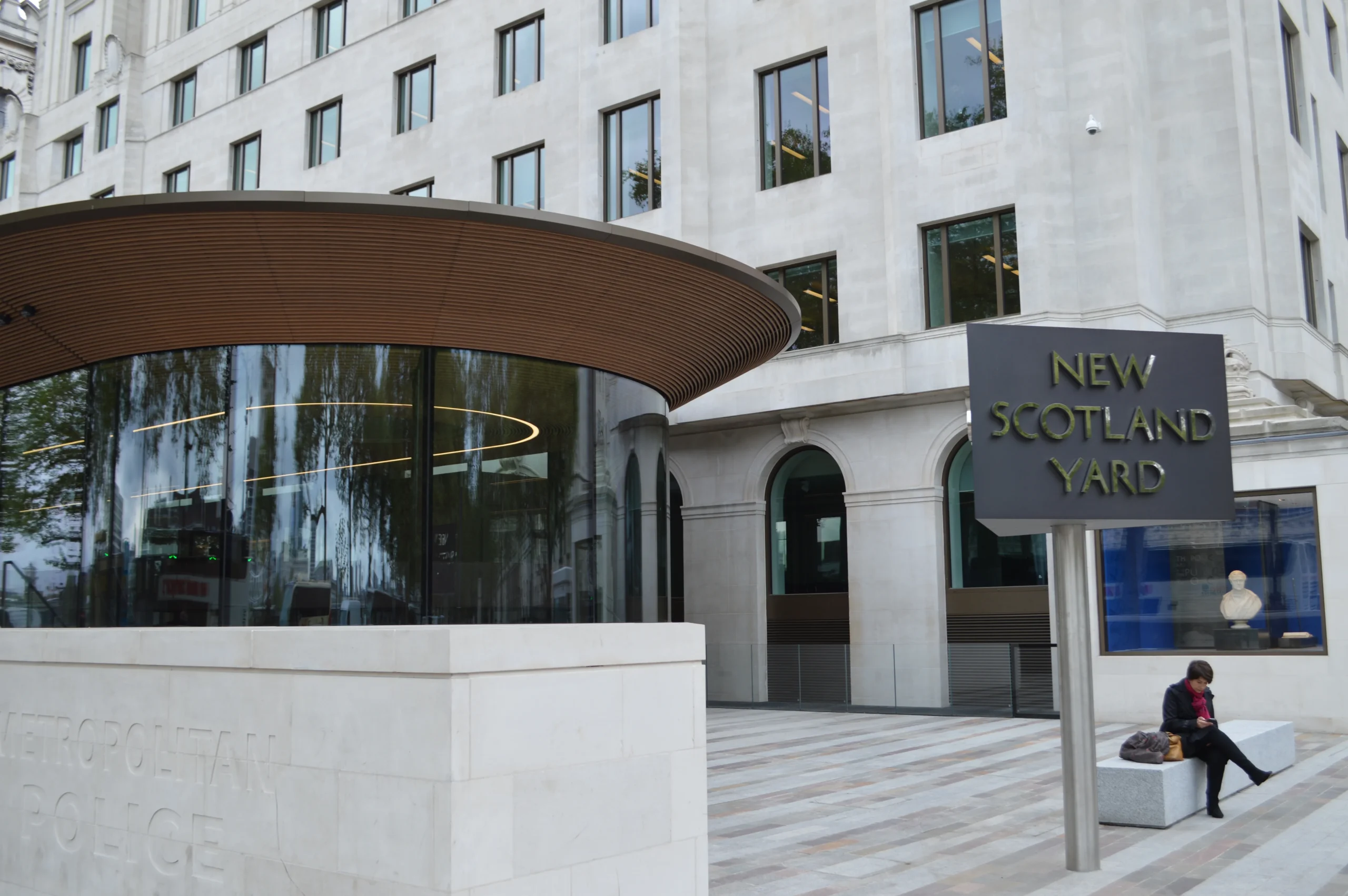
In Westminster, ministers have publicly urged restraint. The Foreign Secretary, Yvette Cooper, said the right to peaceful protest “should never come with the threat of violence or reprisals”. The Prime Minister, Sir Keir Starmer, has also called on Iran’s authorities to step back from further bloodshed.
Britain’s position has been sharpened by two practical concerns: a long-running focus on Iran’s human rights record, and the risk that British nationals could become bargaining chips when the regime feels threatened. In a recent statement to Parliament, the Government said it was “disturbed” by reports of violence against protesters and urged Iran to protect fundamental freedoms, including “access to information and communications”.
Parliament in Tehran raises the temperature
The most explicit warning of escalation came from Mohammad Bagher Qalibaf, the speaker of Iran’s parliament, who told lawmakers that if Iran is attacked, “all American military centres, bases and ships in the region will be our legitimate targets”.
As he spoke, state television broadcast MPs chanting “Death to America!” while some rushed towards the dais. Qalibaf also praised the Revolutionary Guard and the Basij volunteer militia for “standing firm” during the unrest, language likely to be read by protesters as a promise of harsher policing.
The rhetoric lands at a tense moment. The United States president, Donald Trump, has repeatedly framed the protests as a push for “FREEDOM”, and US media have reported that military options have been presented to him, though no decision has been announced.
Iran’s leadership, meanwhile, has signalled it is preparing for a tougher phase. The country’s attorney general, Mohammad Movahedi Azad, has warned that demonstrators could be treated as “enemies of God”, a charge that can carry the death penalty.
Streets of Tehran and Mashhad
Video fragments circulating online, some apparently transmitted via satellite equipment, show gatherings in Tehran’s northern neighbourhoods, with people holding up lit phones and banging metal. Other clips show slow-moving marches and car horns sounding in solidarity.
In Mashhad, Iran’s second-largest city and home to the Imam Reza shrine, footage has shown street confrontations and burning debris used to block roads. The symbolism matters: protests near religious sites have long been treated by the authorities as an attack on the state itself.
Iranian television has tried to counter the impression of crisis by sending reporters to selected streets to show calm scenes and date stamps. Notably, coverage has not consistently included the places where the heaviest unrest has been reported.
London
The crisis has not stayed confined to Iran. Over the weekend, protesters gathered outside Iran’s embassy in London, where one demonstrator climbed up to remove the state flag and briefly replace it with the pre-1979 lion-and-sun emblem used by opponents of the Islamic Republic.
For British-Iranians watching events unfold, the embassy protest was a blunt expression of anger, but it also underlined the wider fear: that an information blackout can provide cover for a crackdown that becomes harder to document and harder to deter.
For now, diplomats in London and European capitals are attempting to apply pressure without giving Tehran the propaganda it wants, namely the claim that the unrest is being orchestrated from abroad. The Government’s public line has focused on restraint, human rights, and the restoration of communications, while keeping an eye on the risk of a regional spiral involving the US and Israel.
What happens next may depend on whether protesters can keep momentum in the face of mass detentions and the loss of digital organising tools, and whether Iran’s leadership calculates that repression is safer than concession.
For more stories on London’s international links, diplomacy, and the global events that shape life in the UK, follow EyeOnLondon for informed and independent reporting. We’d like to hear your views in the comments.
[Image Credit | Penn University]
Follow us on:



Subscribe to our YouTube channel for the latest videos and updates!

We value your thoughts! Share your feedback and help us make EyeOnLondon even better!