Hurricane Milton Hits Florida: Damage, Disruption, and the Long Road to Recovery


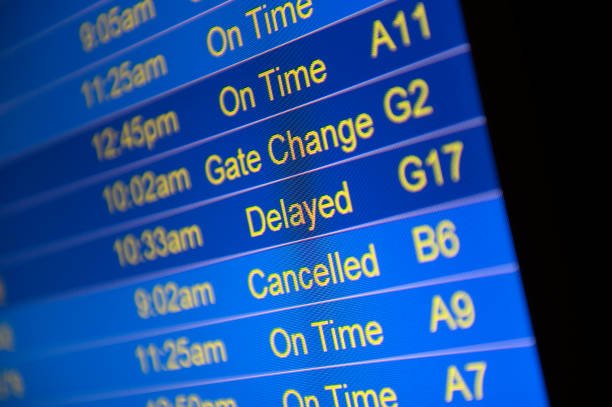
As Hurricane Milton devastates Florida, residents are left grappling with the storm’s impact. The Category 3 hurricane ripped through the state with a ferocity not seen in recent years, bringing powerful winds, torrential rains, and deadly tornadoes that left at least eight people dead. In the Tampa Bay region, floodwaters surged into homes and businesses, while winds strong enough to tear off roofs left many neighbourhoods unrecognisable. The storm, arriving just two weeks after the devastation of Hurricane Helene, has knocked out power for millions, forcing countless families into uncertainty.
Among those affected is Natasha Shannon, who returned to find her home’s roof torn off and her belongings exposed to the sky. “It ain’t much, but it was ours,” she shared with emotion. “What little bit we did have is gone. It’s gone.” Natasha urged her husband to leave before the worst of the storm hit—a decision she believes saved their lives. “Now, I don’t know what’s next. We’ve got nowhere else to go,” she said, reflecting on their situation with a mix of disbelief and sorrow.
The storm has also delivered a significant blow to Florida’s tourism industry, a major economic pillar. Popular attractions like Disney World and Universal Orlando temporarily closed, while other businesses are left assessing damage and beginning lengthy clean-up processes. Analysts expect a considerable dip in tourism revenue this quarter, with Hurricane Milton adding to the strain on an industry that’s still recovering from previous storms.
Related Articles
As Florida begins the recovery, the question of climate change looms larger than ever. Experts suggest that warmer ocean temperatures and rising sea levels, driven by global warming, may contribute to the increased intensity of storms like Hurricane Milton. According to meteorologists, climate change could be making hurricanes more severe and frequent, as seen in the rapid succession of powerful storms this season. With the Gulf’s warm waters fueling these storms, Florida’s coastal areas may be at higher risk than before.
Natasha, like many others, faces an uncertain future. As she looks at what remains of her home, she ponders what rebuilding will mean in a state that’s increasingly vulnerable to extreme weather. “It’s not just about putting a roof back on,” she said. “It’s about figuring out how we can make it here, with storms like this becoming the new normal.”
As Hurricane Milton devastates Florida, the state braces for a long road to recovery—not just in rebuilding homes and infrastructure, but also in adapting to the reality of more powerful storms. With climate experts warning that such events may only grow in frequency and strength, Florida must consider the steps needed to protect its residents, economy, and environment in the years ahead.
For further information on hurricanes and climate change, visit the National Oceanic and Atmospheric Administration (NOAA) website.
Looking for more in-depth coverage on weather events and climate impacts? Head over to EyeOnLondon for insightful stories, expert analysis, and the latest updates. Stay connected with us to see how these events are shaping our world.
Follow us on Facebook, Instagram, X, and LinkedIn for more updates!
Subscribe to our YouTube channel for the latest videos and updates!