Hammersmith Bridge reopens to pedestrians and cyclists after £2.9m overhaul

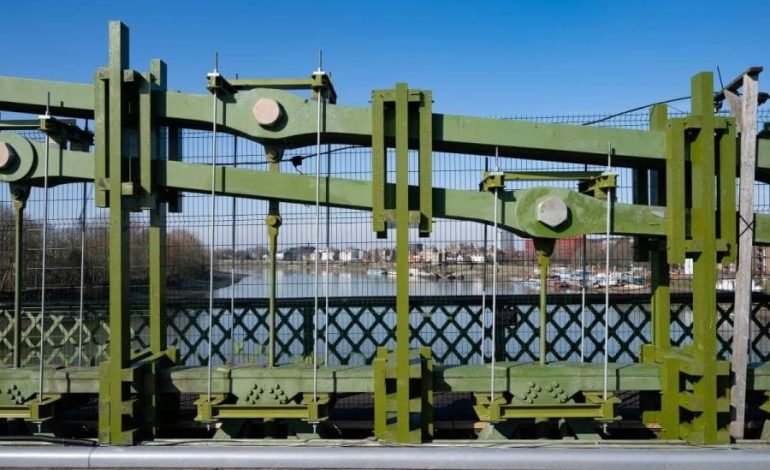
Hammersmith Bridge reopens its main carriageway officially to pedestrians and cyclists following a £2.9 million refurbishment aimed at improving safety and accessibility for thousands of daily users.
Three newly separated lanes now run across the deck: one for northbound cyclists, another for those heading south, and a wider central path reserved for two-way pedestrian use. The bridge’s outer footways remain open as before, but the addition of cycle-specific lanes is a first for the historic crossing.
The changes are part of a broader effort to make the Victorian-era suspension bridge fit for purpose while preserving its heritage. Engineers have replaced over 1,000 deteriorating deck panels, resurfaced the walkways, and installed anti-terror safety barriers designed to protect the structure and its users.
The work also marks a turning point for residents who’ve watched the Grade II*-listed bridge go through periods of closure and partial access since 2020, when structural concerns forced a complete shutdown. Hammersmith & Fulham Council has spent £48 million to date on keeping the bridge safe and gradually bringing it back into public use.
Accessibility improvements are a key focus of the latest phase. The new pedestrian path offers extra space, making it easier for wheelchair users and those with mobility needs to cross. E-cargo bikes are now being trialled to shuttle older and disabled residents, as well as families with small children, using the cycle lanes.
Specialist engineers also undertook a complex stabilisation process, reinforcing the bridge’s 19th-century cast-iron pedestals using fibre-reinforced concrete. The entire deck was jacked up to allow for replacement of seized Victorian bearings, now swapped for modern rubber ones to allow for natural movement due to temperature changes.
Despite the reopening, the bridge is still considered “sub-standard” and continues to be monitored closely. Work is ongoing to repair and reinforce the bridge’s 172 vertical hangers – the iron rods connecting the deck to its suspension chains. Temporary steel rods have been installed in the meantime to reduce pressure, and longer-term solutions are still under review.
The council is in discussions to decide the future of the bridge, including whether it might one day fully reopen to vehicles. For now, the focus remains on ensuring the safety and accessibility of everyone using it, particularly those crossing on foot, by bike, or on an e-scooter.
Want more updates like this? Keep an eye on EyeOnLondon Hammersmith & Fulham for the latest on how our areas changing, from bridges and bikes to local decisions that affect your street. Let us know what you think in the comments, we’re listening.
{Image Credit: LBHF]
Follow us on:



Subscribe to our YouTube channel for the latest videos and updates!

We value your thoughts! Share your feedback and help us make EyeOnLondon even better!