French Prime Minister Michel Barnier Resigns Following Historic No-Confidence Vote

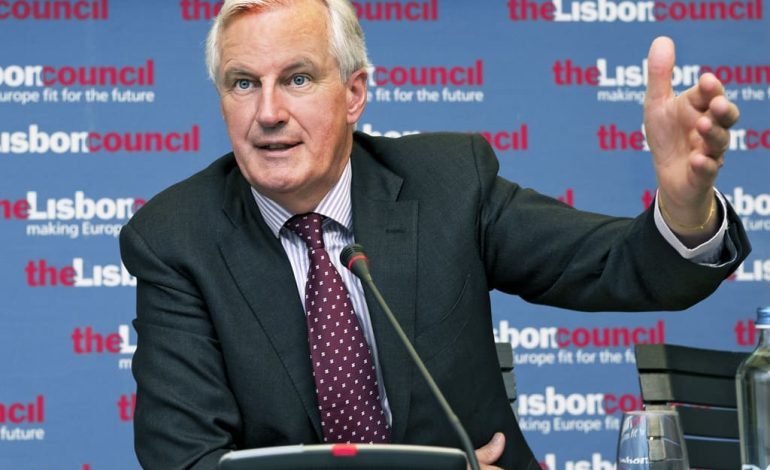
French Prime Minister Michel Barnier has announced his resignation following a decisive no-confidence vote in parliament, marking a historic moment in French politics. The motion against Barnier’s government was supported by 331 MPs, far exceeding the 288 needed to pass, and comes just three months after his appointment by President Emmanuel Macron. This is the first time in over six decades that a French government has been ousted in such a manner.
The no-confidence vote was triggered after Michel Barnier controversially used special constitutional powers to push through a budget without parliamentary approval. His proposal, which included a €60bn (£49bn) deficit reduction plan, was deemed “toxic for the French” by Marine Le Pen, leader of the far-right National Rally (RN). The left-wing New Popular Front (NFP), which holds the most seats in parliament, also strongly opposed the budget. Both political factions united to force Barnier’s departure, reflecting growing discontent with Macron’s centrist government. For a deeper understanding of how the French government operates, you can explore the official French government website.
Explore More World News Stories
Although Michel Barnier will remain as a caretaker prime minister until Macron selects a successor, the president now faces increased pressure from opposition groups calling for early presidential elections. However, Macron has firmly ruled out this possibility, asserting that his presidency is constitutionally unaffected by the prime minister’s resignation.
In a televised address scheduled for Thursday evening, Macron is expected to outline the path forward amid the ongoing political deadlock. The current parliament, where no group holds a working majority, will remain in place until at least July, prolonging the stalemate.
During the no-confidence debate, Michel Barnier defended his decisions, stating, “We have reached a moment of truth, of responsibility. We need to look at the realities of our debt.” He added that the tough measures in the budget were unavoidable. Despite his efforts to persuade lawmakers, opposition figures like Marine Le Pen and RN adviser Philippe Olivier criticised both Barnier and Macron, with Olivier describing the president as a “fallen republican monarch.”
The resignation not only halts Barnier’s controversial budget but also underscores the challenges Macron faces in navigating a fragmented political landscape. While Marine Le Pen has stopped short of calling for Macron’s resignation, many of her allies see this moment as an opportunity to weaken his presidency.
This political turbulence comes at a critical time for France as it grapples with financial pressures and growing discontent among voters. As the country awaits Macron’s decision on Barnier’s successor, the resignation highlights the fragility of a centrist government caught between competing extremes on both the left and right.
For more updates on European politics and the latest international news, visit EyeOnLondon.
Follow us on:



Subscribe to our YouTube channel for the latest videos and updates!

We value your thoughts! Share your feedback and help us make EyeOnLondon even better!