Could Edible Packaging Be the Future of Sustainable Living?

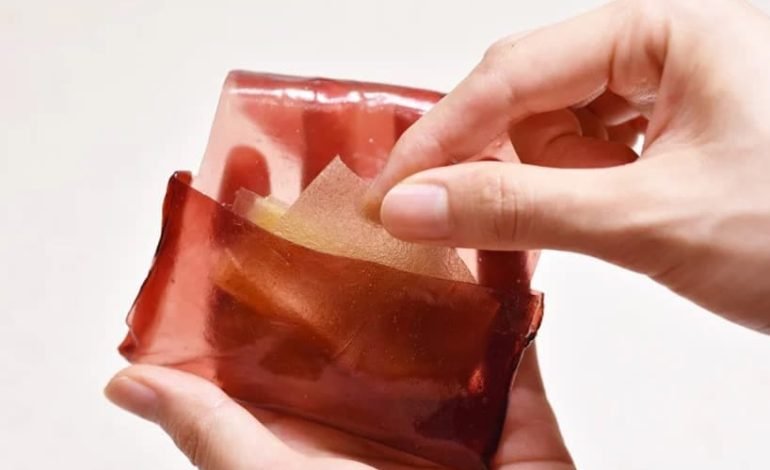
Plastic has dominated food packaging for decades, but with growing awareness of its environmental impact, the demand for sustainable alternatives is stronger than ever. One of the most promising solutions is edible packaging, a concept that is quickly gaining traction worldwide, including in the UK. With businesses, researchers, and start-ups investing in innovative, biodegradable packaging, the shift towards a more sustainable future is well underway.
The UK alone generates around 2.2 million tonnes of plastic packaging waste every year, with a significant portion ending up in landfills or polluting waterways. Edible packaging presents a viable alternative—designed to be eaten along with the food it protects or to biodegrade as efficiently as organic waste. Typically made from natural materials such as seaweed, starch, and fruit-based compounds, this innovation has the potential to drastically reduce plastic dependency and combat waste.
Sustainability & Environment News
Tidal Power: The Future of UK Clean Energy Innovation
As the UK continues to seek sustainable energy solutions, tidal power emerges as a viable option to reduce carbon emissions and harness natural resources.
Scientists Uncover New Insights into the Irish Potato Famine Pathogen
Groundbreaking research sheds light on the origins of the deadly pathogen responsible for the Irish Potato Famine, offering lessons for modern agriculture.
Giant Iceberg Near South Georgia: What It Means for Climate Science
A massive iceberg drifting towards South Georgia is raising concerns among scientists about its impact on marine ecosystems and global climate patterns.
Edible Packaging in Action
In the UK, several companies are already leading the way. Notpla, a London-based start-up, has developed seaweed-based packaging that is entirely biodegradable and, in some cases, edible. Their most well-known product, Ooho, replaces single-use plastic water bottles with small, edible pods that were famously used at the London Marathon to reduce plastic waste. The company has also introduced seaweed-coated food containers as an alternative to plastic takeaway boxes.
Another London-based initiative is Skipping Rocks Lab, which focuses on developing edible and biodegradable alternatives for single-use plastics. Their materials, derived from plants and algae, are designed to decompose naturally within weeks, eliminating the need for conventional waste disposal.
Further supporting this movement, UK retailer Waitrose has trialled edible coffee cups, while start-ups like Gousto have experimented with dissolvable food pouches to replace plastic wrapping. These innovations highlight a growing trend towards practical, eco-friendly solutions that are in keeping with consumer demand for sustainability.
The Rise of Edible Packaging Globally
The edible packaging market is rapidly expanding. In 2016, the global market was valued at £550 million, and it is expected to exceed £860 million by 2023. This surge in demand is being driven by environmental concerns and increasing pressure on businesses to adopt greener alternatives. Governments worldwide are encouraging industries to cut down on plastic waste, and with regulations tightening, edible packaging presents a significant opportunity for businesses to stay ahead of the curve.
A wide variety of edible packaging solutions are being developed, including:
- Edible straws made from fruit fibres, pasta, or sugar
- Biodegradable eco-bags that dissolve in water
- Edible spoons and cutlery made from wheat, rice, and sorghum
- Seaweed-based bottles as an alternative to plastic water bottles
These innovations are not just eco-friendly—they are practical. Edible packaging reduces reliance on plastic, lowers waste disposal costs, and aligns with consumer expectations for sustainable choices.
Why the UK Should Embrace Edible Packaging
The UK has already introduced plastic bans on straws, stirrers, and cotton buds, and there is growing pressure on businesses to reduce plastic packaging. Supermarkets, fast-food chains, and retailers are being encouraged to eliminate single-use plastics, making edible packaging an attractive and necessary solution.
Research shows that 74% of UK consumers prefer to buy from businesses that use sustainable packaging, and 60% are actively avoiding plastic packaging when possible. This shift in consumer behaviour indicates that brands investing in edible and biodegradable alternatives are likely to see greater customer loyalty and support.
Additionally, the UK’s food industry is a major contributor to plastic waste, particularly in takeaway and fast-food sectors. With millions of food containers, wrappers, and cutlery discarded daily, adopting edible packaging solutions could dramatically reduce the country’s environmental footprint while maintaining the convenience consumers expect.
The Future of Edible Packaging in the UK
Although edible packaging is still in its early stages, the potential is enormous. London is already home to some of the most exciting sustainable packaging innovations, and with increasing investment and consumer interest, we can expect to see these solutions rolled out on a larger scale. As technology advances, costs will decrease, making edible packaging a viable mainstream option.
In the coming years, more UK retailers and food businesses are expected to integrate edible packaging into their supply chains, further reducing reliance on plastic. Government incentives and regulations will likely play a role in accelerating this shift, ensuring that businesses prioritise environmentally responsible alternatives.
A Sustainable Future
Edible packaging is more than just a trend—it is a necessary step towards a greener, more sustainable future. As UK companies continue to develop innovative solutions and consumers demand change, this emerging industry has the potential to revolutionise the way we package food.
One of the leading innovators in sustainable packaging, Notpla, has developed seaweed-based alternatives that are already being used in major events and food services—learn more about their initiatives on their official website here.
What do you think about edible packaging? Would you try it? Share your thoughts in the comments below! Stay informed about London’s sustainability efforts by following EyeOnLondon.
[Image Credit: Wen Wen Fan]
Follow us on:



Subscribe to our YouTube channel for the latest videos and updates!

We value your thoughts! Share your feedback and help us make EyeOnLondon even better!