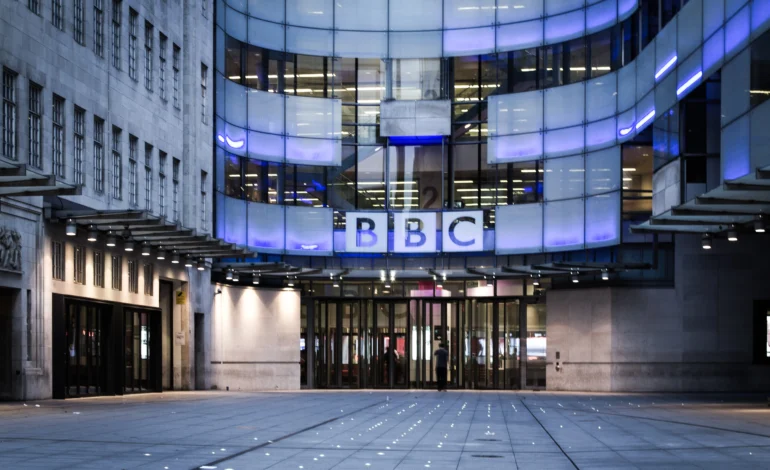
The BBC has warned that the television licence fee system faces a potential “tipping point” unless it is overhauled to reflect how audiences now consume media.
In a formal response to discussions with government over the future of the broadcaster, the corporation said a growing gap had emerged between the number of people using its services and the number contributing to the licence fee that funds them.
More reporting from EyeOnLondon
Policy, science and global developments shaping London’s wider world.
The BBC said 94% of people in the UK still use its content each month, but fewer than 80% of households now pay the licence fee.
According to the broadcaster, rapid changes in viewing habits driven by streaming services and online platforms have created confusion around when a licence is required. The existing rules are largely based on watching live television, while a growing share of audiences now consume programmes on demand.
The corporation said this had created “a mismatch” between the legal framework governing the licence fee and the way people watch television today.
“The BBC has gone from being a service almost every household paid for and used to one that almost every household uses but millions do not pay for,” the broadcaster said in its submission.
The organisation warned that if the gap between usage and payment continues to widen, resentment could grow among those who continue to pay the fee while others access the same content without contributing.
It suggested that a revised system could allow the licence fee to become more progressive for some groups if reforms ensured that more viewers contributed to the cost of the service.
The BBC also raised the possibility that digital platforms could play a greater role in reminding viewers when a licence is required. Audiences watching live television through platforms such as YouTube or other streaming services still need a licence, but the broadcaster said this was not widely understood.
The debate forms part of negotiations over the next Royal Charter settlement, which will determine the future structure and funding model of the public broadcaster.
The corporation’s submission argued that maintaining the current system would lead to a gradual erosion of funding.
“The BBC agrees with the government that a more sustainable funding model is needed,” the document said. “The current model cannot maintain the BBC’s public service mission for the future.”
Among the proposals outlined was the possibility of opening the BBC’s iPlayer platform to other public service broadcasters such as ITV and Channel 4.
Under the idea, iPlayer could host content from other UK broadcasters while continuing to keep BBC public service programming free from advertising.
The broadcaster argued that a combined British streaming destination could help maintain a strong domestic platform in a global media market increasingly dominated by international streaming companies.
The document also suggested that BBC iPlayer and BBC Sounds could be opened more widely to third-party creators and UK media organisations.
Negotiations between the BBC and ministers are expected to continue before the government publishes more detailed proposals on the future of the licence fee later this year.
Stay connected with EyeOnLondon for thoughtful journalism on London, culture and global affairs.
Follow us on:



Subscribe to our YouTube channel for the latest videos and updates!

We value your thoughts! Share your feedback and help us make EyeOnLondon even better!