Hugh Grant’s Dark New Role Marks Shift from Romcoms to Horror


For British audiences, Hugh Grant is often remembered as the quintessential Englishman with the floppy fringe, made famous in romantic comedies like Four Weddings and a Funeral and Notting Hill. But Grant’s latest film, Heretic, presents him in a radically different light, swapping his boyish charm for the sinister presence of a horror villain. This career move reflects the actor’s ongoing transformation as he embraces roles that defy the expectations of his earlier years.
A Bold Career Shift for Hugh Grant
In Heretic, Grant portrays Mr. Reed, a character whose disturbing and dark nature is a far cry from his romcom days. This shift into villainy isn’t completely new for Grant, as he’s been gradually exploring edgier roles in films like Paddington 2 and Dungeons & Dragons. However, his role in Heretic reaches new depths of malevolence, indicating a clear departure from his romantic lead archetype.
Reflecting on his recent career choices, Grant described this era as his “freak-show period,” embracing the more twisted, complex characters. Fans of A Very English Scandal, where he played the notorious politician Jeremy Thorpe, have seen glimpses of this change, but Heretic takes it to another level.
From Romcom Darling to Anti-Hero
Grant first made a name for himself in 1994 with Four Weddings and a Funeral, where his endearing, self-deprecating character catapulted him to international stardom. The role cemented his image as a romantic lead, and for years, he continued to play variations of that charming, slightly awkward Englishman.
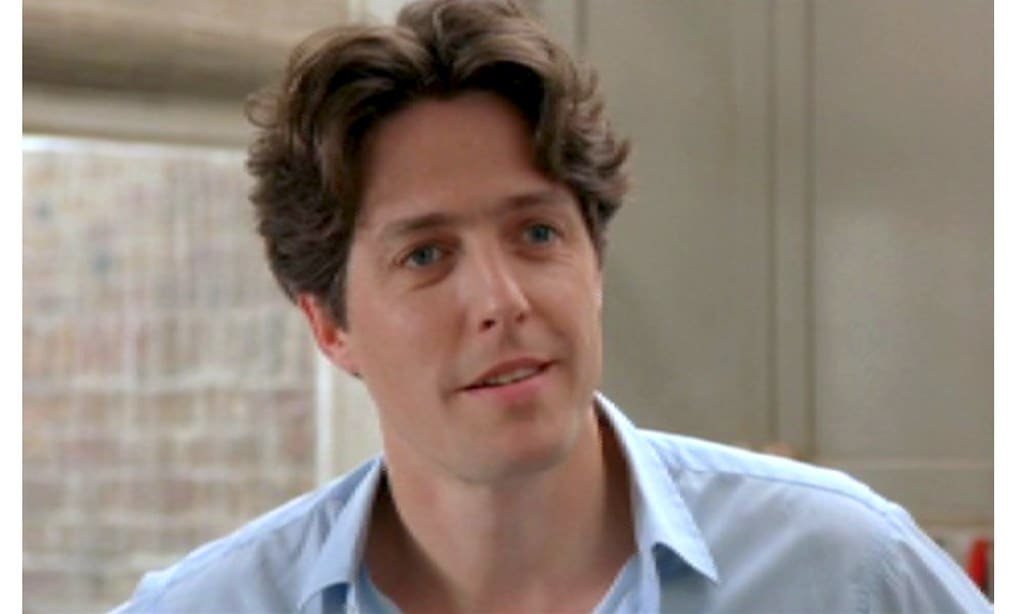
But over time, Grant grew restless with the typecasting. While his appearances in Bridget Jones’s Diary Notting Hill, and Love Actually only reinforced his romantic image, his foray into more complex, morally ambiguous characters began to hint at a deeper, darker acting ability.
A Public Persona That’s Hard to Pin Down
Outside of film, Grant’s life has had its share of public ups and downs. In 1995, a well-publicised scandal involving sex worker Divine Brown briefly shook his wholesome image, but his quick wit and charm during TV interviews helped him bounce back. His relationship with actress Elizabeth Hurley also kept him in the public eye, further establishing him as a media favourite.
However, Grant’s views on fame have changed significantly. His involvement with Hacked Off, an organisation advocating for press regulation, stemmed from his battles with invasive media practices, including phone hacking by the News of the World. The shift from reluctant heartthrob to activist added depth to his public image, showcasing a newfound steeliness.
Embracing the Dark Side
Grant’s portrayal of Mr. Reed in Heretic exemplifies his embrace of complex, flawed characters. Describing this phase of his career as his “freak-show period,” he’s openly leaned into roles that reveal darker facets of human nature. The actor has admitted that these roles resonate with him, perhaps because they allow him to explore different parts of his own personality.
According to Grant, “The boyish charm was something people loved, but it wasn’t all there was to me.” Indeed, his evolution has been a fascinating one, reflecting not only his acting versatility but also his ability to reinvent himself in an industry that rarely allows for it.
For fans and critics alike, Heretic represents a significant milestone in Grant’s career. Not only does it showcase his versatility, but it also demonstrates his willingness to challenge himself, moving from his comfort zone into new and uncharted territory.
For more on Heretic and Hugh Grant’s career, be sure to visit EyeOnLondon for updates and in-depth reviews.