Barbican Renewal Programme approved to restore London arts landmark

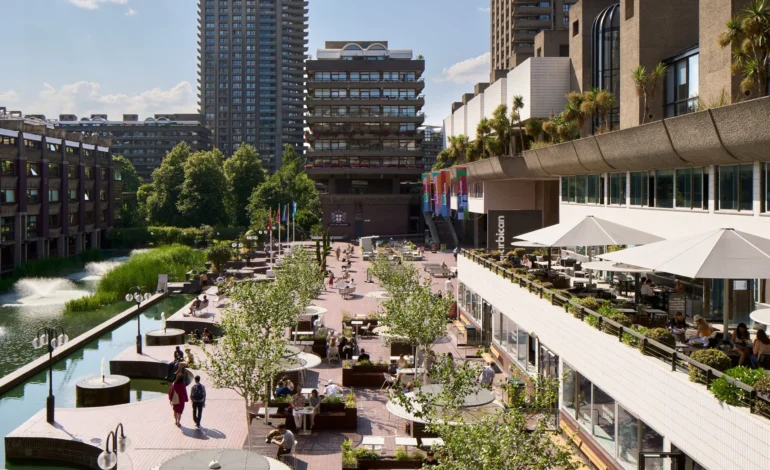
The City of London Corporation has approved planning permission for the Barbican Renewal Programme, securing the long-term future of the capital’s largest multi-arts centre and one of the world’s most significant examples of Brutalist architecture.
The decision allows work to proceed on a major programme to restore and modernise the Barbican Centre while preserving the character of the Grade II-listed complex. The scheme focuses on improving access, sustainability and the way public spaces are used across the site without increasing the building’s overall footprint.
More reporting from EyeOnLondon
Policy, science and global developments shaping London’s wider world.
Design work for the project has been led by the architecture practice Allies and Morrison in collaboration with engineers and landscape specialists. City planning officers worked with the Barbican Renewal team to develop what has been described as a conservation-led approach that balances heritage protection with modernisation.
One of the most significant elements of the programme will be the restoration of the Barbican Conservatory. The project will address long-standing maintenance challenges and introduce a climate-controlled environment designed to support plant health and longevity. The Conservatory will also be redesigned to improve public access, including a new lift and stair providing entry to its raised balconies.
The renewal programme also proposes the most extensive accessibility improvements in the centre’s history. New lifts will improve step-free access to key venues including the Concert Hall and Theatre, while other changes will enhance movement through the Barbican’s foyers and public spaces.
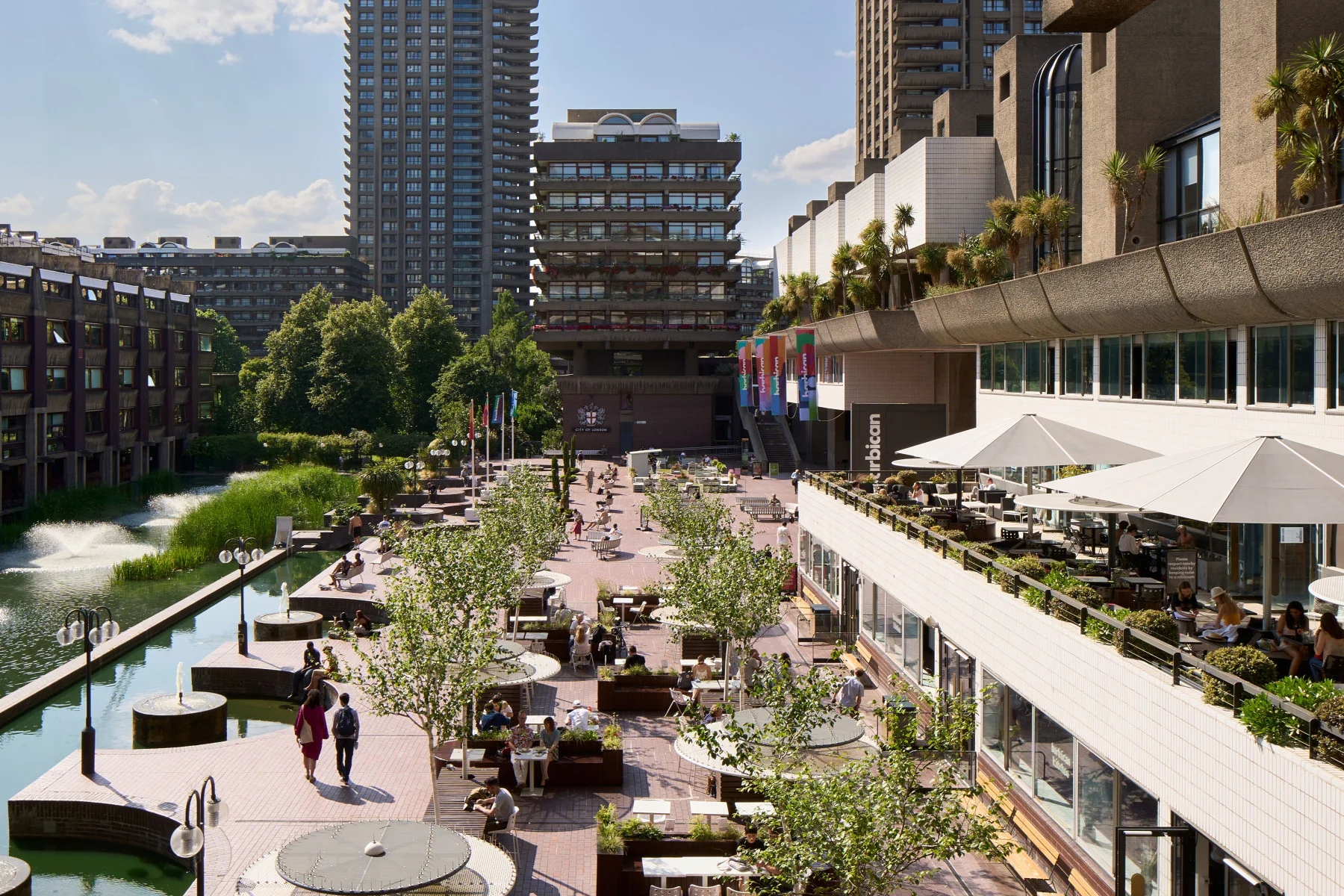
A sustainable retrofit approach will guide the renewal of the building’s distinctive Brutalist terraces and lakeside areas. Materials including Conservatory glass and paving will be reused as part of a wider effort to reduce environmental impact while maintaining the original architectural design.
The programme aims to create greater flexibility within the Barbican’s public spaces, allowing more diverse programming and expanding opportunities for artistic and community activity.
Opened in 1982 by Elizabeth II, who described the complex as “one of the wonders of the modern world”, the Barbican now attracts more than one million visitors each year.
City leaders say the renewal will help prepare the centre for its 50th anniversary while ensuring the venue remains accessible and relevant to future audiences. Planned upgrades include a new multi-faith room, improved wayfinding and expanded facilities for visitors.
The City Corporation has committed £191 million towards the £231 million required for the first phase of the project. Additional philanthropic and partnership funding will be sought to support the wider ambitions of the programme.
The renewal forms part of the City’s broader cultural development strategy, which also includes plans for a new museum at West Smithfield and other civic projects across the Square Mile.
Major construction work is expected to begin in 2027. The Barbican Centre will pause most of its activities between 2028 and 2029 to allow the most intensive stage of the works to be carried out.
During that period some activity will continue, including programming with resident partners such as the London Symphony Orchestra and the Royal Shakespeare Company.
For more reporting on London and the decisions shaping the wider world, follow EyeOnLondon.
[Image Credit | City of London Corporation]
Follow us on:



Subscribe to our YouTube channel for the latest videos and updates!

We value your thoughts! Share your feedback and help us make EyeOnLondon even better!